
Resources
What you are looking for
probably has a name.
Everything here is grounded in peer-reviewed research and written in plain English. Filter by what you are dealing with, or browse everything.

Understanding Depression
Depression is more than feeling sad or having a bad week. It is a condition that affects mood, thinking, motivation, and energy. This guide explains what depression actually is, why it happens, and what can help.
Understanding Anxiety
Anxiety can feel overwhelming and difficult to control. This guide explains what anxiety actually is, why it happens, and what tends to help.

Understanding Burnout
Burnout is more than feeling tired after a difficult week. It is a pattern of exhaustion, detachment, and reduced effectiveness that develops when work stress continues for too long without enough support or recovery.

Understanding Grief
Grief is the natural response to loss, but it rarely follows a clear path. This guide explains what grief actually is, why it can feel overwhelming, and how people gradually adapt after loss.

Practical Tools for Difficult Moments
When stress, anxiety, or overwhelm suddenly spike, it can be hard to think clearly. This guide explains practical tools that can help calm the body and mind in difficult moments.
Understanding Sleep Problems
Sleep problems are common and often linked to stress, anxiety, and mental health. This guide explains why sleep becomes disrupted and what tends to help restore healthy sleep.
When anxiety becomes an anxiety disorder
Anxiety is a normal human response to uncertainty and threat. But when anxiety becomes persistent, overwhelming, or disruptive, it may be part of an anxiety disorder.
Why Avoidance Makes Anxiety Worse
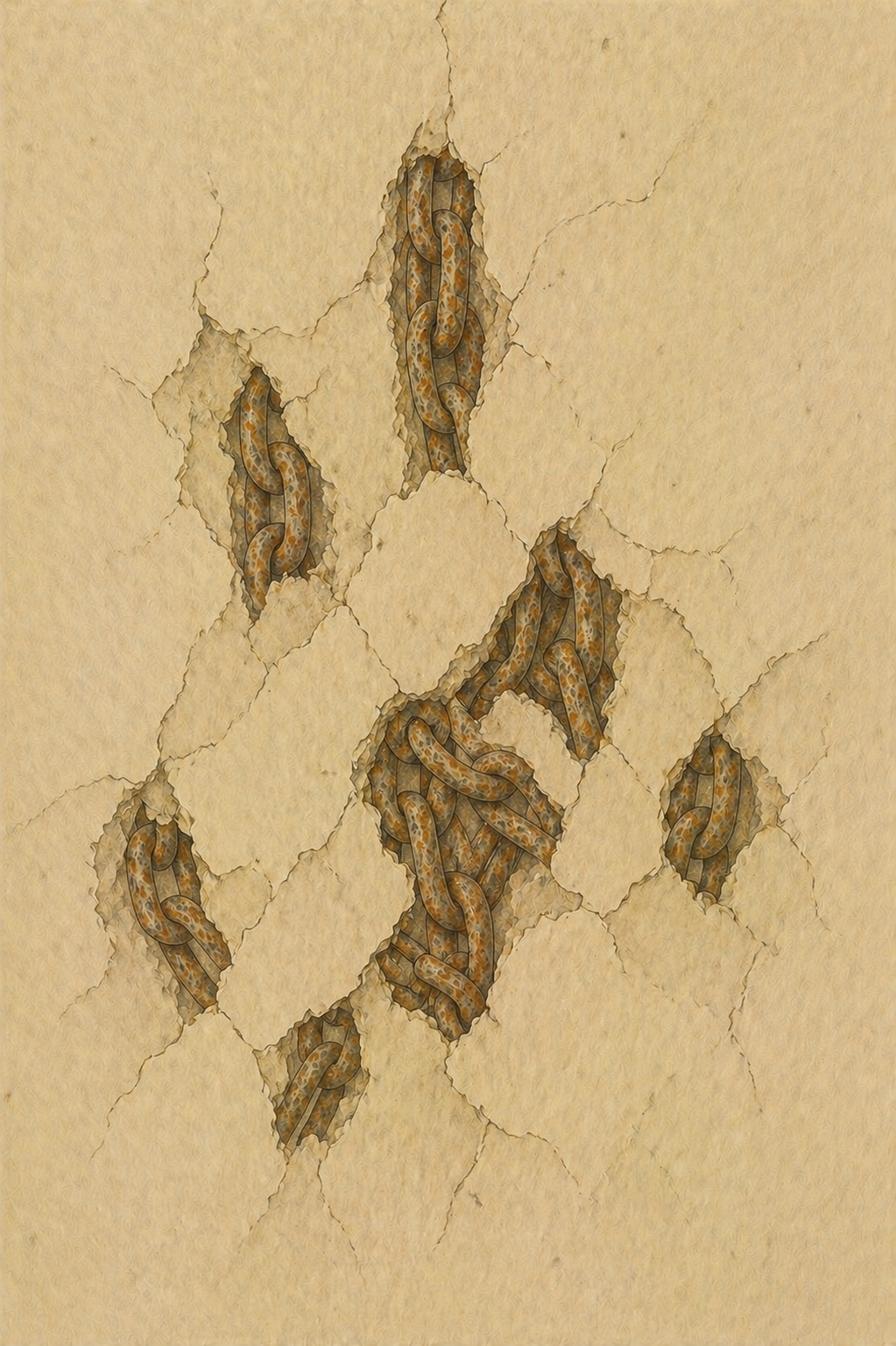
Avoidance can reduce anxiety in the short term but often strengthens anxiety over time. This article explains why avoidance happens and how it keeps anxiety going.
Panic Attacks Explained
Panic attacks can feel sudden, intense, and frightening. This guide explains what panic attacks actually are, why they happen, and how people can respond when they occur.

Why rest alone doesn't fix burnout
Burnout often persists even after vacations or time off. This article explains why rest alone is rarely enough to resolve burnout and what actually helps recovery.

The three dimensions of burnout
Burnout is not just exhaustion. Researchers describe burnout as a combination of three distinct experiences that often develop together over time.

What burnout does to motivation
Burnout often changes how motivation works. Tasks that once felt manageable or meaningful can start to feel heavy, pointless, or impossible to begin.

Burnout vs ordinary exhaustion
Burnout and ordinary exhaustion can feel similar, but they are not the same experience. This article explains how they differ and why burnout tends to persist longer.
Burnout recovery: what actually helps
Recovering from burnout usually requires more than rest. This article explains what actually helps people recover from prolonged workplace exhaustion.

When burnout becomes depression
Burnout and depression can overlap. This article explains how prolonged burnout can gradually affect mood, motivation, and wellbeing beyond the workplace.

The Productivity Trap
Burnout often develops when productivity becomes the main measure of worth. This article explains how the constant push for productivity can trap people in cycles of exhaustion.

Why “Self-Care” Often Fails
Self-care is often recommended as a solution for burnout. But many people find that it does not actually resolve their exhaustion. This article explains why.
Returning to Work After Burnout
Returning to work after burnout can feel uncertain and fragile. This article explains what often helps people rebuild sustainable working patterns after burnout.

When Burnout Requires Professional Help
Burnout sometimes improves with rest and changes at work. But in some situations professional support becomes necessary. This article explains when to seek help.

Burnout in Caregiving and Emotional Labour
Burnout can develop in roles that involve constant emotional care for others. This article explains why caregiving and emotional labour can create unique forms of burnout.
The Anxiety Loop: Thoughts, Body, Behaviour
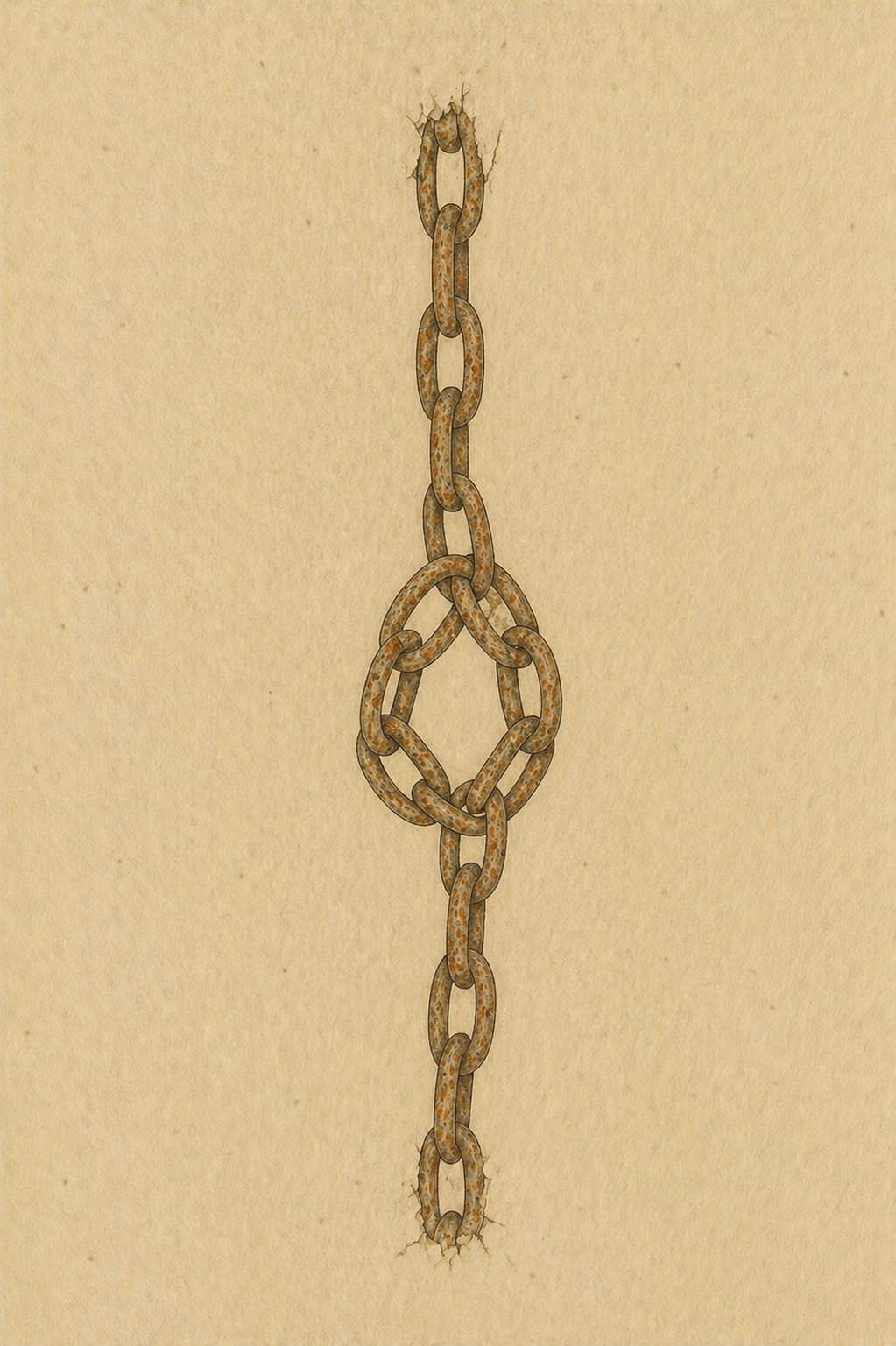
Anxiety often continues through a loop involving thoughts, body reactions, and behaviour. Understanding this cycle helps explain why anxiety can feel so persistent.
Why Your Brain Won't Stop Thinking
Anxious overthinking is not simply a bad habit. It is part of how the brain tries to predict and prevent possible threats.
Living With Uncertainty
Anxiety often grows in situations where the future feels uncertain. Learning how to live with uncertainty is an important part of reducing chronic anxiety.

Why Grief Comes in Waves
Grief rarely moves in a straight line. Many people experience grief as waves that rise and fall over time.

Continuing Bonds With Someone You've Lost
Grief does not always mean letting go completely. Many people continue feeling a connection with someone they have lost. This ongoing bond is a normal part of grief.

Why Anniversaries Can Hurt
Dates connected to a loss can bring grief back unexpectedly. Anniversaries often reactivate memories and emotions linked to the person who died.

The Problem With the Five Stages of Grief
The five stages of grief are widely known, but they are often misunderstood. Grief rarely follows a fixed sequence of emotional stages.

Why “Moving On” Is the Wrong Frame
People are often told they need to 'move on' after a loss. But grief rarely works this way. Understanding why can reduce pressure and confusion during the grieving process.

Supporting Someone Who Is Grieving
When someone you care about is grieving, it can be difficult to know how to help. Understanding what grief feels like can make support more meaningful.

Complicated Grief
Most grief gradually softens over time, but sometimes the pain of loss remains intensely persistent. This experience is often described as complicated grief.
Grief vs Depression
Grief and depression can feel similar, but they are not the same experience. Understanding the differences can help people recognize when grief is part of a natural response to loss and when additional support may be helpful.
Grief in Communities and Families
Grief is often experienced individually, but loss also affects families and communities. Understanding collective grief can help explain why relationships and social dynamics sometimes shift after a loss.
Why Sleep Breaks Down Under Stress
Stress often disrupts sleep. Understanding how the body’s stress response affects the sleep system can explain why sleep becomes difficult during stressful periods.
The Stress–Sleep Loop
Stress and poor sleep often reinforce each other. Understanding the stress–sleep loop can explain why sleep problems sometimes persist during difficult periods.
How Anxiety Disrupts Sleep
Anxiety often interferes with sleep by keeping the mind and body in a state of alertness. Understanding this connection can help explain why sleep becomes difficult during anxious periods.
The Myth of Perfect Sleep Hygiene
Sleep advice often focuses on strict sleep hygiene rules. While healthy habits matter, the idea that perfect routines guarantee sleep can create unnecessary pressure.
Why Forcing Sleep Backfires
When sleep becomes difficult, many people try harder to fall asleep. Unfortunately, the effort to force sleep often makes it even more difficult.

What Helps With Insomnia
Insomnia can make nights feel long and exhausting. Understanding what helps with insomnia often involves changing how the mind and body approach sleep.
Night-time Anxiety
Anxiety often becomes more noticeable at night. Understanding why this happens can make nighttime anxiety feel less confusing and easier to manage.

When to Seek Help for Sleep
Sleep problems are common, but sometimes they persist long enough to benefit from professional support. Understanding when to seek help can make sleep difficulties easier to address.
Sleep and Depression
Sleep and depression are closely connected. Changes in sleep are often one of the earliest signs of depression, and poor sleep can also make depression harder to manage.
Sleep and Burnout
Burnout and sleep problems often appear together. Understanding how exhaustion, stress, and disrupted sleep interact can help explain why recovery from burnout often involves restoring sleep.
The Myth of “Just Calm Down”
People with anxiety are often told to 'just calm down.' This advice misunderstands how anxiety actually works and why calming down is not always immediately possible.

Early signs of burnout
Burnout rarely appears suddenly. It usually develops through gradual changes in energy, motivation, and emotional engagement with work.

Functioning While Grieving
Grief can make everyday life feel heavy and unfamiliar. Many people continue working, caring for others, and managing responsibilities while carrying grief.

Resetting a Broken Sleep Cycle
When sleep schedules become irregular, it can feel difficult to return to a stable rhythm. Understanding how sleep cycles reset can make the process more manageable.

Loss of Motivation Explained
Loss of motivation is one of the most confusing parts of depression. Understanding why it happens can make the experience easier to recognize and navigate.

The Energy Problem in Depression
One of the most misunderstood parts of depression is how deeply it affects energy. Understanding the energy problem in depression can explain why even simple tasks may feel overwhelming.

The Productivity Myth in Depression
Depression often collides with cultural expectations about productivity. Understanding the productivity myth can help explain why depression frequently creates guilt and self-criticism.

Getting Through the Day With Depression
When depression makes ordinary tasks feel overwhelming, the goal often shifts from productivity to simply getting through the day. Small adjustments can make daily life more manageable.

Small Routines That Help
During depression, large goals can feel overwhelming. Small routines can provide structure and stability that make daily life more manageable.

Reconnecting With Interest and Meaning
Depression often disconnects people from things that once felt meaningful. Reconnecting with interest usually happens gradually through small experiences rather than sudden changes.

When Depression Requires Treatment
Many periods of low mood improve over time, but sometimes depression becomes persistent enough to benefit from professional treatment. Understanding when to seek help can make recovery easier.

Depression and Burnout
Depression and burnout can look similar, but they are not the same experience. Understanding how they overlap can make it easier to recognize what someone may be going through.

The Physiological Sigh
The physiological sigh is a simple breathing technique that can quickly calm the nervous system during stress or anxiety.
A Nervous System Reset Routine
A short sequence of simple actions that can help your nervous system shift out of stress mode and settle back into a calmer state.

Cognitive Defusion (Step Back From Thoughts)
Cognitive defusion is a simple technique that helps create distance from distressing thoughts instead of getting pulled into them.

Naming the Emotion Exercise
Naming an emotion can help reduce its intensity. This simple exercise helps create space between you and overwhelming feelings.
A Simple Rumination Breaker
Rumination can trap the mind in repetitive loops of thinking. This simple technique helps interrupt the cycle and redirect attention.
The Two-Minute Reset
A short reset that uses breathing, posture, and attention to help your nervous system settle during moments of stress.

A Body-Based Calm Technique
A simple body-based technique that can help calm the nervous system when stress or anxiety feels physical and overwhelming.
The Window of Tolerance Explained
The window of tolerance describes the emotional zone where the nervous system can function and regulate effectively. Understanding it can help you recognize when stress is pushing you outside that zone.
When Tools Aren't Enough
Practical techniques can help manage stress and emotional spikes. But sometimes distress continues despite using tools. Knowing when additional support may help is an important part of mental health.

Understanding The Relationship Strain
Relationships are a major source of support, but they can also become a source of stress. This guide explains why relationship strain happens and what can help restore balance.

Emotional Withdrawal in Relationships
Sometimes conflict in relationships does not look like arguing. Instead, one or both people withdraw emotionally. Understanding why withdrawal happens can help explain this pattern.

Attachment Patterns Explained
Attachment patterns shape how people seek closeness, respond to conflict, and handle emotional distance in relationships.

The Myth of Perfect Communication
Many people believe that relationship problems would disappear if partners simply communicated better. In reality, communication is only one part of how relationships work.

Why Arguments Repeat
Many couples find themselves having the same argument again and again. Understanding why this happens can help explain the deeper patterns behind repeated conflict.

Repair After Conflict
Conflict happens in every relationship. What matters most is how partners repair the connection afterward.

When a Relationship Feels Emotionally Unsafe
Some relationships begin to feel emotionally unsafe. Recognizing the signs of emotional unsafety can help people understand what they are experiencing and what support may help.

When Couples Therapy Helps
Couples therapy can help partners understand repeating conflict patterns, rebuild emotional safety, and improve communication in relationships that feel stuck or strained.

Relationships and Anxiety
Anxiety can affect how people interpret signals, handle conflict, and seek reassurance in relationships.

Relationships and Emotional Burnout
Sometimes relationship stress builds slowly over time until one or both partners feel emotionally exhausted. Understanding emotional burnout in relationships can help explain why connection begins to feel draining.
What Anxiety Actually Is
Anxiety often feels like a thinking problem. But it is actually a body-based threat detection system designed to keep you safe.
Interrupting the Anxiety Spiral
Anxiety spirals can feel impossible to stop once they begin. This article explains how the spiral works and practical ways to interrupt the cycle.

Work Stress and Burnout
Work stress and burnout are related but not identical experiences. Understanding how ongoing work stress can gradually lead to burnout can make the process easier to recognize.
Work Stress and Anxiety
Work stress and anxiety often influence each other. Understanding how workplace pressure interacts with anxiety can help explain why work-related worries sometimes become difficult to switch off.

Why Work Stress Feels Different
Work stress often feels more persistent than other kinds of stress. Understanding why work-related pressure affects people so strongly can make the experience easier to recognize.
Why High Performers Burn Out
Burnout is often associated with heavy workloads, but high performers may be especially vulnerable. Understanding why high achievers burn out can help explain how stress develops over time.
When Work Stress Requires Professional Help
Work stress is common, but sometimes it becomes intense or persistent enough that professional support can help. Understanding when to seek help can make recovery easier.
Understanding Work Stress
Work stress is one of the most common forms of sustained stress in adult life. Understanding how it develops can make the experience easier to recognize and navigate.
The Emotional Labour of Leadership
Leadership often involves more than decision-making. Many leadership roles require ongoing emotional labour, which can become a hidden source of work stress.

Responsibility and Cognitive Load
Work stress often comes not just from workload, but from cognitive load. Understanding how responsibility and mental load interact can explain why some jobs feel mentally exhausting.
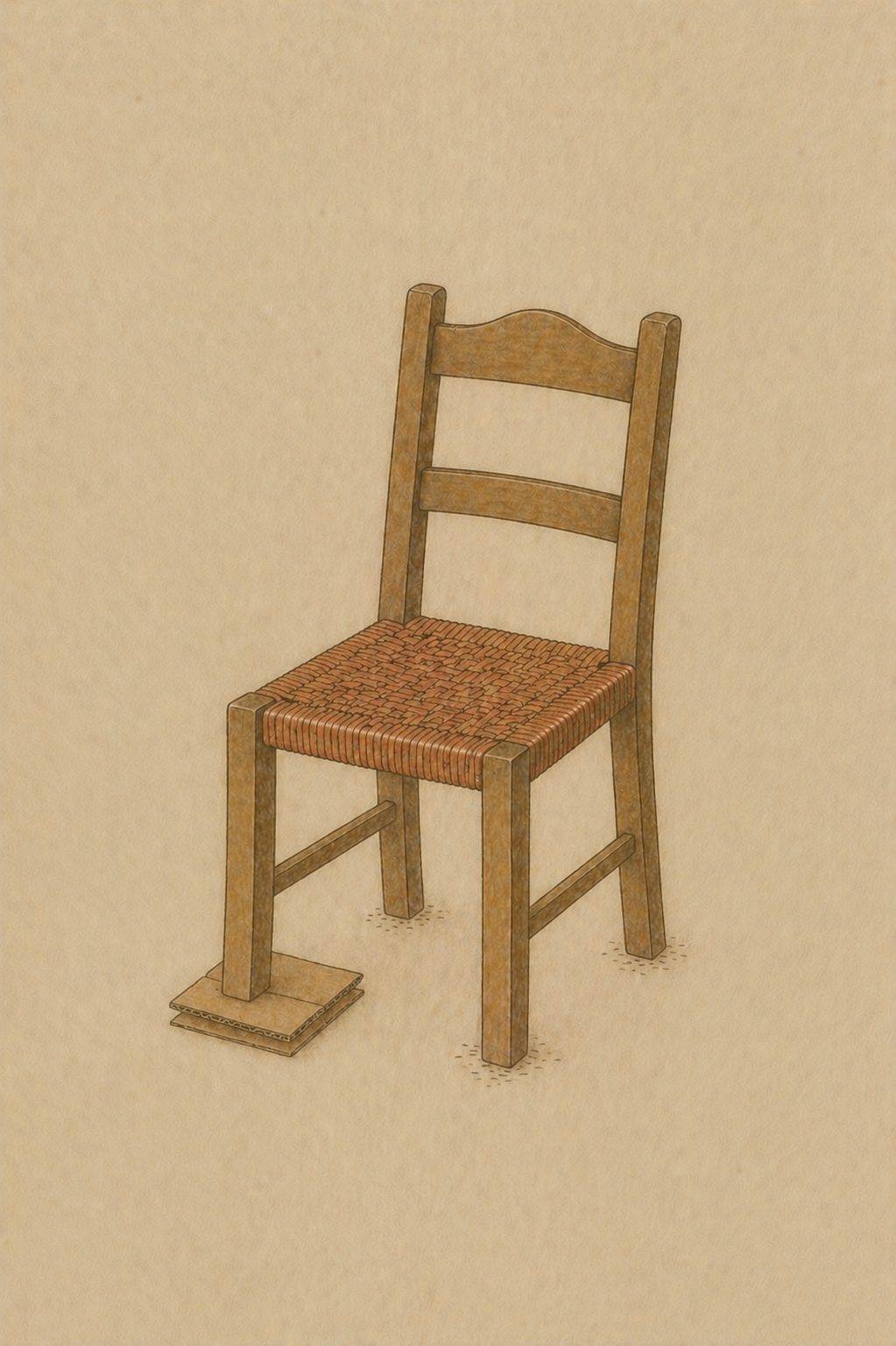
Recovering From Work Stress
Recovering from work stress often requires more than a short break. Understanding how recovery works can help restore energy and resilience after sustained pressure.
Hustle Culture and the Myth of Endless Capacity
Modern work culture often celebrates constant productivity and long hours. Understanding the limits of human capacity can explain why hustle culture frequently leads to stress and burnout.
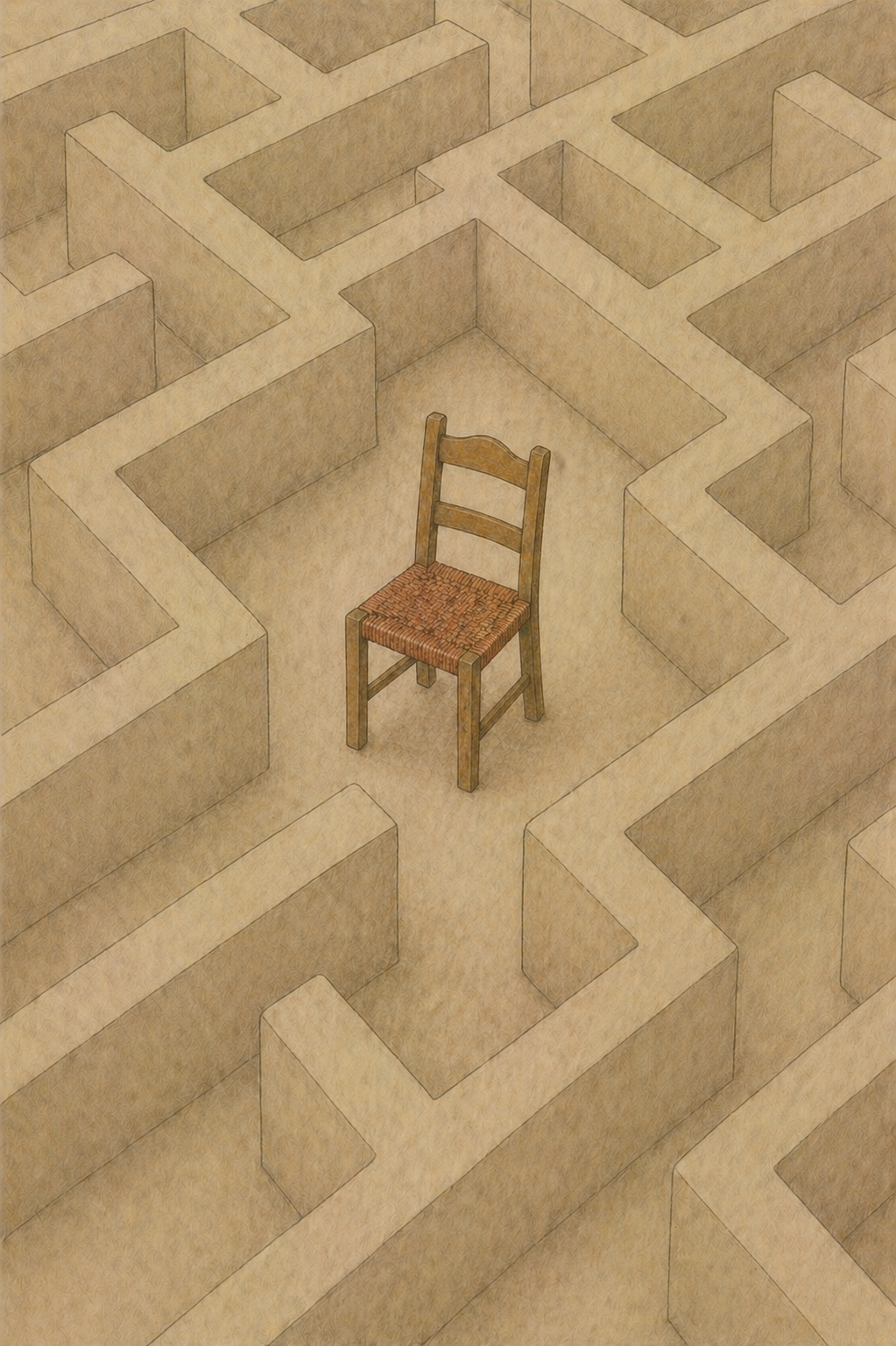
Finding Your Way Through a Toxic Workplace
A toxic workplace can create persistent stress that affects mental health and well-being. Understanding the patterns of toxic work environments can help people navigate them more safely.
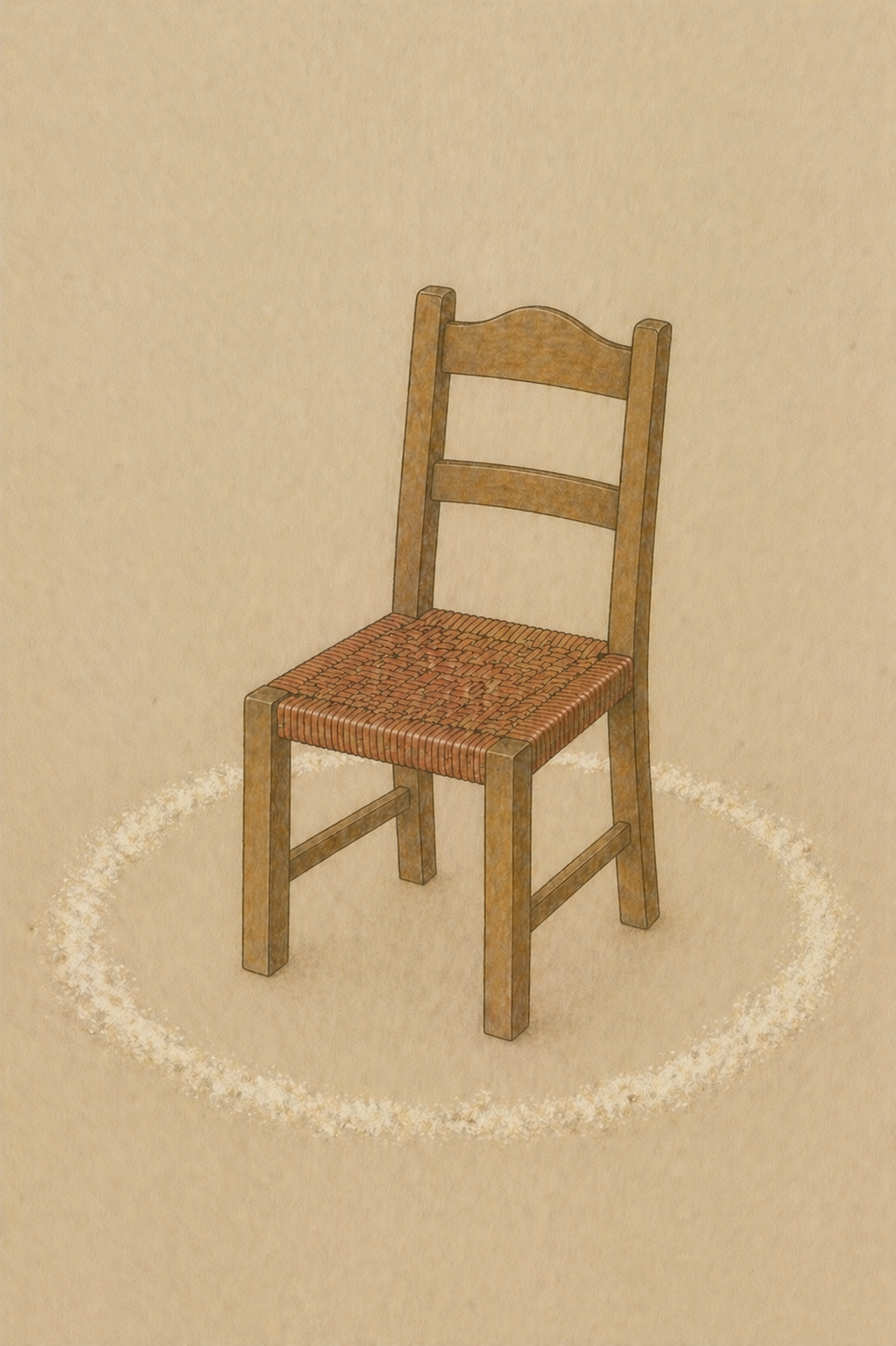
Boundaries at Work
Work boundaries help protect time, attention, and energy. Understanding how boundaries function at work can make it easier to manage work stress.

Rebuilding Trust
Trust can be damaged in relationships through repeated hurt, broken promises, or betrayal. Rebuilding trust is usually a gradual process that involves consistency and emotional repair.

How work environments create burnout
Burnout is often shaped by the structure of the workplace. This article explains how certain work environments increase the risk of chronic exhaustion and disengagement.
5-4-3-2-1 Grounding
The 5-4-3-2-1 grounding technique helps bring attention back to the present moment when anxiety, panic, or overwhelming thoughts take over.

When Grief Feels Like It Will Never End
Sometimes grief can feel endless and overwhelming. Understanding why grief can feel this way may help people make sense of the experience.

Why Conflict Escalates
Arguments in relationships often intensify quickly. Understanding why conflict escalates can help people interrupt the cycle before it becomes damaging.
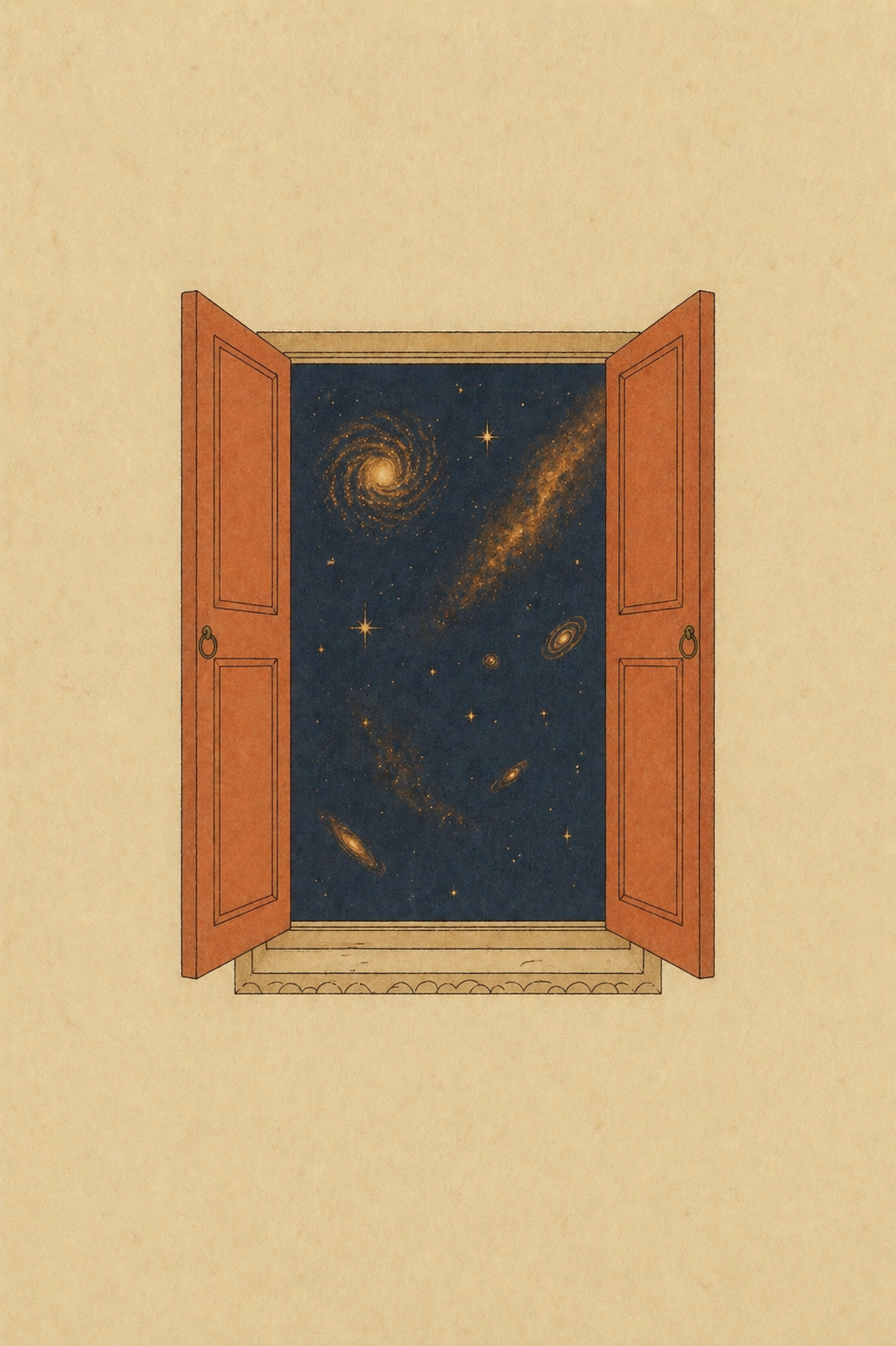
Rumination at Night
Many people notice their thoughts becoming louder at night. Rumination can make it difficult to fall asleep even when the body feels tired.
A 90-Second Stress Reset
A short reset you can use when stress spikes. This technique uses breath, movement, and attention to help the nervous system settle within about 90 seconds.
Box Breathing
Box breathing is a simple breathing pattern that can calm the nervous system and steady attention during stress or anxiety.

Depression and Grief
Grief and depression can feel similar but arise from different emotional processes. Understanding how they overlap can help people make sense of their experience.
Why “Just Try Harder” Doesn't Work
Depression is often misunderstood as a lack of effort or willpower. Understanding why 'just try harder' doesn't work can clarify how depression actually affects motivation, energy, and action.
Anxiety and Sleep
Anxiety and sleep problems often reinforce each other. Understanding this connection can help explain why anxiety frequently becomes worse at night.
Anxiety and Work Stress
Work stress and anxiety often reinforce each other. Understanding how workplace pressure interacts with anxiety can help explain why work sometimes becomes overwhelming.

Understanding Guilt
Guilt is one of the most uncomfortable emotions humans experience. This guide explains what guilt actually is, why it happens, and what tends to help.

Guilt vs Shame: Why the Difference Matters
Guilt and shame are often used interchangeably, but they work differently in the mind and body. Understanding which one you are feeling changes what you can do about it.

The Guilt Cycle: Why Guilt Keeps Returning
Guilt is meant to be a temporary signal. But for many people it becomes a repeating loop. Understanding why guilt persists can help break the cycle.

Guilt and Relationships
Guilt rarely stays internal. It shapes how we behave toward the people we feel we have wronged, and how others can use guilt to influence us. Understanding both directions matters.

Guilt and Grief
Guilt is one of the most common and least talked about parts of grief. Understanding why it appears and what it is actually doing can make it easier to bear.

When Guilt Becomes Chronic
Guilt is meant to be temporary. When it becomes a permanent feature of how someone sees themselves, something has shifted. Understanding what chronic guilt is and how it develops matters.

What People Get Wrong About Guilt
Guilt is one of the most misunderstood emotions. The beliefs people hold about how guilt works often make it harder to move through, not easier.

Self-Forgiveness: What It Actually Is and How It Works
Self-forgiveness is not about excusing what happened. It is about releasing punishment that has stopped serving any purpose. Understanding what it actually involves makes it more possible.
Nothing here yet
Try a different category or browse all resources.