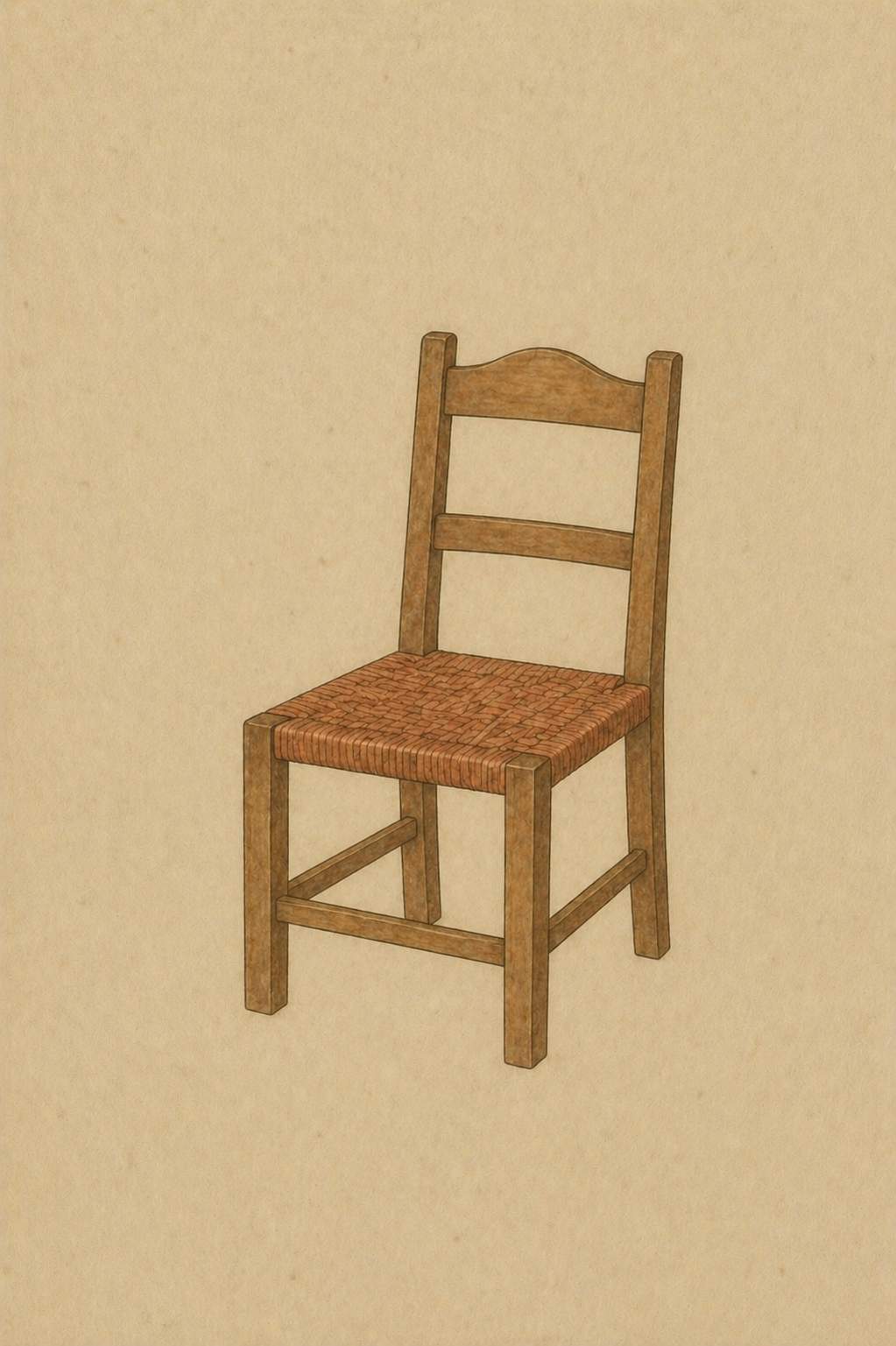
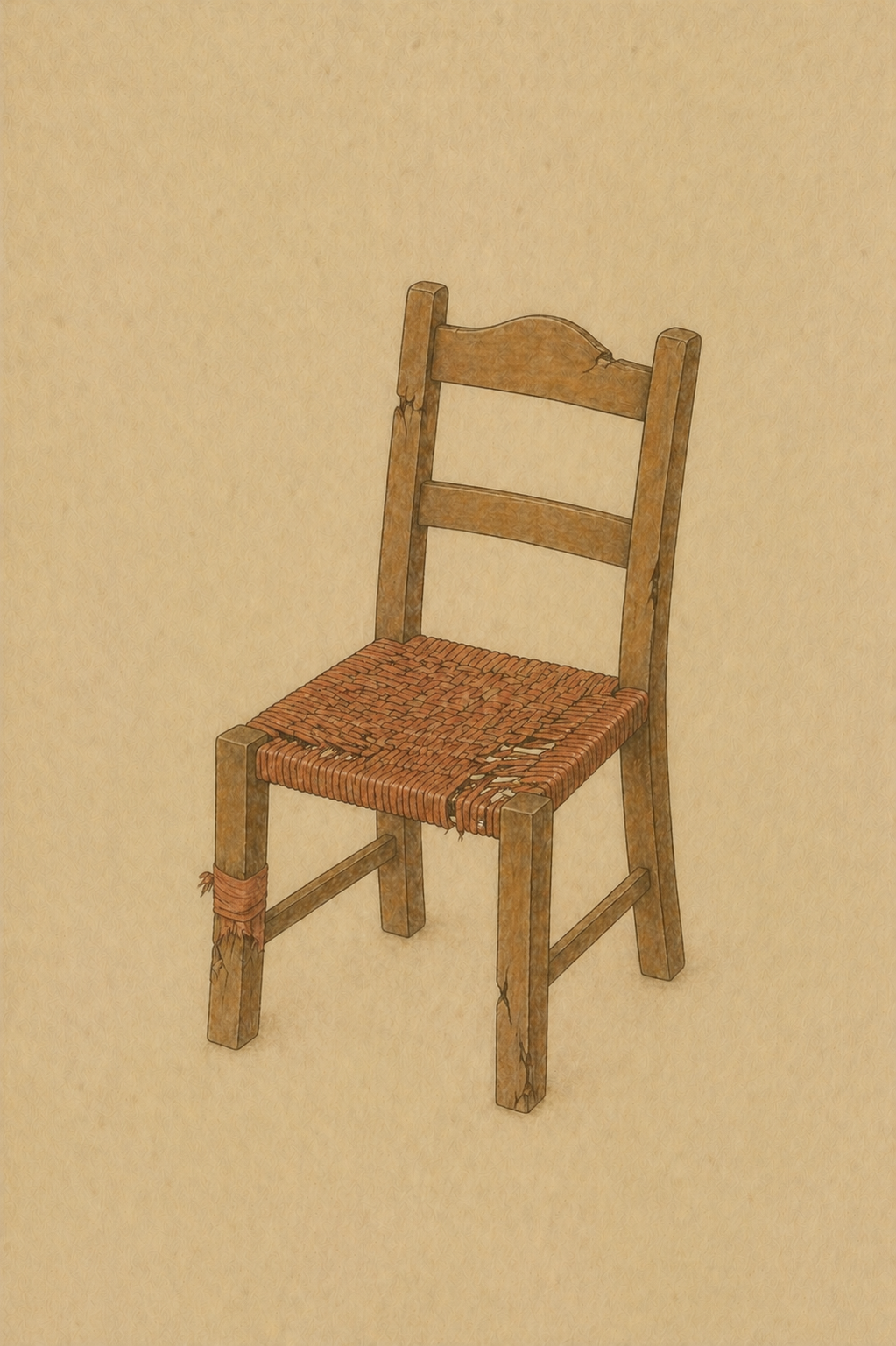
When work stress stops feeling temporary
Most people experience stressful periods at work.
Deadlines, demanding projects, or heavy workloads can create pressure that eventually fades once the situation stabilizes. In these cases, the body and mind usually recover once the intense period ends.
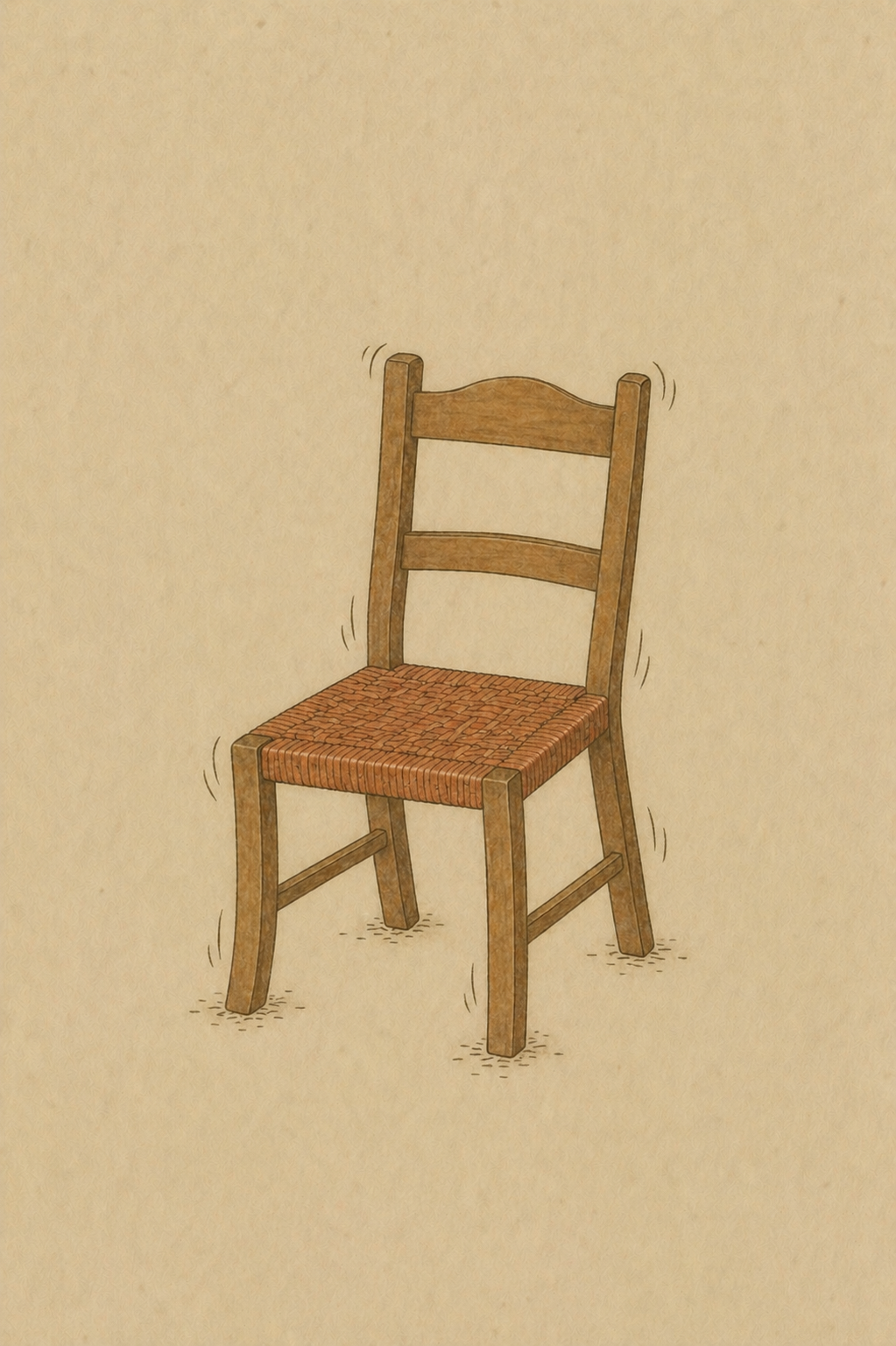
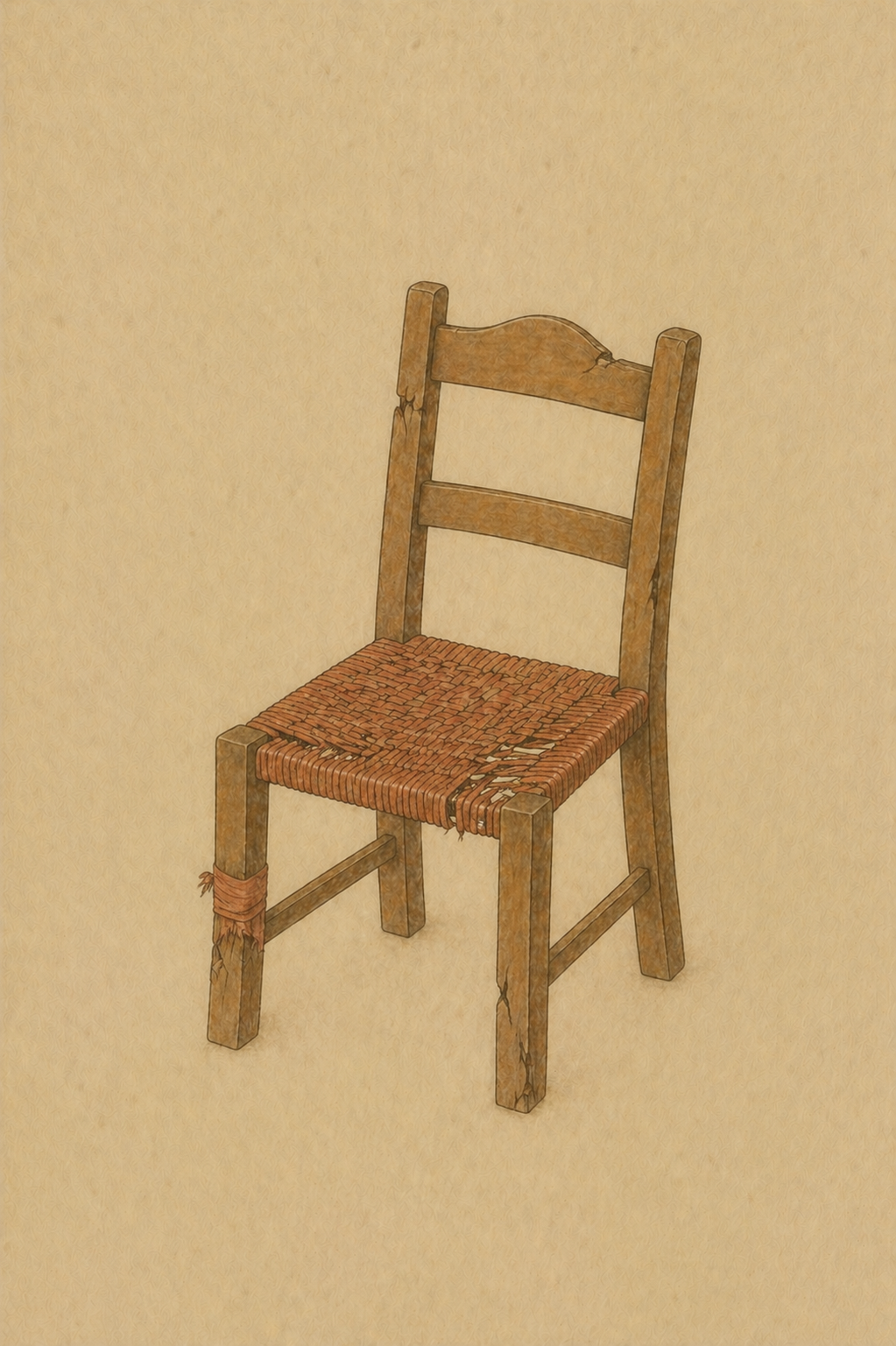
Sometimes, however, work stress continues for long periods without sufficient recovery. When stress becomes chronic rather than temporary, it can gradually develop into burnout.
Burnout represents a deeper and more sustained form of work-related exhaustion.
The difference between work stress and burnout
Work stress and burnout share some similarities, but they are not exactly the same.
Work stress usually involves feeling overwhelmed by demands. Energy may feel stretched, but motivation and engagement often remain present.
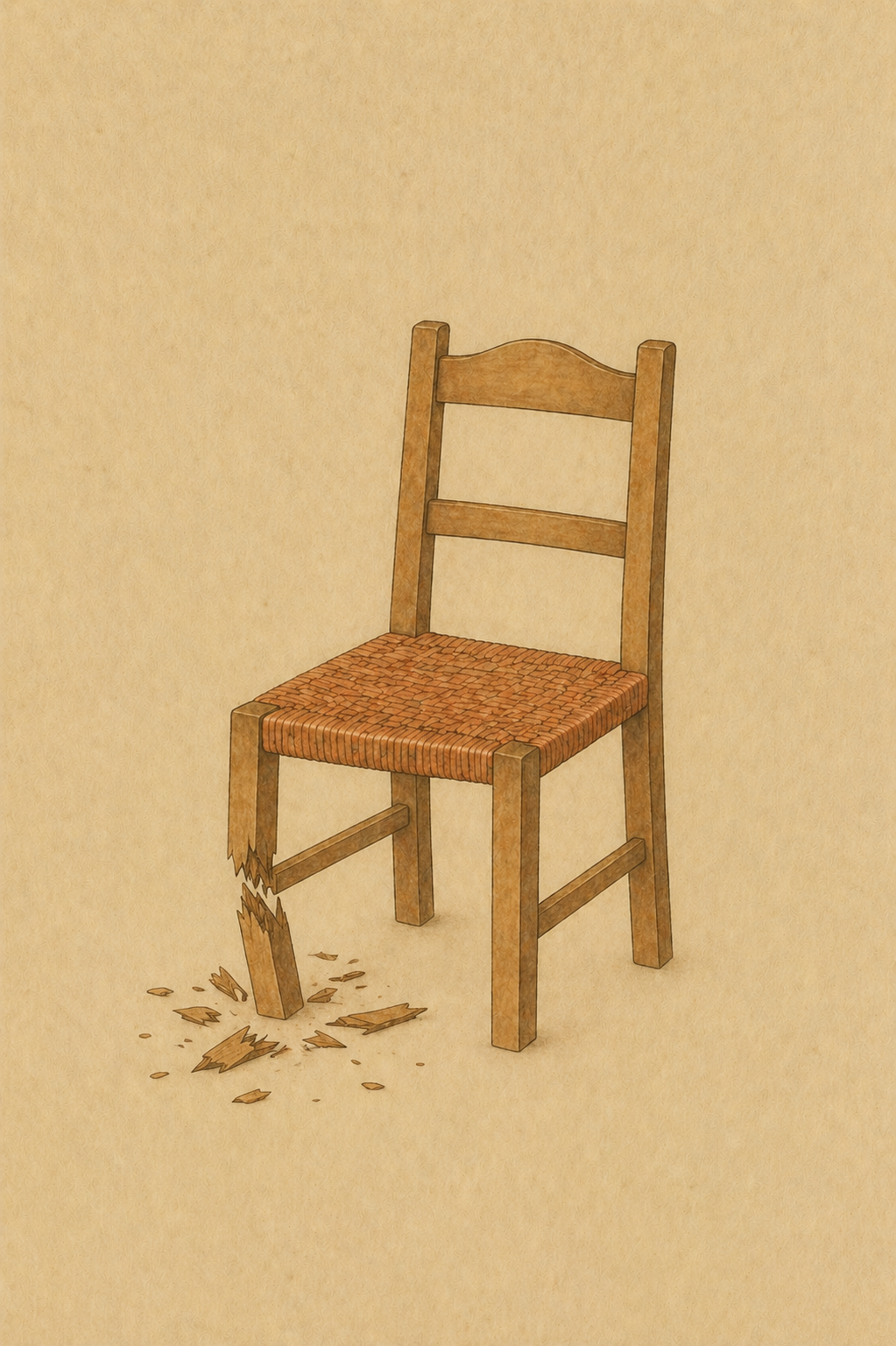
Burnout involves a deeper change in how work feels. Energy becomes depleted, motivation fades, and people may begin to feel emotionally detached from their work.
In simple terms:
Work stress often feels like too much pressure.
Burnout often feels like having nothing left to give.
How ongoing work stress can lead to burnout
Burnout typically develops when work stress continues for long periods without adequate recovery.
A common pattern may unfold like this:
- Work responsibilities increase.
- Stress becomes frequent or constant.
- Recovery time becomes shorter.
- Mental and emotional exhaustion builds.
- Motivation and engagement begin to decline.
Because this process unfolds gradually, people may not notice the shift until exhaustion becomes severe.
Signs that work stress may be becoming burnout
Some changes suggest that ordinary work stress may be evolving into burnout.
These may include:
• persistent physical or mental exhaustion
• loss of enthusiasm or interest in work
• feeling emotionally distant from tasks or colleagues
• increased irritability or frustration
• difficulty concentrating or making decisions
• feeling that effort no longer leads to meaningful results
These experiences often develop slowly as pressure continues.
Why burnout affects both energy and motivation
Burnout affects more than just fatigue.
When stress continues without recovery, several systems in the body and mind begin to change.
Stress hormones may remain elevated for long periods. Emotional energy becomes depleted from sustained pressure. The mind may begin to detach from work as a way of protecting itself from further strain.
This combination of exhaustion and emotional distancing is what makes burnout feel different from ordinary stress.
What people often misunderstand about burnout
Several beliefs can make burnout harder to recognize.
Burnout only happens to people who dislike their work
Burnout often occurs in people who care deeply about their work but face sustained pressure.
Taking a short break will solve burnout
While rest helps, deeper recovery often requires changes in workload, boundaries, or workplace conditions.
Burnout means someone is not resilient enough
Burnout usually reflects prolonged stress rather than a lack of personal strength.
Burnout appears suddenly
In most cases, burnout develops gradually through ongoing stress.
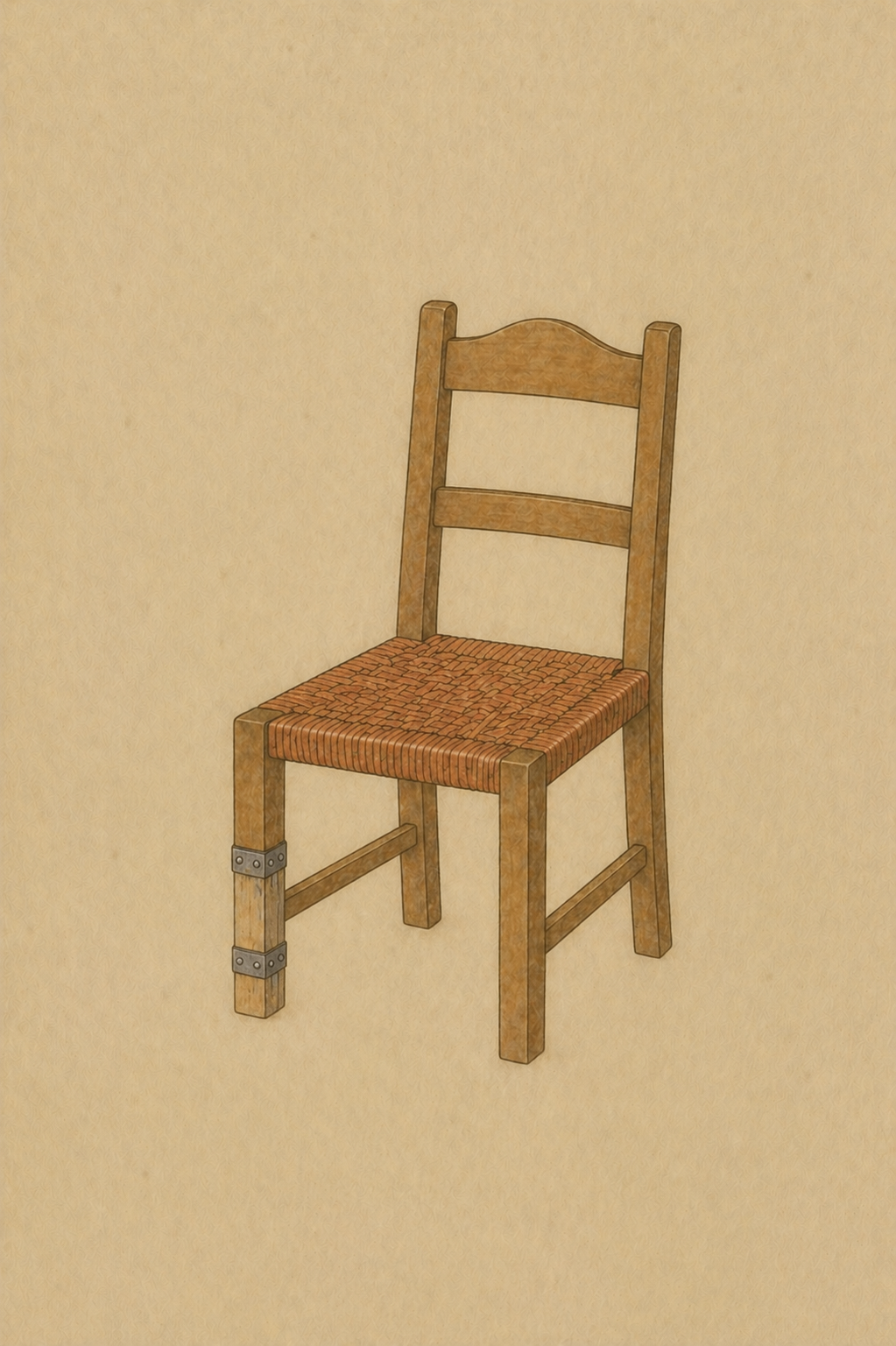
What helps interrupt the path toward burnout
When work stress begins moving toward burnout, several actions may help restore balance.
Helpful steps may include:
restoring recovery time
Sleep, rest, and time away from work help replenish depleted energy.
reducing sustained overload
Adjusting workload or responsibilities can help stabilize stress levels.
strengthening boundaries
Clear limits around work hours and availability support recovery.
reconnecting with meaningful aspects of work
Revisiting purpose or priorities can sometimes restore motivation.
When professional support may help
Professional support may be helpful if work stress:
creates persistent exhaustion
leads to emotional detachment from work
interferes with sleep or health
or begins affecting daily functioning
Mental health professionals, coaches, and workplace support programs can help people understand burnout patterns and explore strategies for recovery.
References
Maslach, C., & Leiter, M. P. (2016). Burnout. Wiley.
World Health Organization. (2019). Burn-out an occupational phenomenon.
Sonnentag, S., & Fritz, C. (2015). Recovery from job stress: The stressor–detachment model. Journal of Organizational Behavior, 36(S1).
Lazarus, R. S., & Folkman, S. (1984). Stress, Appraisal, and Coping. Springer.