Why relationships do not disappear after loss
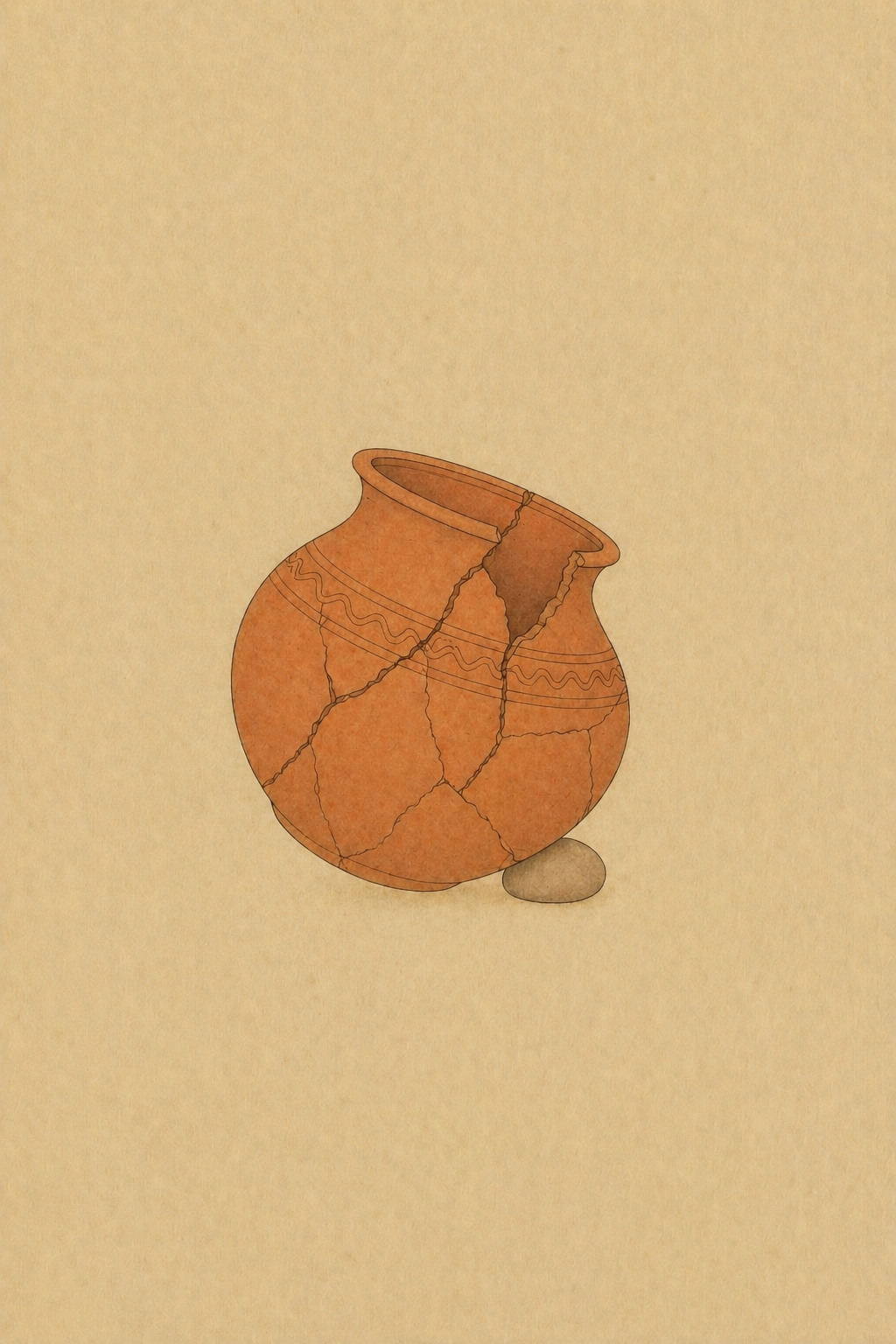
One of the most confusing aspects of grief is what happens to the relationship.
When someone important dies, the physical presence of that person disappears. But the emotional connection often remains.
People may still think about the person regularly. They may remember their voice, imagine what they would say in certain situations, or feel a sense of connection during important moments.
In earlier views of grief, people were often encouraged to "move on" by letting go of the relationship entirely.
Modern research suggests something different.
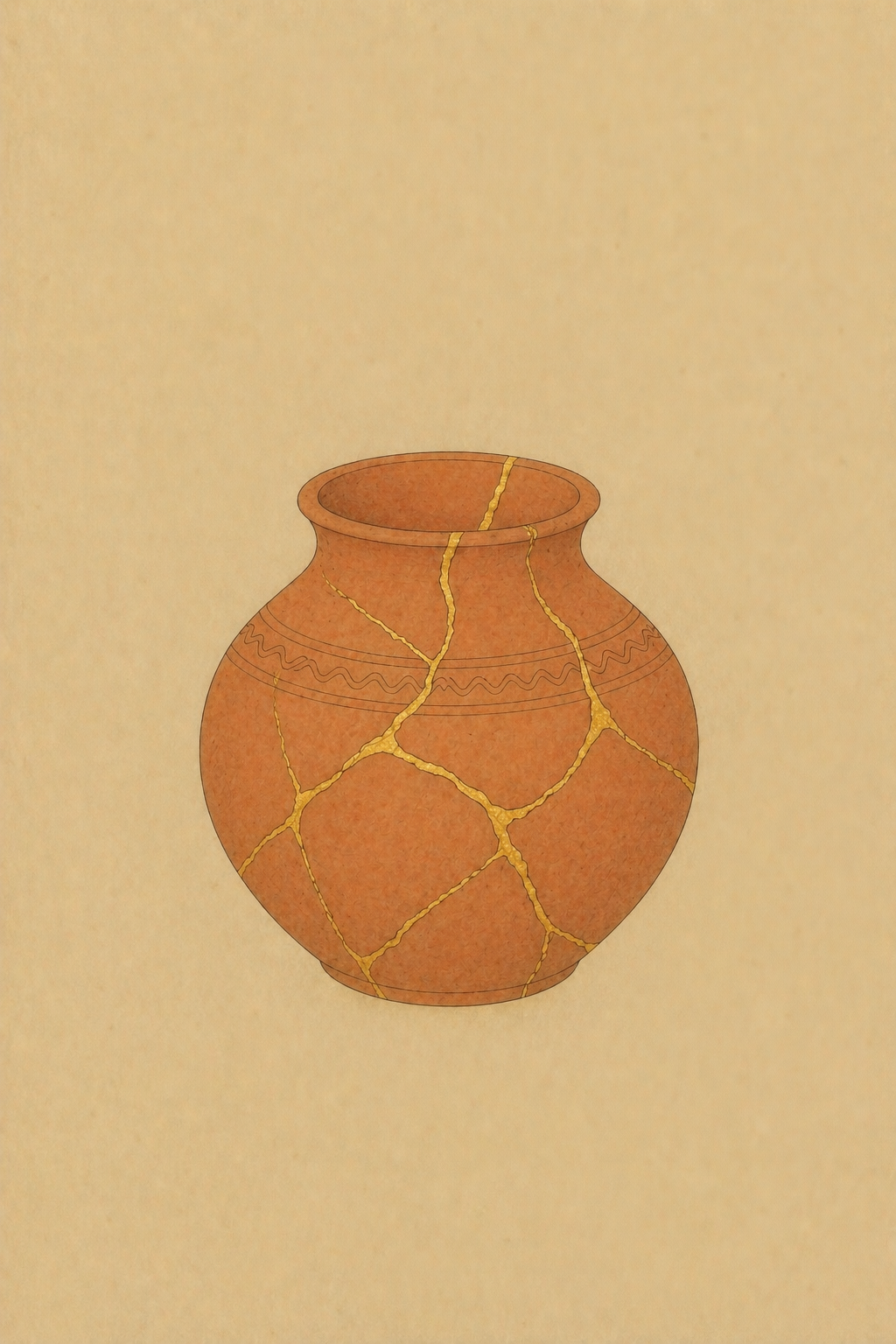
For many people, grief involves continuing bonds with the person who has died. The relationship changes, but it does not necessarily disappear.
What continuing bonds can feel like
People who maintain a connection with someone they have lost often notice experiences such as:
• thinking about what the person might say in a situation
• feeling comfort from memories of them
• speaking about the person in everyday conversation
• feeling their influence in decisions or values
• sensing emotional closeness during meaningful moments
• keeping personal objects or traditions connected to them
These experiences do not mean someone is unable to accept the loss.
Instead, they often reflect the importance of the relationship that existed.
Why the connection remains
Human relationships shape identity, memory, and emotional life.
When someone important dies, the brain does not simply erase those connections. Memories, shared experiences, and emotional associations remain deeply embedded.
The relationship becomes part of a person's inner world.
Over time, the form of the relationship may change. Instead of interacting directly with the person, the connection may continue through memory, influence, and meaning.
This process allows people to integrate the loss into their lives rather than trying to erase it.
How the relationship changes
Continuing bonds often evolve over time.
Early in grief, the connection may feel painful because reminders of the person highlight the absence.
Later, the relationship may shift toward remembrance, gratitude, or quiet influence.
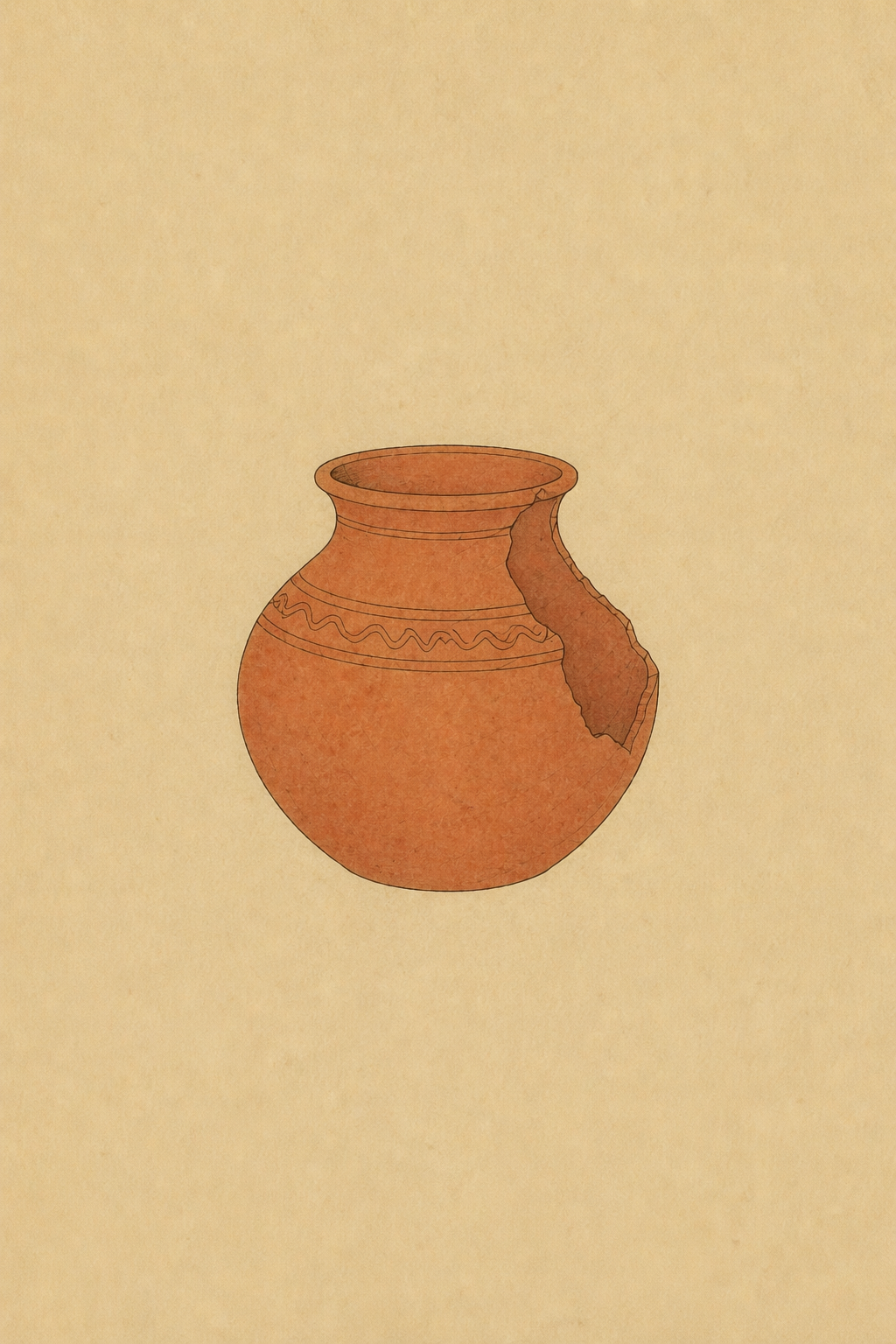
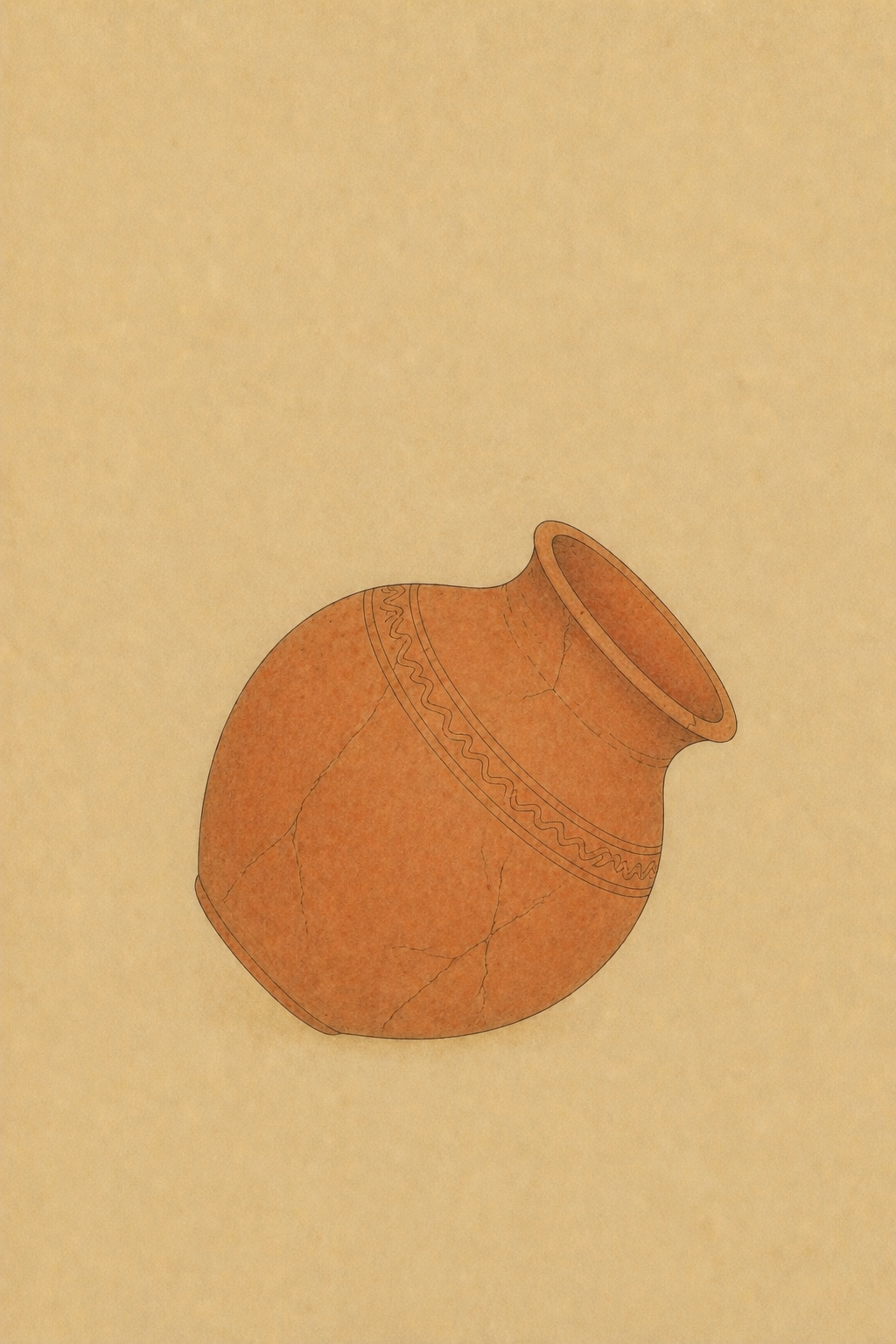
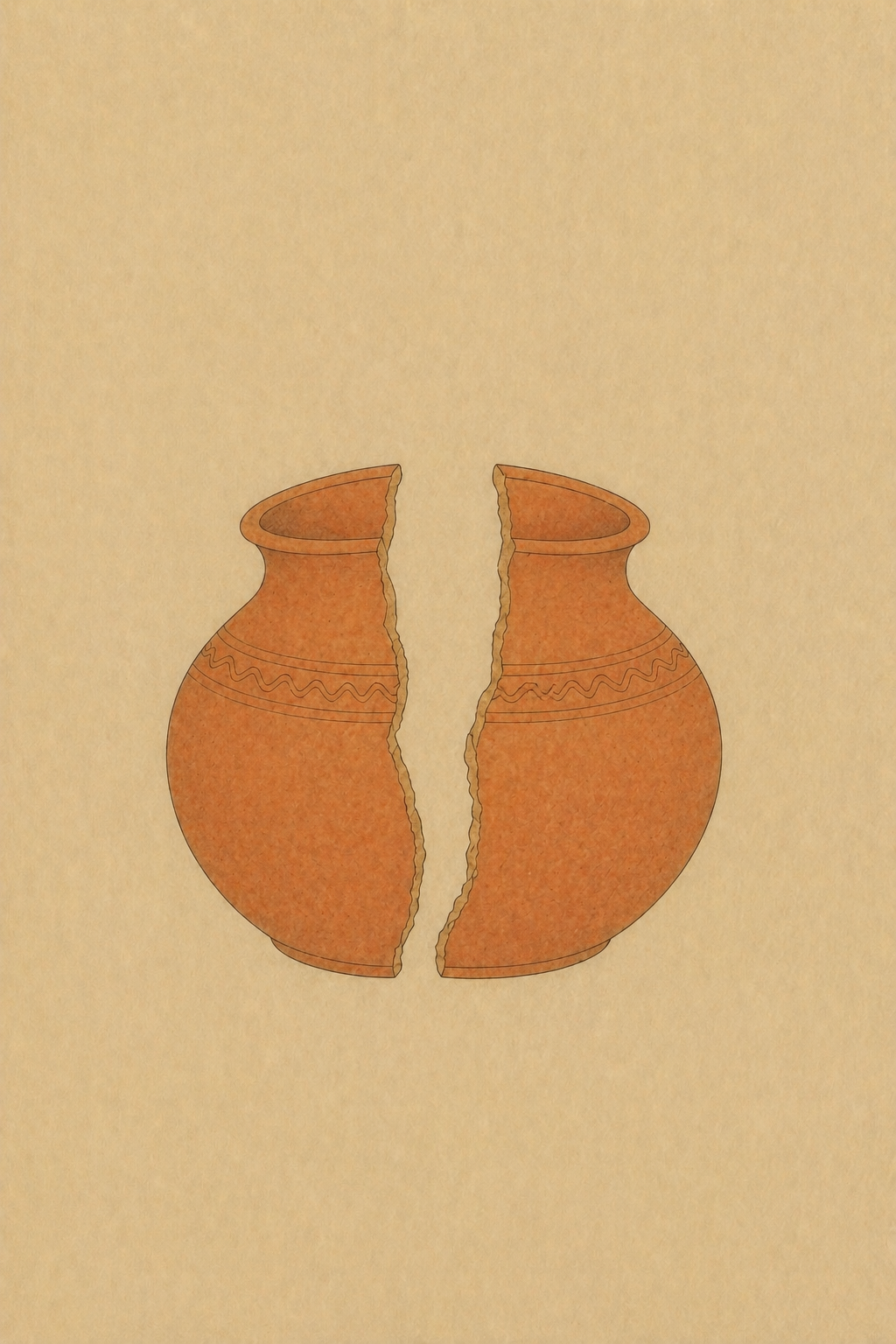
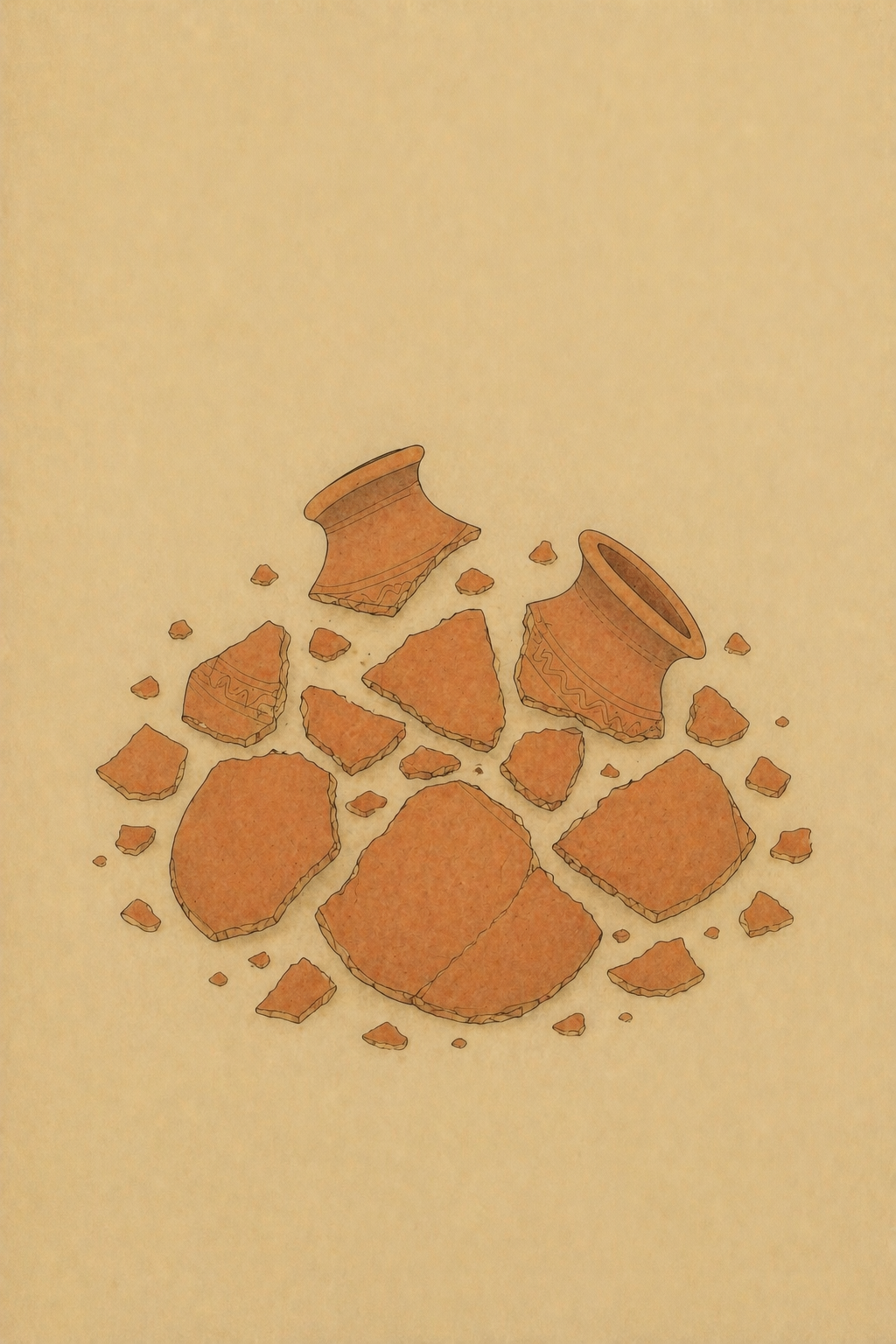
A simplified version of this process may look like this:
- The loss creates intense emotional pain.
- Memories trigger strong longing and sadness.
- Over time, memories become less overwhelming.
- The relationship becomes internal rather than external.
- The person continues to influence thoughts, values, and identity.
This transformation often happens gradually.
What people often misunderstand about continuing bonds
Several beliefs can create confusion about maintaining a connection with someone who has died.
Holding onto the relationship prevents healing
Maintaining a connection does not necessarily block recovery.
For many people, the continuing bond becomes a source of meaning rather than pain.
Healthy grief requires complete detachment
Research shows that many people maintain some form of connection with loved ones who have died.
This can be part of normal adjustment.
Thinking about the person means the grief has not resolved
Remembering someone is a natural part of love and memory.
Grief does not require forgetting the relationship.
Continuing bonds mean someone is stuck in the past
For many people, the connection evolves into a quieter presence that coexists with ongoing life.
Ways people maintain continuing bonds
People often develop personal ways of maintaining connection with someone who has died.
These may include:
Remembering through stories
Sharing memories with others can keep the person's presence alive in meaningful ways.
Continuing traditions
Maintaining certain rituals, holidays, or activities connected with the person can create a sense of continuity.
Keeping meaningful objects
Photographs, letters, or personal belongings can serve as reminders of the relationship.
Living according to shared values
Some people honor the person they lost by continuing values, lessons, or goals that were important in the relationship.
When professional support may help
Professional support may be useful if grief:
feels overwhelming for long periods
creates difficulty functioning in daily life
leads to persistent isolation or hopelessness
makes it difficult to engage with the present
Grief counselors and therapists can help people explore ways of integrating loss while maintaining meaningful connections with those they have lost.
References
Klass, D., Silverman, P. R., & Nickman, S. L. (1996). Continuing Bonds: New Understandings of Grief. Taylor & Francis.
Neimeyer, R. A. (2012). Techniques of Grief Therapy. Routledge.
Worden, J. W. (2018). Grief Counseling and Grief Therapy. Springer Publishing.
Stroebe, M., Schut, H., & Boerner, K. (2017). Models of coping with bereavement. Death Studies, 41(6), 321–333.