When work pressure follows you home
Many forms of stress appear in short bursts.
A difficult conversation, a financial problem, or a sudden crisis may create intense pressure for a period of time, but eventually the situation passes.
Work stress often feels different.
Instead of appearing briefly, work stress may return every day. Tasks, expectations, and responsibilities reappear each morning, and unresolved problems can carry forward from one day to the next.
Because of this repetition, work stress can feel more constant than other forms of pressure.
What work stress often feels like
People experiencing sustained work stress often describe patterns such as:
• difficulty switching off from work after the day ends
• thinking about unfinished tasks late in the evening
• waking during the night with work-related thoughts
• feeling mentally drained even after resting
• feeling pressure to remain constantly available
• losing enjoyment in work that once felt meaningful
These experiences often develop gradually as work demands accumulate.
Why work stress can become persistent
Several factors make work stress particularly powerful.
Work is tied to survival
For most people, work provides income and stability.
Because of this connection, work problems can feel like threats to security or livelihood.
Work shapes identity
Work often becomes part of how people define themselves.
Success, failure, or recognition at work can affect self-esteem and personal identity.
Work rarely has clear endings
Many jobs involve ongoing projects rather than clear completion points.
Even when one task finishes, another quickly replaces it.
Technology extends the workday
Modern communication tools make it easier for work messages, emails, and notifications to appear outside traditional work hours.
This can blur the boundary between work time and personal time.
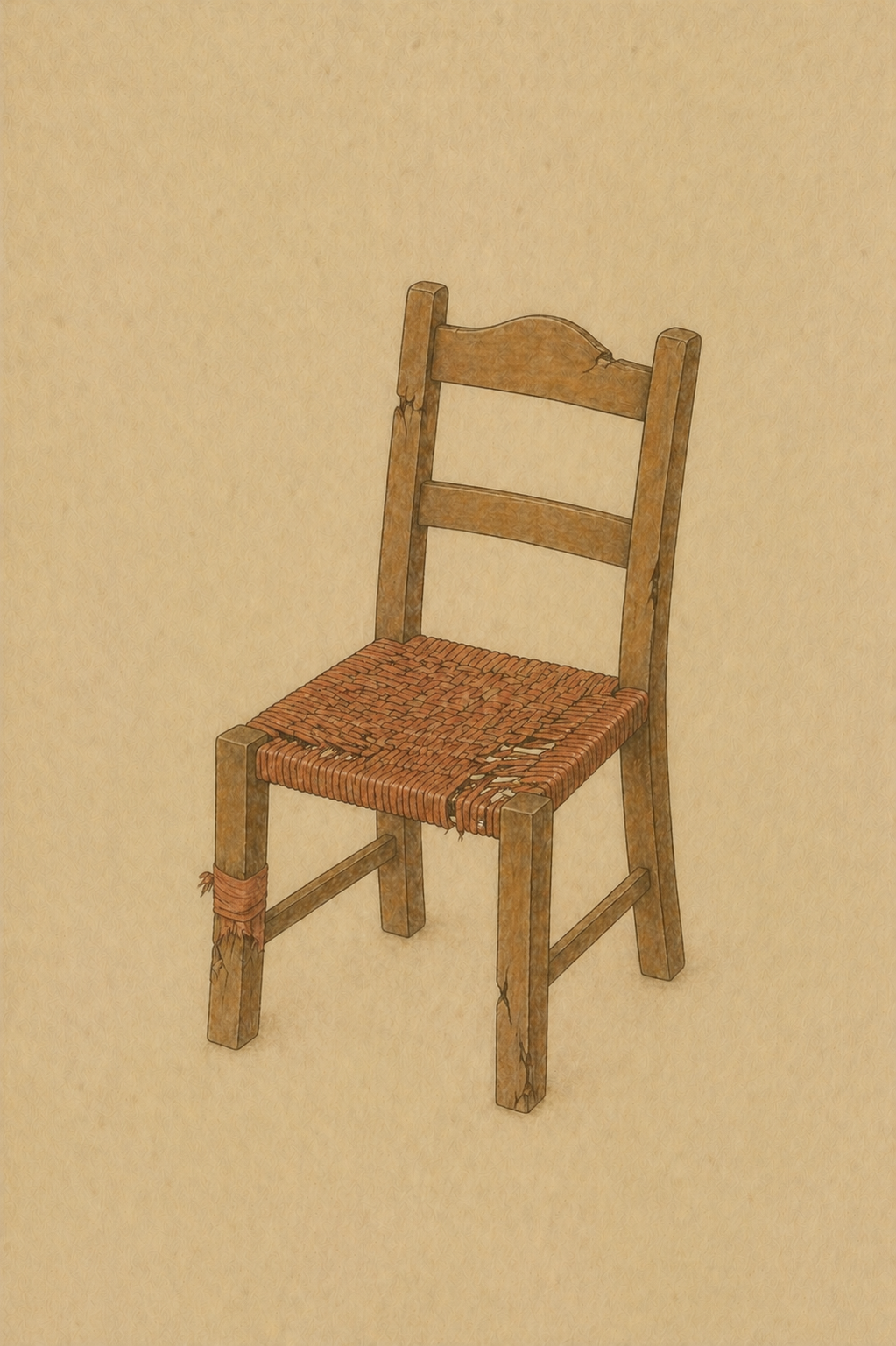
The accumulation of daily pressure
Unlike one-time stressors, work stress often accumulates through repeated exposure.
A simplified pattern may look like this:
- Work responsibilities increase.
- Recovery time between workdays decreases.
- Mental fatigue begins to build.
- Small challenges feel more demanding.
- Stress reactions appear more frequently.
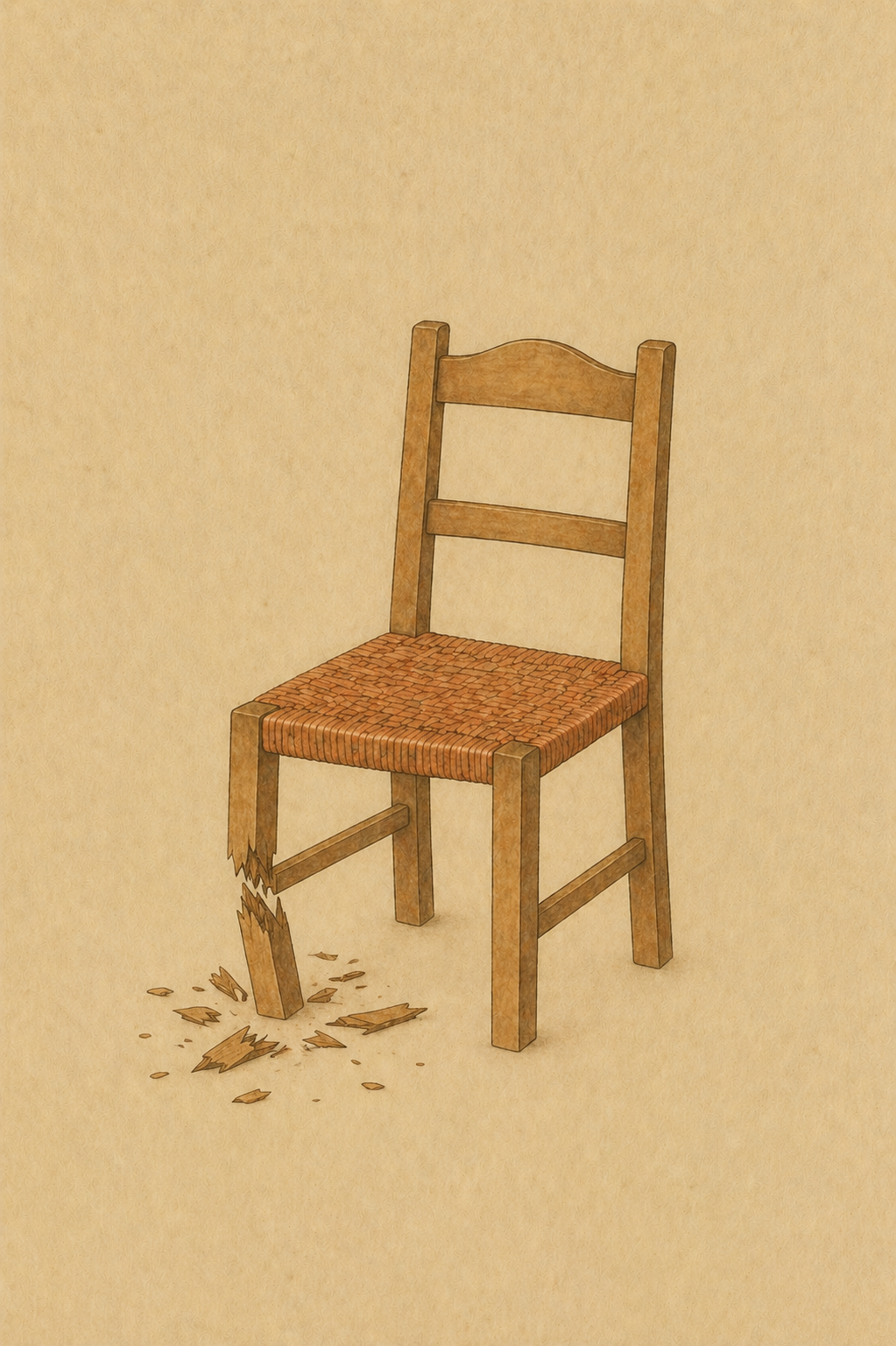
Over time, this accumulation can lead to sustained stress or burnout.
What people often misunderstand about work stress
Several beliefs can make work stress harder to address.
Stress is simply part of being successful
Pressure can accompany achievement, but chronic stress is not required for meaningful work.
If work feels stressful, I must be doing something wrong
Work stress often reflects systemic demands rather than personal weakness.
Hard work should always feel energizing
Even meaningful work can become stressful when demands remain high for long periods.
Taking a short break will solve the problem
Brief breaks can help temporarily, but persistent work stress often requires deeper adjustments.
What can help reduce work stress
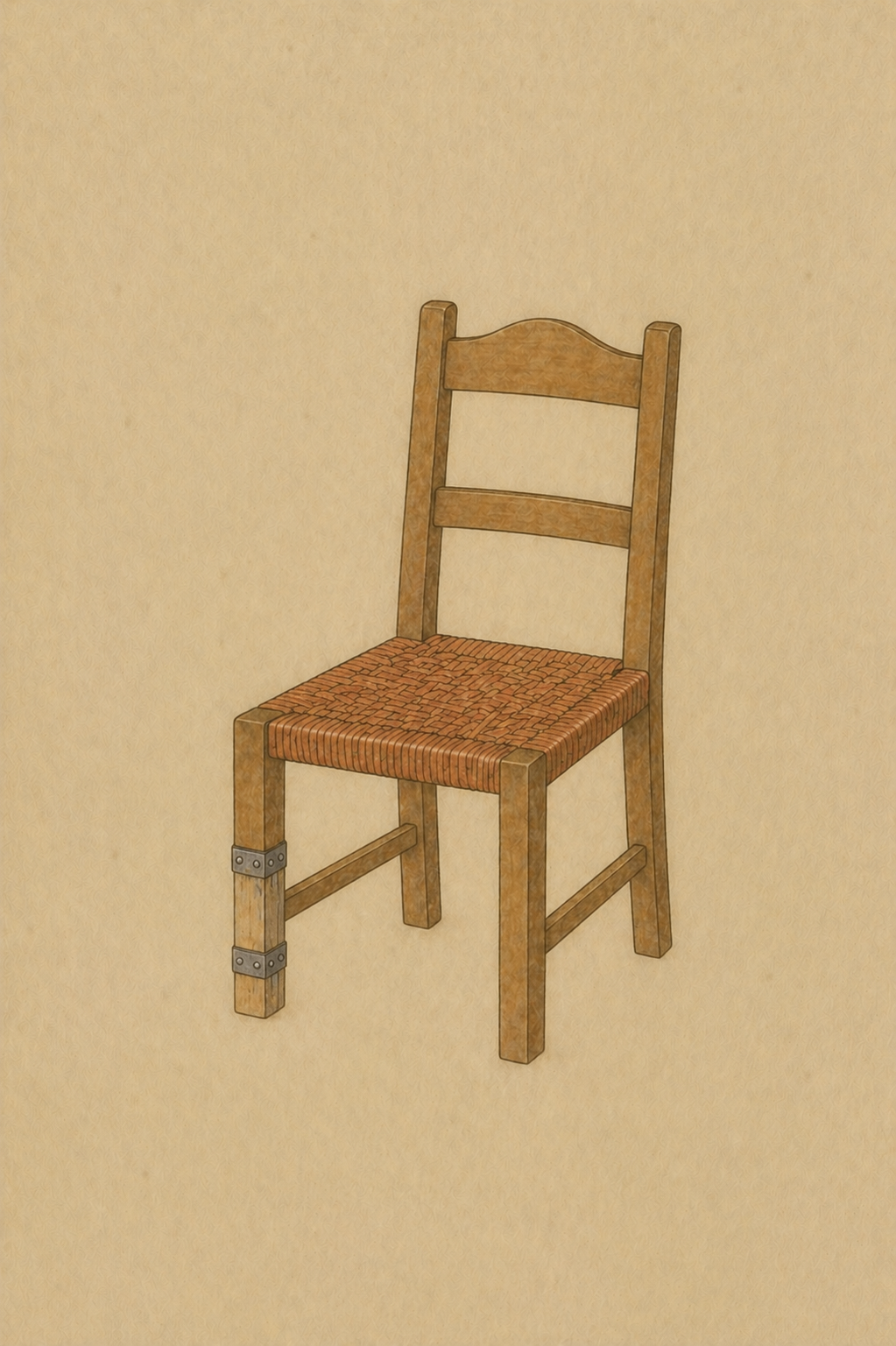
People often benefit from strategies that restore balance between work demands and recovery.
Helpful approaches may include:
clarifying priorities
Focusing on the most important tasks can reduce the pressure of competing demands.
creating clearer boundaries
Separating work time from recovery time helps protect mental energy.
strengthening recovery
Sleep, physical movement, and time away from work help restore emotional resilience.
improving communication
Discussing workload and expectations with colleagues or supervisors can sometimes reduce unnecessary pressure.
When professional support may help
Professional support may be helpful if work stress:
continues for long periods
interferes with sleep or health
leads to persistent anxiety or exhaustion
or begins to affect relationships and daily functioning
Mental health professionals, workplace support programs, or coaches can help people understand and manage sustained work-related stress.
References
Maslach, C., & Leiter, M. P. (2016). Burnout. Wiley.
Lazarus, R. S., & Folkman, S. (1984). Stress, Appraisal, and Coping. Springer.
Sonnentag, S., & Fritz, C. (2015). Recovery from job stress: The stressor–detachment model. Journal of Organizational Behavior, 36(S1).
World Health Organization. (2019). Burn-out an occupational phenomenon.