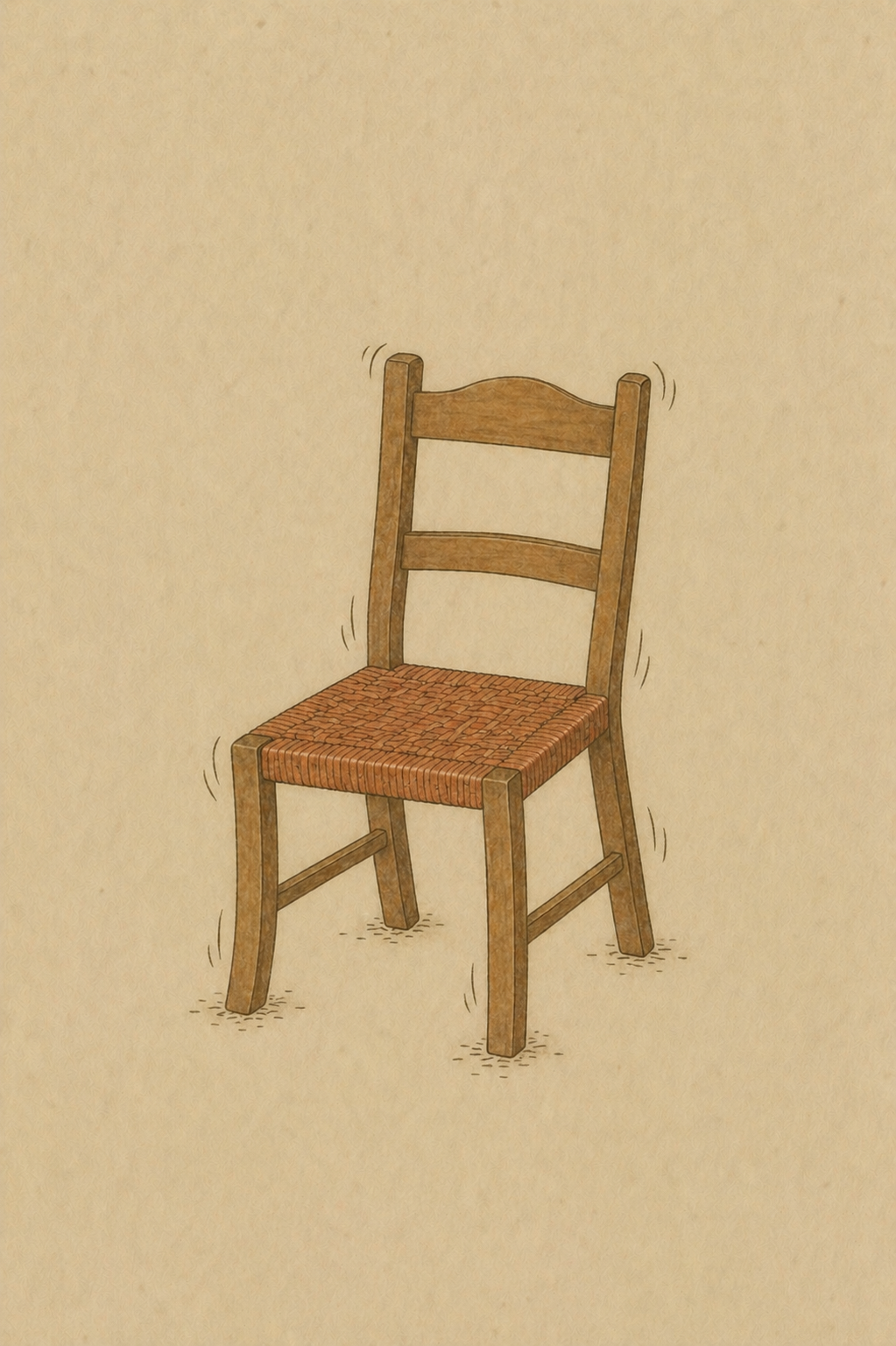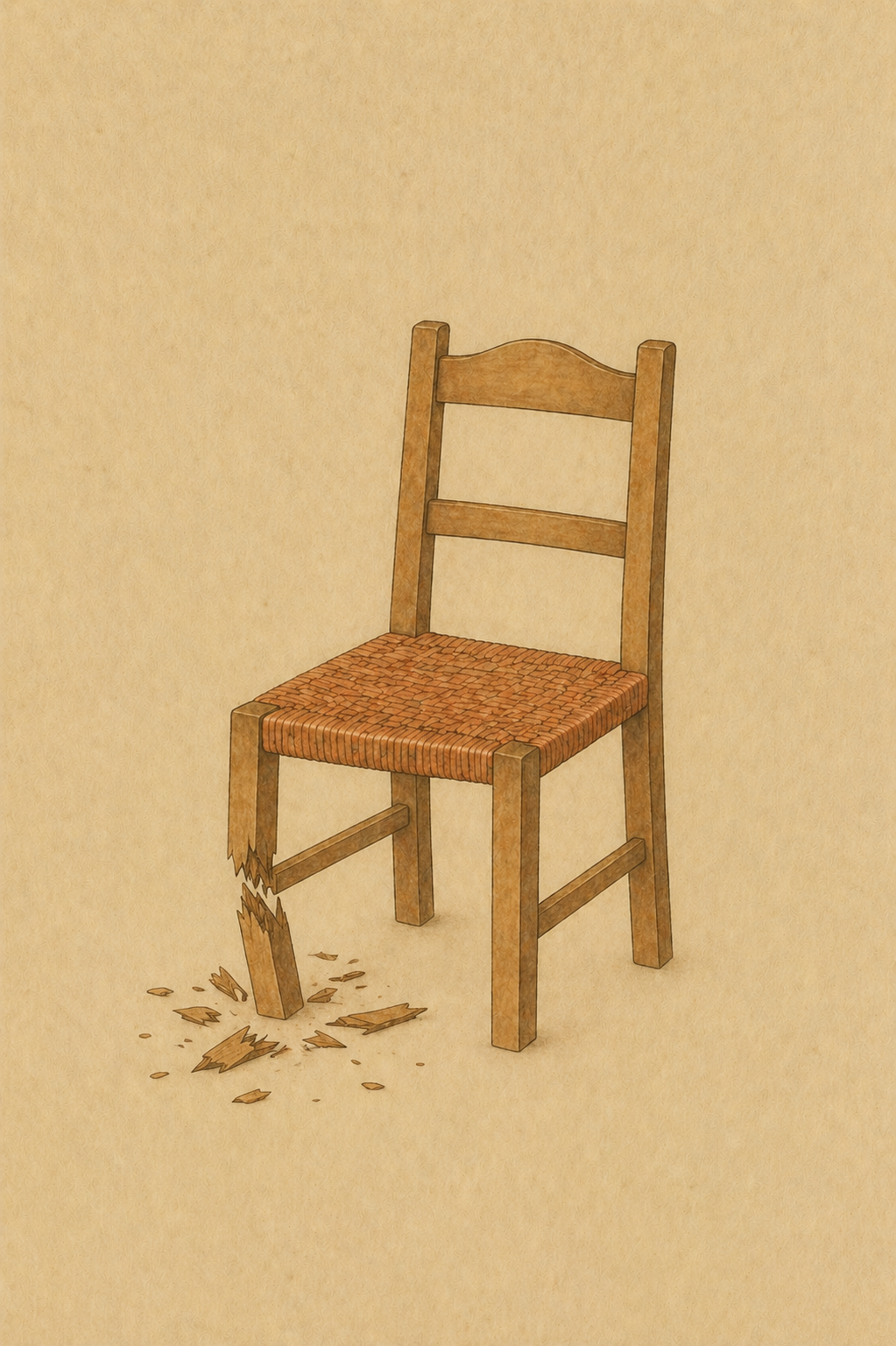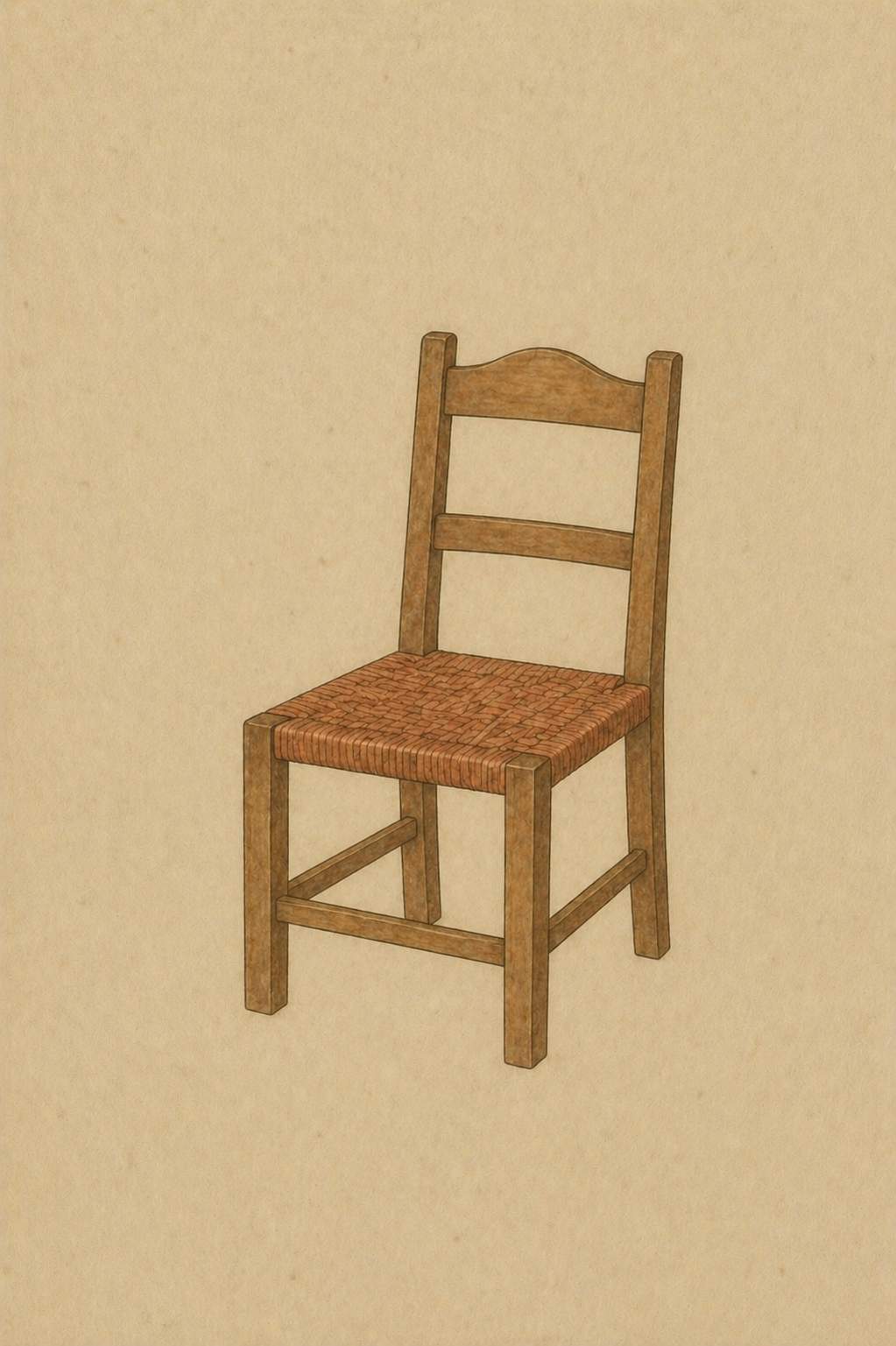

When productivity becomes an identity
In many modern workplaces, productivity is treated as a measure of dedication and success.
Working late, responding quickly to messages, and constantly taking on new responsibilities are often praised as signs of commitment. Over time, these expectations can become part of workplace culture.
This mindset is often called hustle culture.
Hustle culture encourages continuous output and the belief that success comes from always doing more. While ambition and effort can be valuable, the idea that people can sustain endless productivity does not match how human energy actually works.
What hustle culture often looks like
In environments shaped by hustle culture, people may notice patterns such as:
• long work hours becoming normal
• pressure to remain constantly available
• responding to messages late at night or on weekends
• taking pride in being busy or overwhelmed
• feeling guilty for resting or taking breaks
• measuring self-worth through productivity
These patterns often develop gradually as workplace expectations shift.
Why the idea of endless capacity is unrealistic
Human attention and energy operate in cycles.
People naturally move through periods of focus, fatigue, and recovery. These cycles allow the brain and body to restore energy.
When work demands ignore these limits, several things often happen.
Mental fatigue accumulates
Sustained concentration eventually reduces cognitive performance. Decision-making, attention, and creativity begin to decline.
Stress systems remain active
Long hours and constant pressure keep the body's stress response activated for extended periods.
Recovery time disappears
Without sufficient time away from work, the nervous system has fewer opportunities to reset.
Motivation gradually decreases
When effort continues without adequate recovery, enthusiasm and engagement often fade.
Why hustle culture can feel rewarding at first
Despite these risks, hustle culture can initially feel energizing.
Periods of intense effort may bring recognition, progress, or a sense of accomplishment. Adrenaline and urgency can temporarily increase focus and productivity.
However, these periods are usually sustainable only for short durations.
When intense work continues without recovery, fatigue often replaces the initial energy.
What people often misunderstand about productivity
Several beliefs reinforce hustle culture.
Working longer means achieving more
After a certain point, longer hours often reduce efficiency rather than increase it.
Rest is a sign of weakness
Rest and recovery are essential parts of sustained performance.
Successful people never slow down
Even high-performing individuals rely on periods of recovery to maintain long-term effectiveness.
If I can handle it now, I can handle it forever
Short bursts of intense work are common, but maintaining them continuously is rarely sustainable.
What sustainable productivity looks like
Work that remains sustainable over time often includes:
cycles of effort and recovery
Periods of focused work followed by rest help maintain energy and attention.
realistic expectations
Clear limits on workload and working hours help prevent chronic fatigue.
supportive work cultures
Teams that respect recovery and boundaries tend to maintain higher long-term productivity.
attention to personal capacity
Recognizing physical and mental limits helps prevent burnout.
When hustle culture leads to serious stress
Professional support may be helpful if constant work pressure:
creates persistent exhaustion
interferes with sleep or health
reduces motivation or enjoyment in work
or leads to symptoms of burnout
Mental health professionals, coaches, and workplace support programs can help people develop healthier relationships with work and productivity.
References
Maslach, C., & Leiter, M. P. (2016). Burnout. Wiley.
Sonnentag, S., & Fritz, C. (2015). Recovery from job stress: The stressor–detachment model. Journal of Organizational Behavior, 36(S1).
Lazarus, R. S., & Folkman, S. (1984). Stress, Appraisal, and Coping. Springer.
World Health Organization. (2019). Burn-out an occupational phenomenon.