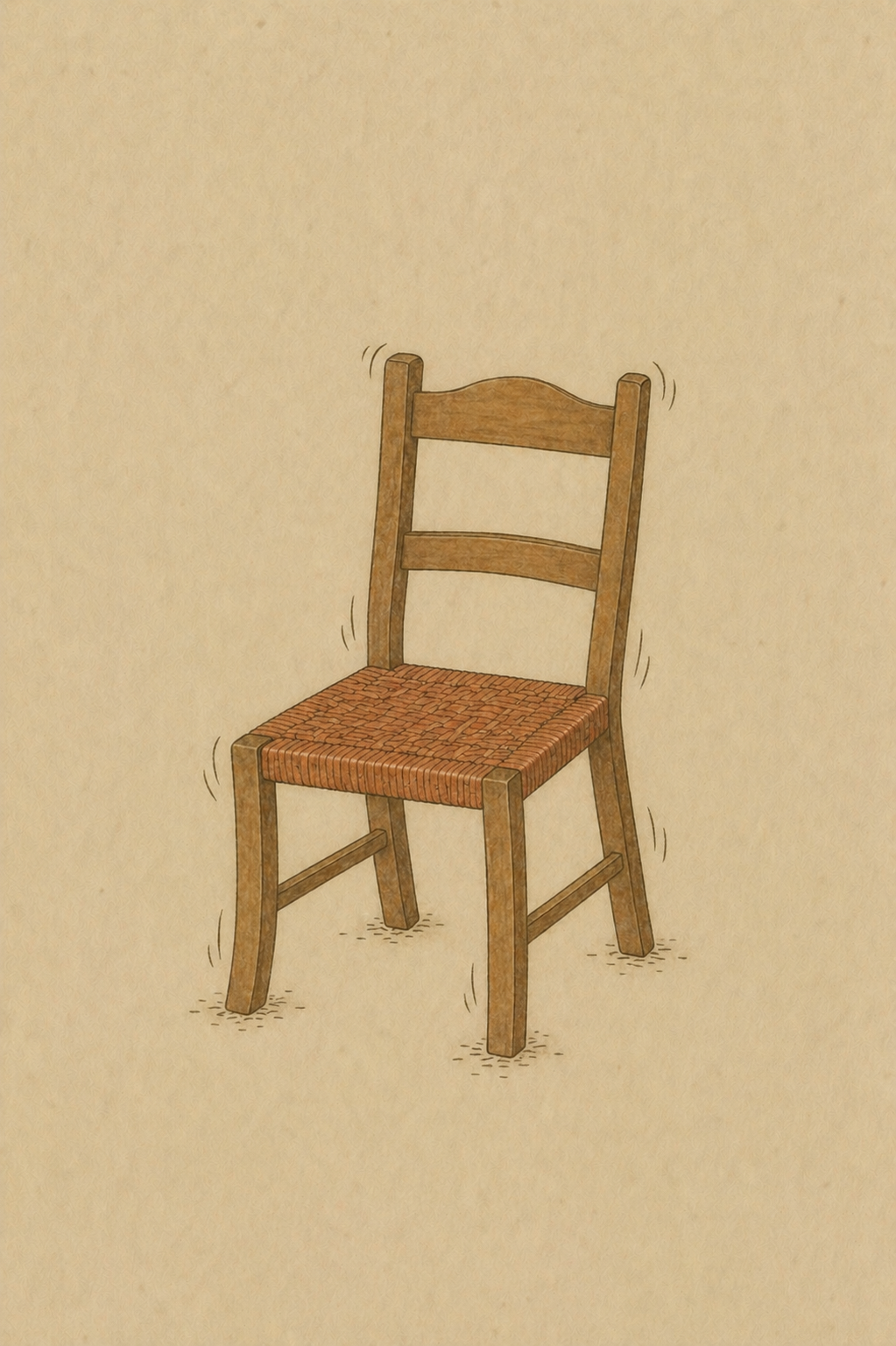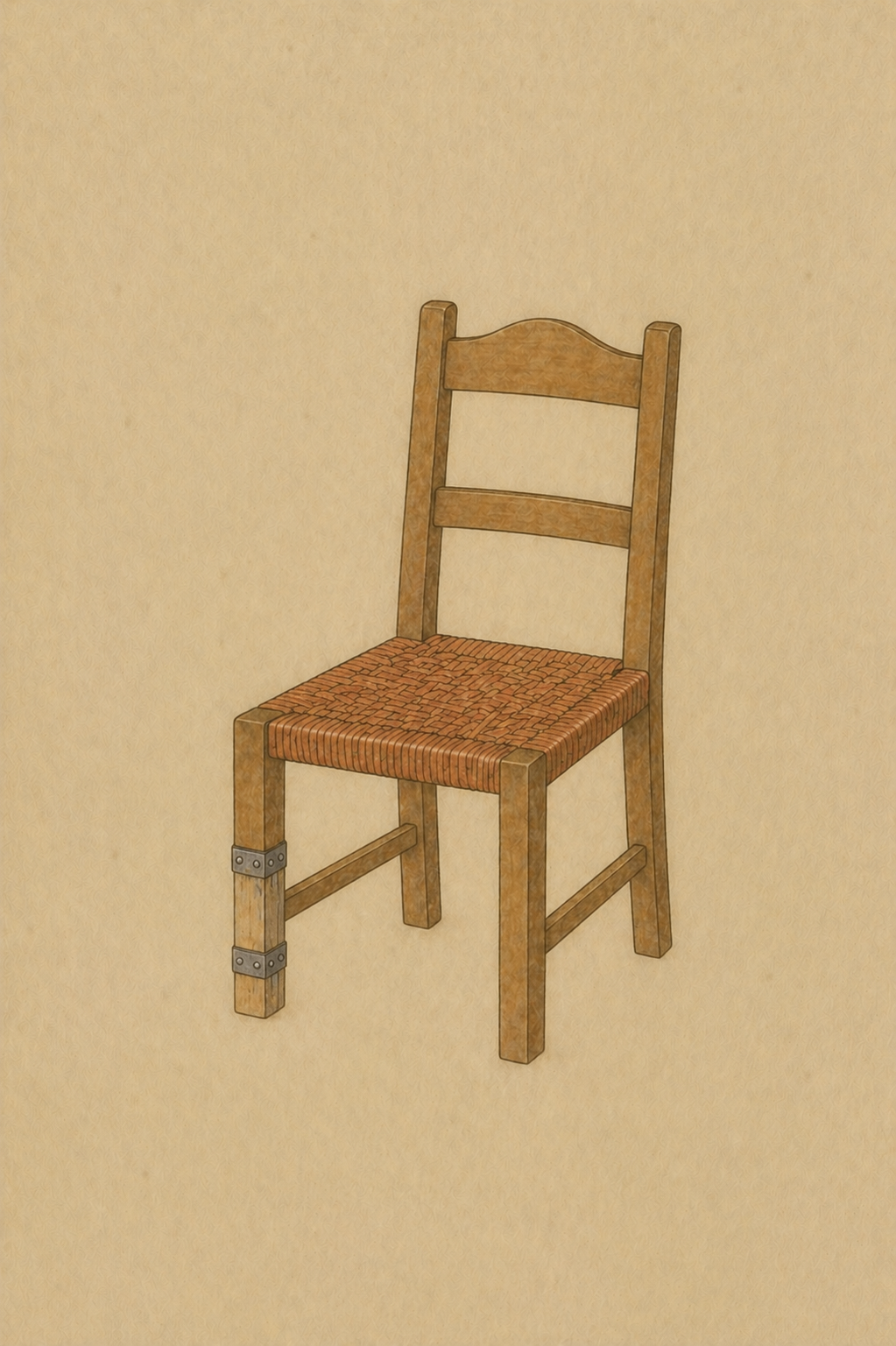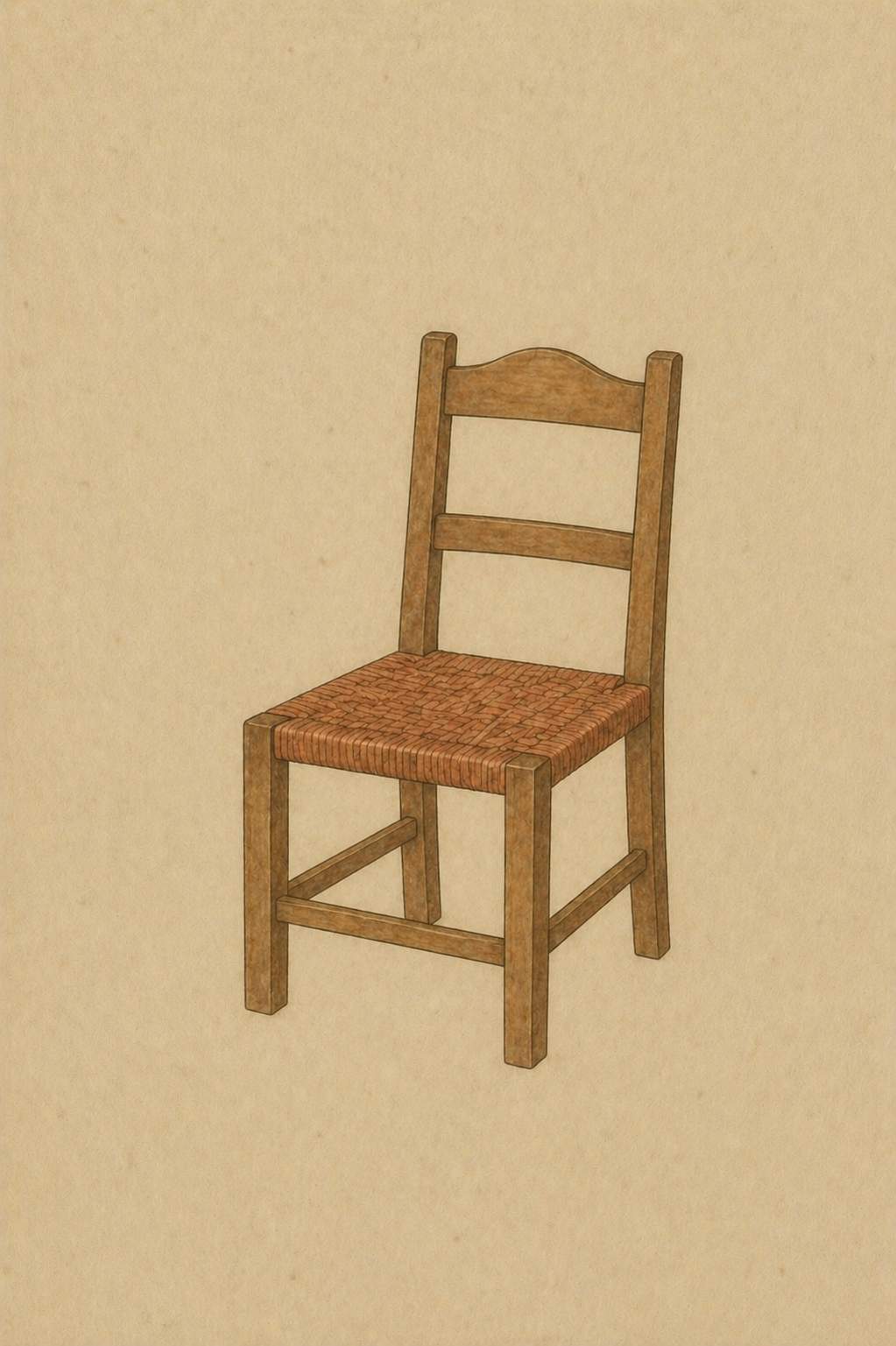
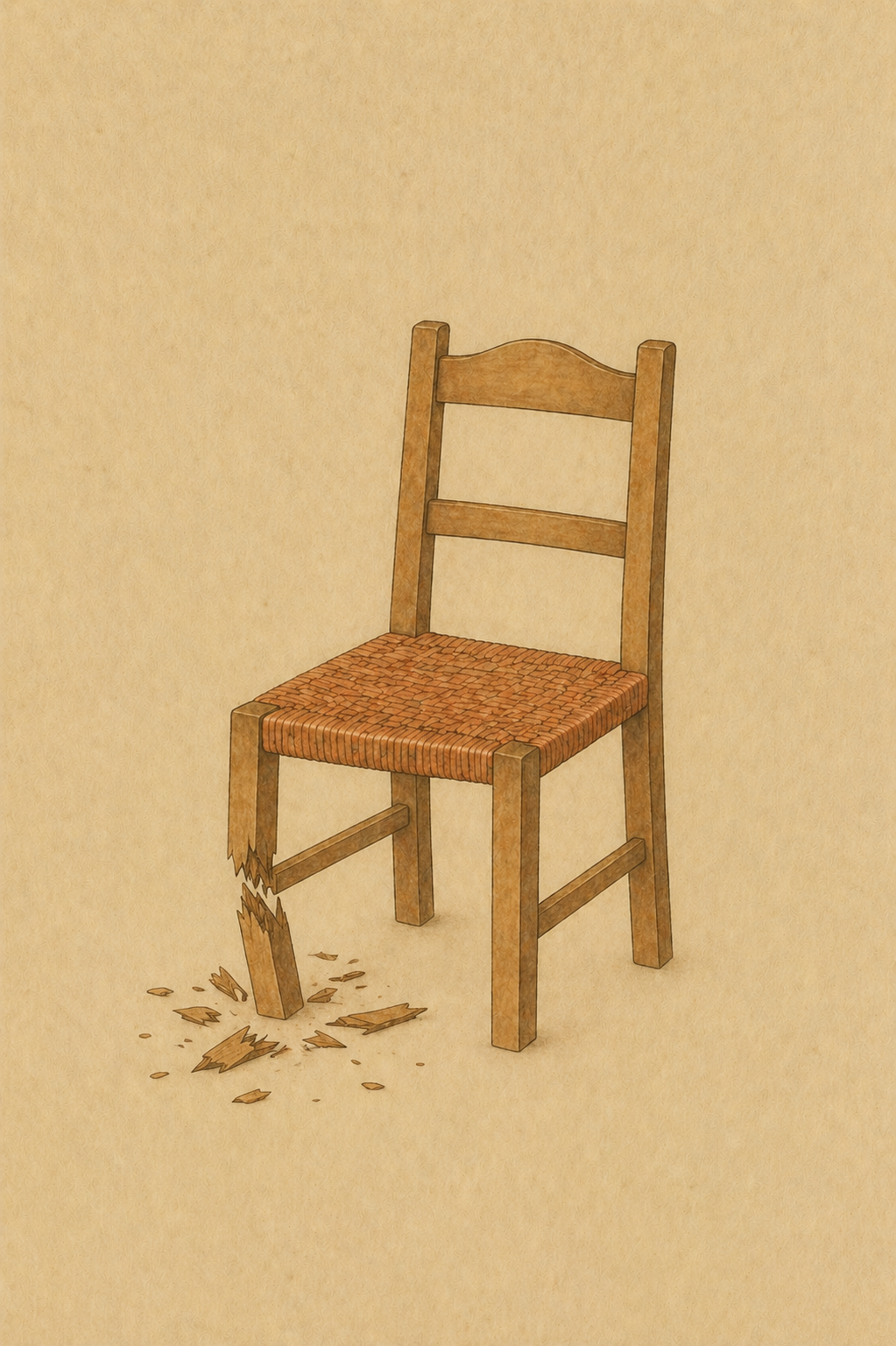
When dedication becomes exhaustion
Many people assume burnout happens mainly to those who are disengaged or struggling with their work.
In reality, burnout often appears among people who are deeply committed to what they do.
High performers typically care strongly about their work. They take responsibility seriously, hold themselves to high standards, and often go beyond what is expected.
These strengths can drive success, but they can also increase vulnerability to sustained stress.
What burnout can look like for high performers
When burnout develops in high-performing individuals, the early signs may be difficult to recognize.
Common experiences include:
• taking on increasing amounts of responsibility
• feeling pressure to maintain consistently high performance
• difficulty saying no to new tasks or opportunities
• working long hours to maintain quality
• thinking about work even outside working hours
• feeling increasingly exhausted despite continued effort
Because performance often remains strong for a long time, burnout may remain hidden until fatigue becomes severe.
Why high performers are especially vulnerable
Several characteristics that support high performance can also increase stress when demands remain high.
Strong responsibility
High performers often feel personally responsible for outcomes.
They may continue working longer or harder when problems arise.
High personal standards
People who aim for excellence may invest extra time refining work or solving problems thoroughly.
Difficulty disengaging
Motivation and commitment can make it harder to mentally disconnect from work after hours.
Increased expectations
Success often leads to additional responsibilities, promotions, or leadership roles.
Over time, these expectations may grow faster than recovery time.
The gradual path toward burnout
Burnout rarely appears suddenly.
It often develops through a gradual sequence:
- High performers take on increasing responsibility.
- Work hours and mental engagement increase.
- Recovery time becomes shorter.
- Fatigue begins to accumulate.
- Motivation and energy gradually decline.
Because high performers often continue functioning well during early stages, the signs may be overlooked.
What people often misunderstand about high performers and burnout
Several beliefs contribute to this pattern.
High performers can handle unlimited pressure
Strong capability does not eliminate the need for rest and recovery.
Passion protects people from burnout
Meaningful work can still create sustained stress when demands remain high.
Success means someone is coping well
Strong outward performance may hide internal exhaustion.
Burnout only happens to people who cannot manage stress
Burnout often occurs in individuals who manage stress for long periods without adequate recovery.
What helps prevent burnout among high performers
Preventing burnout often involves balancing ambition with recovery.
Helpful approaches may include:
recognizing personal limits
Acknowledging limits helps prevent continuous overload.
creating clear boundaries around work
Separating work time from recovery time allows mental systems to reset.
sharing responsibility
Delegating tasks and collaborating with others can reduce sustained pressure.
protecting recovery
Sleep, rest, and time away from work are essential for long-term performance.
When professional support may help
Professional support may be helpful if high work demands:
lead to persistent exhaustion
interfere with sleep or health
create feelings of cynicism or detachment from work
or reduce motivation despite continued effort
Mental health professionals, coaches, and workplace support programs can help individuals navigate high expectations while protecting their well-being.
References
Maslach, C., & Leiter, M. P. (2016). Burnout. Wiley.
Sonnentag, S., & Fritz, C. (2015). Recovery from job stress: The stressor–detachment model. Journal of Organizational Behavior, 36(S1).
Lazarus, R. S., & Folkman, S. (1984). Stress, Appraisal, and Coping. Springer.
World Health Organization. (2019). Burn-out an occupational phenomenon.