When anxiety starts feeding on itself
Many people experiencing anxiety describe a moment when things begin escalating quickly.
A small worry appears. The mind begins imagining possible problems. Physical tension increases. The thoughts become faster and more urgent.
Soon the anxiety feels much bigger than the situation that started it.
This experience is often called an anxiety spiral.
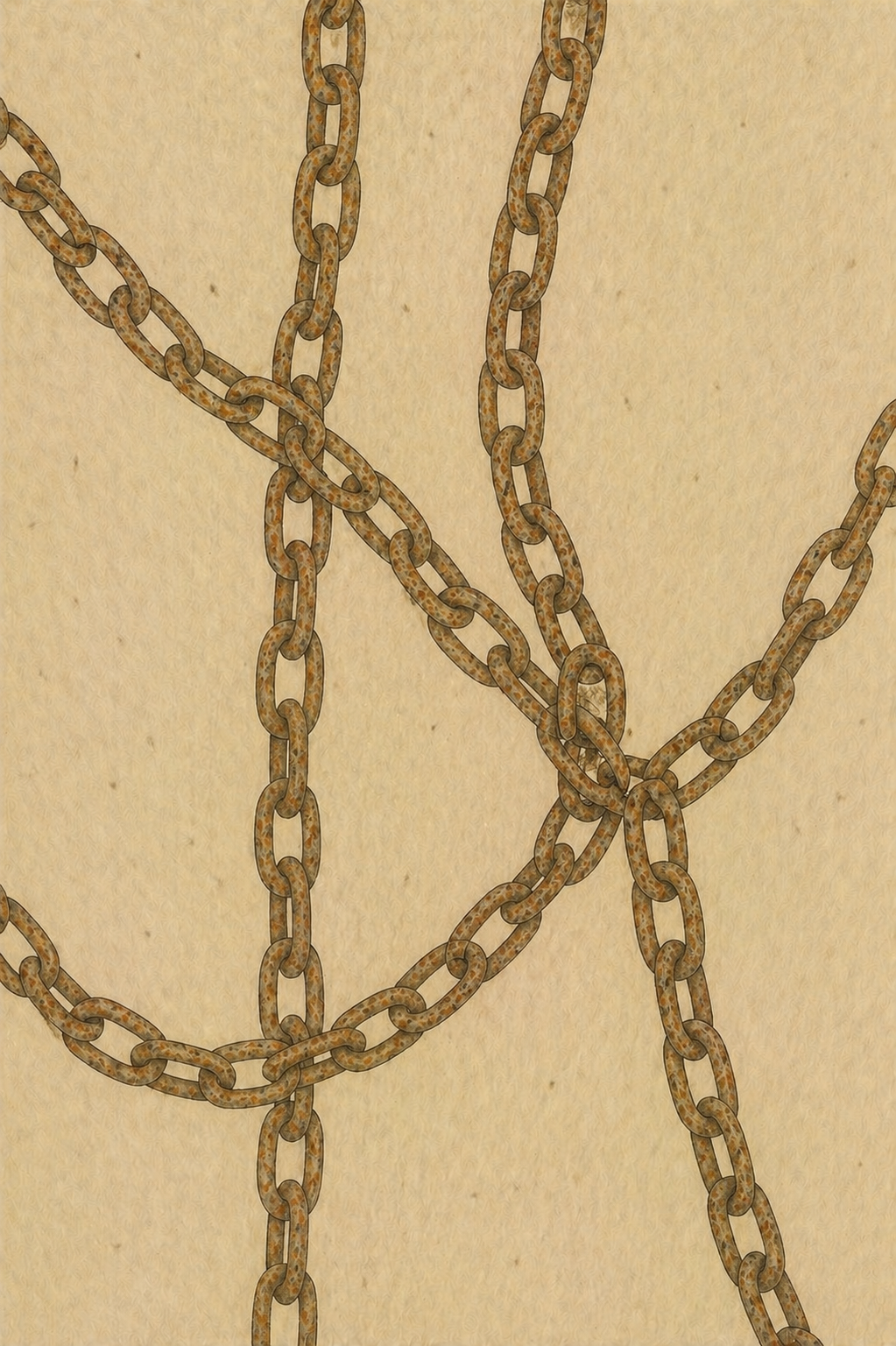
An anxiety spiral happens when thoughts, body reactions, and attention begin reinforcing each other. Each part of the experience makes the next one stronger.
Understanding how this spiral develops can make it easier to interrupt.
What an anxiety spiral feels like
When an anxiety spiral begins, people often notice several things happening at once.
Common experiences include:
• rapidly escalating worry
• imagining worst-case scenarios
• difficulty focusing on anything else
• increased heart rate or tightness in the chest
• a strong urge to escape the situation
• feeling as if the anxiety is getting out of control
The speed of the escalation can make the experience feel overwhelming.
It may seem as if the anxiety appeared suddenly, even though it usually began with a small trigger.
How the spiral begins
An anxiety spiral often starts with a single moment of uncertainty or discomfort.
For example:
• noticing a physical sensation in the body
• worrying about something that might happen
• recalling a stressful situation
• facing an uncertain decision
The brain's threat detection system becomes alert and begins scanning for possible danger.
This increases attention on the potential problem.
The more attention focuses on the threat, the stronger the anxiety can become.
The spiral cycle
Once anxiety begins increasing, several processes start reinforcing each other.
A simplified version of the spiral may look like this:
- A trigger creates uncertainty.
- The body activates the stress response.
- Physical sensations appear.
- The mind interprets the sensations as danger.
- Worrying thoughts increase.
- Attention focuses more intensely on the threat.
This cycle can repeat quickly, making the anxiety feel as if it is growing uncontrollably.
Why spirals feel so powerful
Several factors make anxiety spirals difficult to stop.
Attention becomes locked on the threat
When the brain believes something might be dangerous, attention narrows.
This makes it harder to shift focus away from the anxious thoughts.
Physical sensations increase the sense of danger
Body sensations such as a racing heart or dizziness can feel alarming.
The mind may interpret them as signs that something is seriously wrong.
The mind tries to solve the problem immediately
The brain attempts to think its way out of the anxiety by imagining possible outcomes.
This thinking often generates even more scenarios.
What people often misunderstand about anxiety spirals
Several beliefs can make spirals more frightening.
The spiral means something bad is about to happen
The sensations and thoughts during an anxiety spiral are part of the body's stress response.
They do not mean danger is actually present.
Anxiety spirals will continue forever
Although they can feel intense, anxiety spirals usually peak and then begin to settle.
The nervous system cannot remain at maximum activation indefinitely.
I need to eliminate the anxiety immediately
Trying to force anxiety to disappear can sometimes increase the struggle.
Learning how to interrupt the cycle gently often works better.
Ways to interrupt the spiral
Interrupting an anxiety spiral often involves shifting one part of the cycle.
Small changes in body, attention, or behaviour can weaken the feedback loop.
Grounding attention
Focusing on sensory details in the environment can help shift attention away from the spiral.
Examples include noticing sounds, textures, or objects in the room.
Slowing the breath
Deliberately slowing breathing can help regulate the nervous system and reduce physical arousal.
Moving the body
Walking, stretching, or light physical movement can release some of the tension created by the stress response.
Naming the experience
Recognizing that an anxiety spiral is happening can sometimes create a small sense of distance from the thoughts.
Allowing the wave to pass
Anxiety tends to rise and fall.
Allowing the experience to move through the body without fighting it can help it settle more quickly.
When professional help may be useful
Professional support may be helpful if anxiety spirals:
happen frequently
lead to panic attacks
cause significant avoidance of situations
interfere with daily functioning
Mental health professionals can help people learn skills to interrupt anxiety cycles and reduce their intensity over time.
References
Barlow, D. H. (2002). Anxiety and Its Disorders. Guilford Press.
Craske, M. G., et al. (2017). Anxiety disorders. Nature Reviews Disease Primers, 3.
LeDoux, J. (2015). Anxious: Using the Brain to Understand and Treat Fear and Anxiety. Viking.
American Psychiatric Association. (2022). Diagnostic and Statistical Manual of Mental Disorders, Fifth Edition, Text Revision.