Why work stress is so common
Work occupies a large portion of adult life.
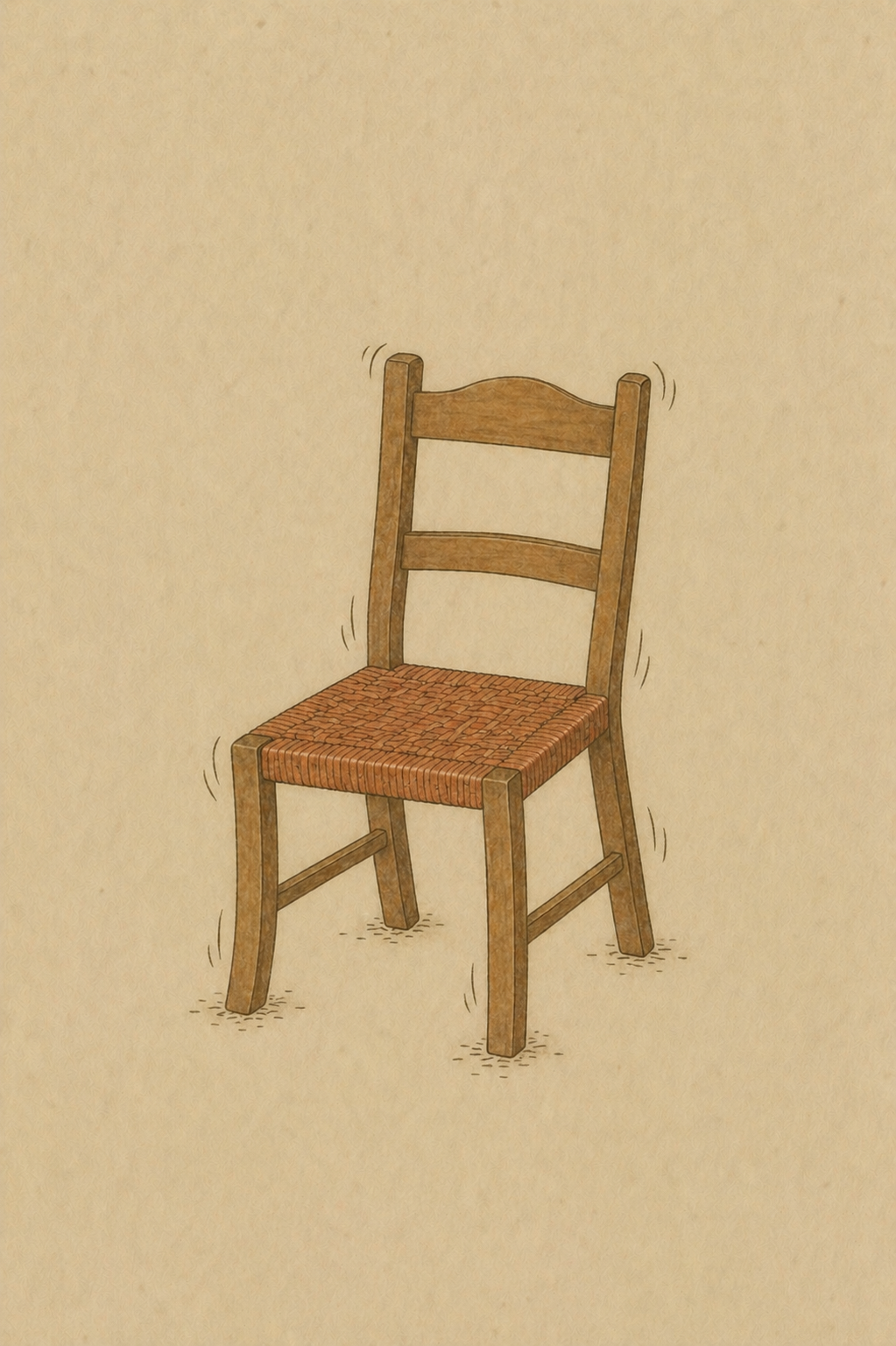
For many people, it provides structure, income, identity, and a sense of purpose. At the same time, work environments often include deadlines, expectations, responsibility, and social dynamics that can create sustained pressure.
Because of this combination, work has become one of the most common sources of ongoing stress.
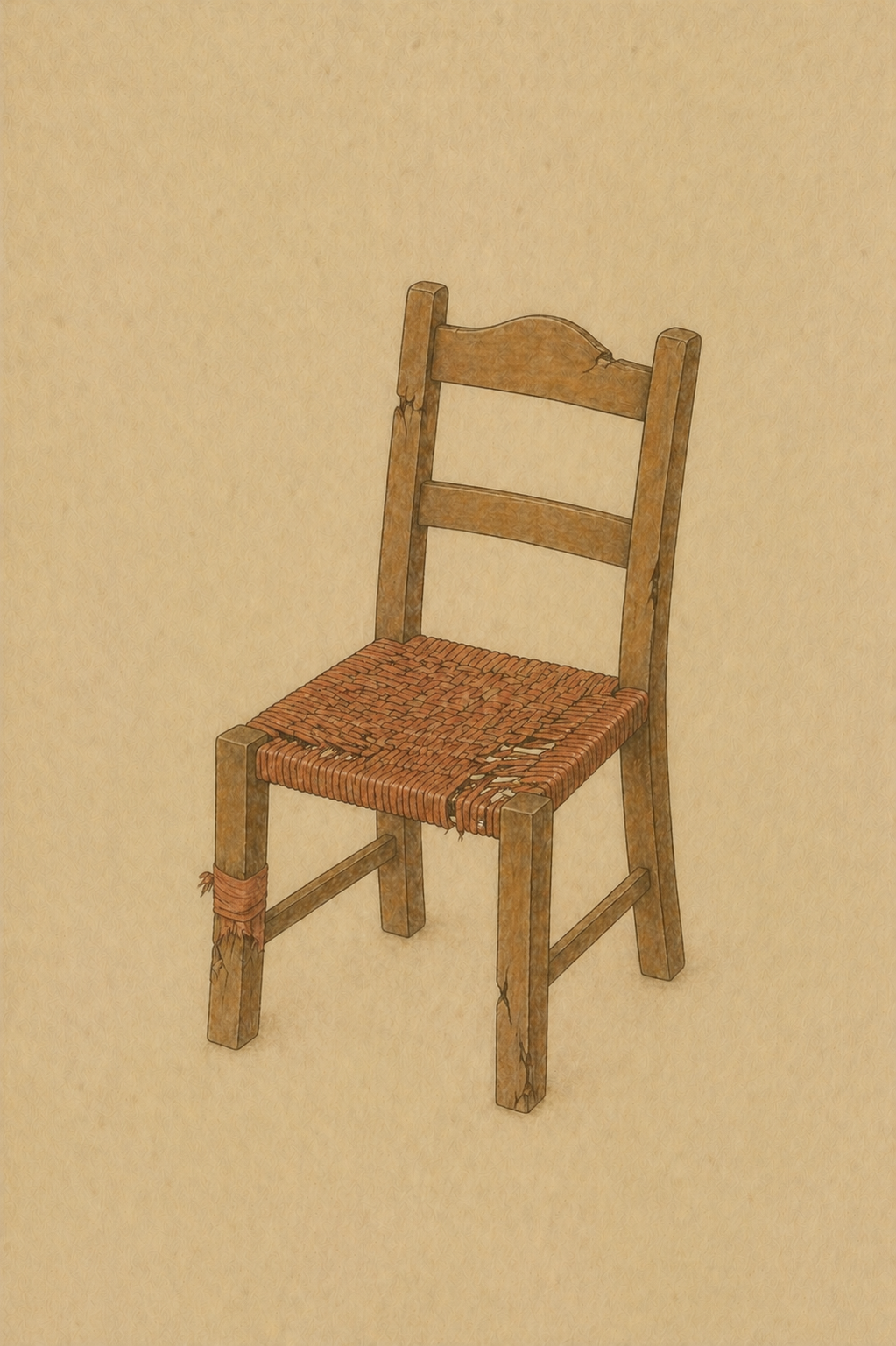
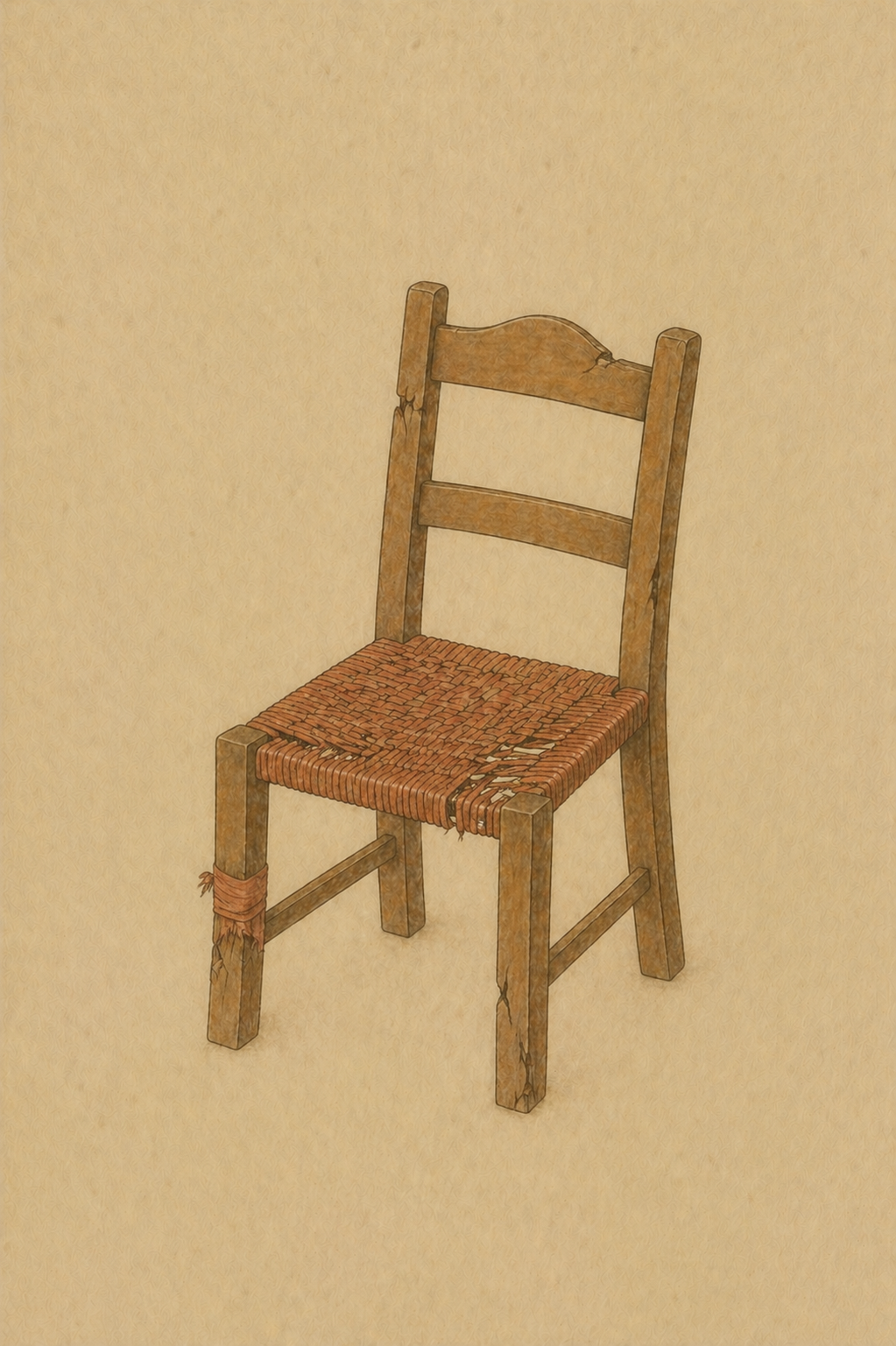
Work stress does not always come from dramatic events. More often, it builds gradually through daily demands, competing responsibilities, and limited recovery time.
Understanding how work stress develops can make it easier to recognize when pressure is beginning to affect well-being.
What work stress often feels like
Work stress can appear in many forms. People experiencing sustained pressure at work often notice patterns such as:
• feeling mentally overloaded by tasks and responsibilities
• difficulty switching off from work after the day ends
• thinking about work late into the evening
• feeling physically tense during the workday
• irritability or impatience with colleagues or clients
• reduced motivation or enjoyment in work that once felt meaningful
These experiences may appear gradually, making them difficult to notice at first.
Why work stress affects people so strongly
Work stress can feel especially intense because it involves several important parts of life at once.
Responsibility
Many jobs involve responsibility for outcomes, deadlines, or other people's expectations.
Even when the work itself is manageable, the sense of responsibility can create ongoing mental pressure.
Identity and self-worth
Work often becomes connected to personal identity.
Success or difficulty at work may feel like a reflection of personal ability or value, which can intensify emotional reactions.
Limited control
In many workplaces, people have limited control over workload, deadlines, or organizational decisions.
When demands remain high but control is low, stress often increases.
Continuous exposure
Unlike short-term stressors, work stress can occur repeatedly every day.
This constant exposure makes it harder for the nervous system to fully recover.
How work stress develops over time
Work stress rarely appears suddenly.
It often develops through a gradual process:
- Responsibilities and expectations increase.
- Time pressure begins to accumulate.
- Recovery time between workdays becomes shorter.
- Mental and physical fatigue increases.
- Stress reactions become more frequent.
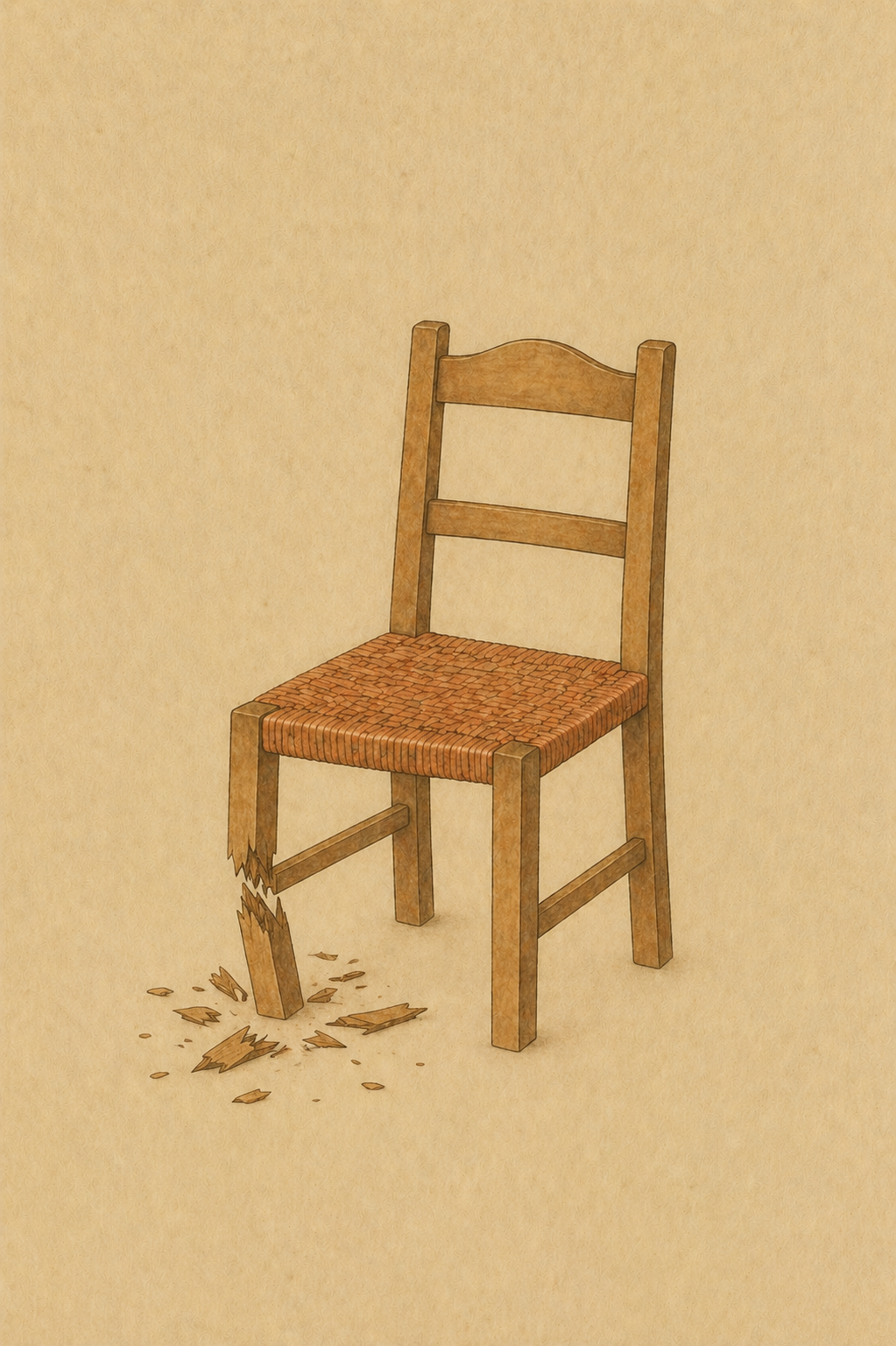
Over time, this accumulation of pressure can lead to sustained stress or burnout.
What people often misunderstand about work stress
Several beliefs can make work stress more confusing or difficult to address.
Stress means someone is not strong enough
Stress responses are part of the body's normal reaction to sustained demands.
Even highly capable people can experience work stress when pressure remains high.
Work stress only comes from heavy workloads
Work stress can also arise from unclear expectations, interpersonal conflict, lack of control, or emotional demands.
If work is meaningful, it should not feel stressful
Work that feels meaningful can still involve pressure and responsibility.
Purpose and stress often coexist.
Taking a break should fix everything
Short breaks can help temporarily, but sustained work stress often requires changes in workload, boundaries, or expectations.
What helps reduce work stress
Managing work stress often involves both individual and environmental factors.
Helpful approaches may include:
clarifying priorities
Focusing attention on the most important responsibilities can reduce mental overload.
creating boundaries between work and recovery
Allowing time away from work helps the nervous system reset.
improving communication
Discussing workload, expectations, or constraints can sometimes reduce unnecessary pressure.
restoring recovery time
Sleep, movement, and social connection help counterbalance prolonged stress.
When work stress may need additional support
Professional support may be helpful if work stress:
continues for long periods
interferes with sleep or health
creates persistent anxiety or exhaustion
or leads to feelings of burnout
Mental health professionals, coaches, or workplace support programs can help people understand work-related stress patterns and develop strategies for managing them.
References
Maslach, C., & Leiter, M. P. (2016). Burnout. Wiley.
Lazarus, R. S., & Folkman, S. (1984). Stress, Appraisal, and Coping. Springer.
Sonnentag, S., & Fritz, C. (2015). Recovery from job stress: The stressor–detachment model. Journal of Organizational Behavior, 36(S1).
World Health Organization. (2019). Burn-out an occupational phenomenon.