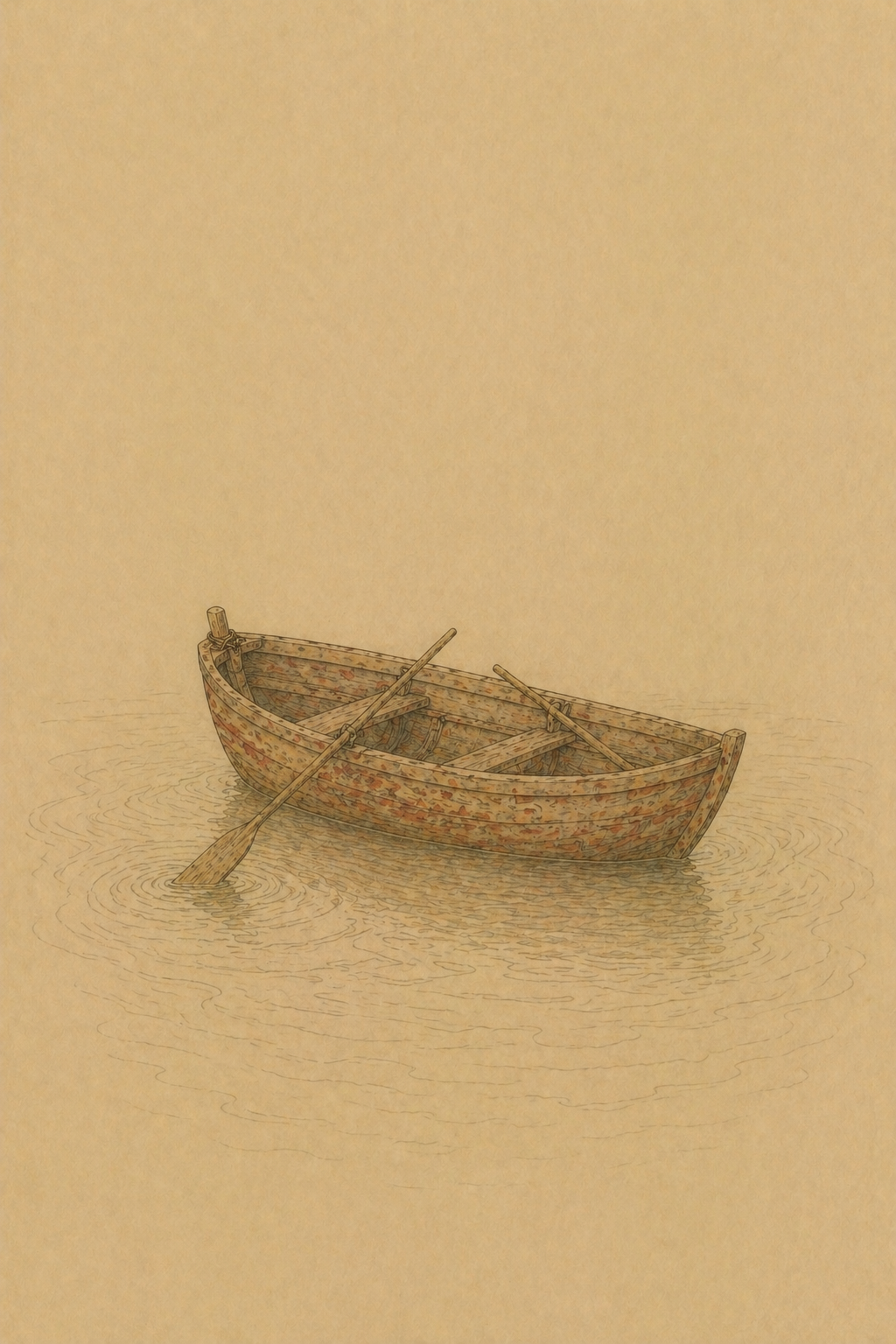
When the day feels too heavy
During depression, even ordinary days can feel difficult.
Tasks that once felt routine may require much more effort. Getting out of bed, preparing food, answering messages, or completing work can feel exhausting before the day has even begun.
When this happens, the goal often shifts. Instead of trying to function exactly as before, the focus becomes getting through the day with the least possible strain.
This shift is not about lowering standards permanently. It is about recognizing that depression temporarily changes how energy, attention, and motivation function.
Why ordinary days feel so demanding
Depression affects several systems that normally support daily functioning.
Energy levels may drop. Concentration may become harder. Motivation may weaken. Emotions may feel muted or heavy.
Because these systems interact, even small tasks can feel disproportionately difficult.
A simple sequence of activities that once happened automatically may now require careful effort.
What helps make days more manageable
When energy is limited, small adjustments can reduce pressure.
focus on the next small step
Instead of thinking about everything that needs to happen, attention can shift to the next immediate task.
Getting out of bed, taking a shower, or preparing one meal may be enough for the moment.
simplify expectations
During difficult periods, it may help to reduce daily goals to essential tasks.
Completing a few manageable activities can prevent the day from feeling overwhelming.
create gentle structure
A simple daily structure can help guide the day when motivation is low.
Regular sleep times, meals, and a small number of planned activities provide stability.
take breaks without guilt
Resting between activities allows energy to recover.
Short pauses during the day can help prevent exhaustion from building too quickly.
Why small actions matter
Small actions may seem insignificant, but they can play an important role during depression.
Each completed task provides a small signal to the brain that action is still possible. Over time, these small steps can gradually rebuild momentum.
Progress during depression rarely appears as sudden improvement. More often it appears as small moments of movement through the day.
What people often misunderstand about daily functioning in depression
Several beliefs can increase pressure during difficult periods.
The day should look the same as before
Depression temporarily changes capacity. Expecting identical performance can create unnecessary stress.
Only big achievements count
During depression, small actions often represent meaningful progress.
If I cannot complete everything, I have failed
Partial progress still matters.
Rest means giving up
Rest can help preserve the limited energy needed to continue functioning.
What support can look like during difficult days
Support from others can make daily functioning easier.
Helpful forms of support may include:
• practical help with tasks
• patient understanding from family or colleagues
• flexible expectations during difficult periods
• encouragement that focuses on small progress
Feeling understood often reduces the additional stress that depression can create.
When professional support may help
Professional support may be helpful if daily functioning becomes very difficult.
This may include situations where someone:
• struggles to complete basic self-care
• finds it difficult to leave bed most days
• feels overwhelmed by ordinary responsibilities
• experiences persistent hopelessness or despair
Mental health professionals can help people develop strategies for managing depression and restoring daily functioning.
References
American Psychiatric Association. (2022). Diagnostic and Statistical Manual of Mental Disorders, Fifth Edition, Text Revision.
Beck, A. T. (1979). Cognitive Therapy of Depression. Guilford Press.
Nutt, D., Demyttenaere, K., Janka, Z., et al. (2007). The other face of depression: reduced positive affect. European Neuropsychopharmacology, 17(5), 317–327.
World Health Organization. (2017). Depression and other common mental disorders.