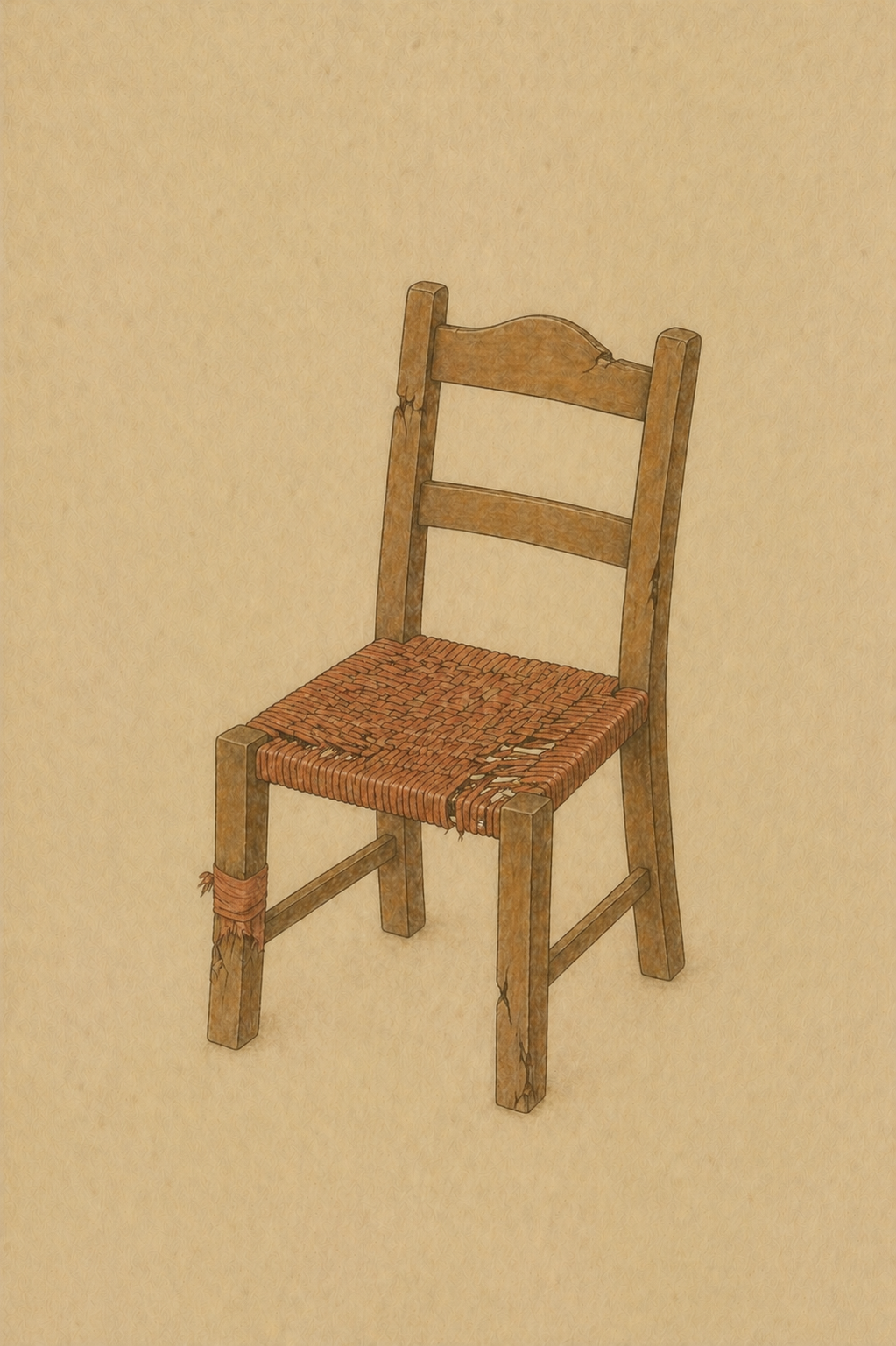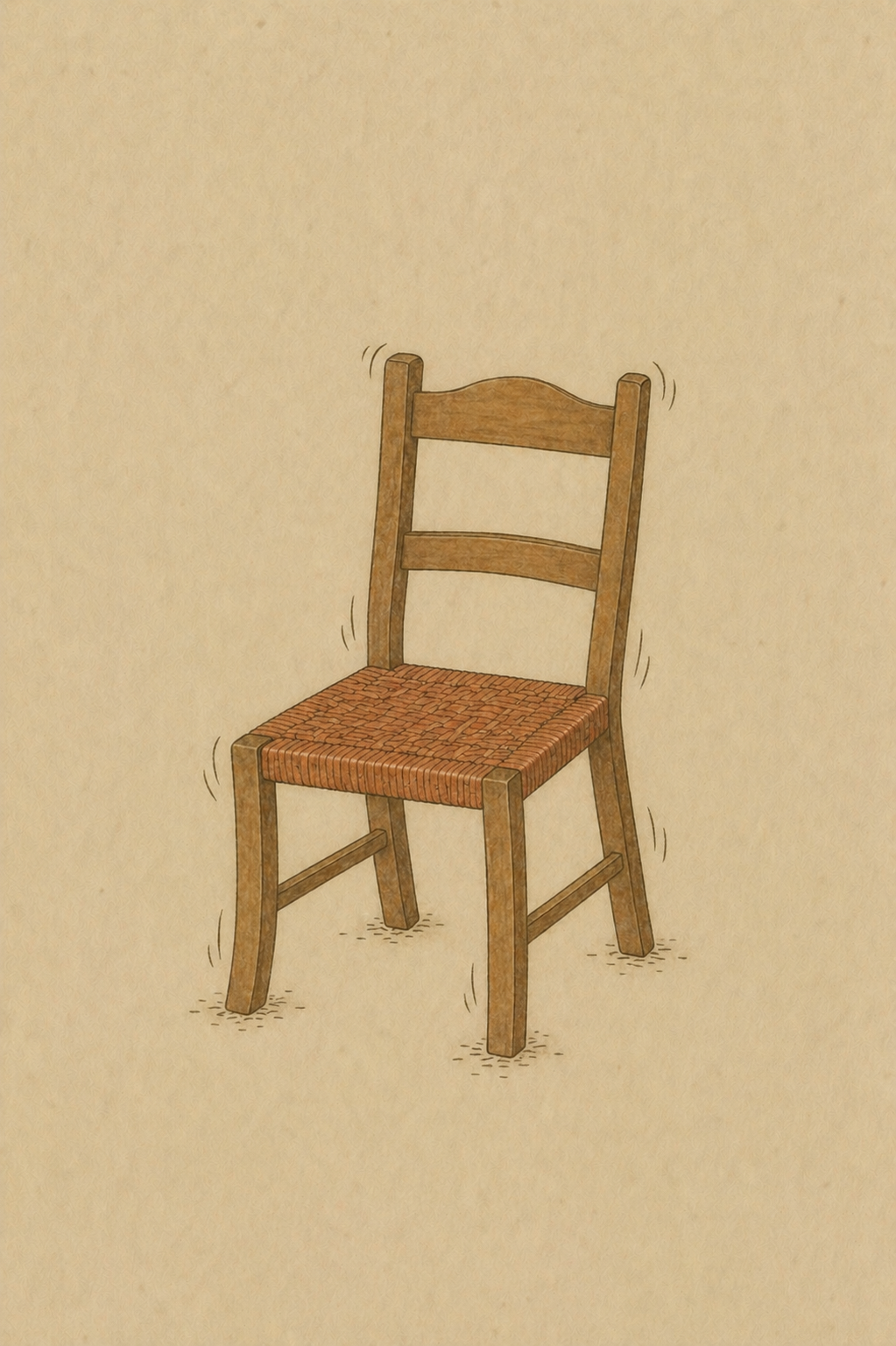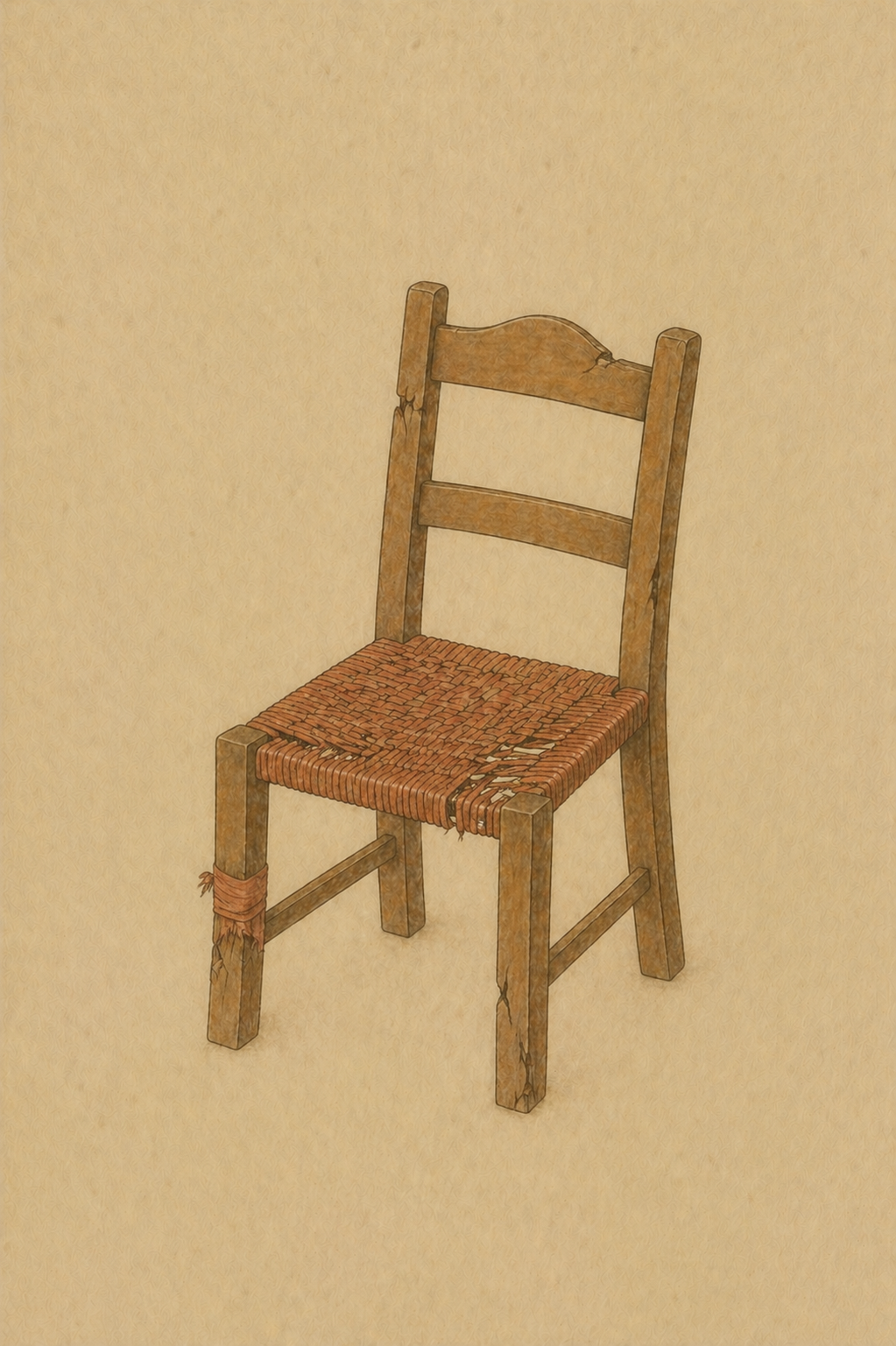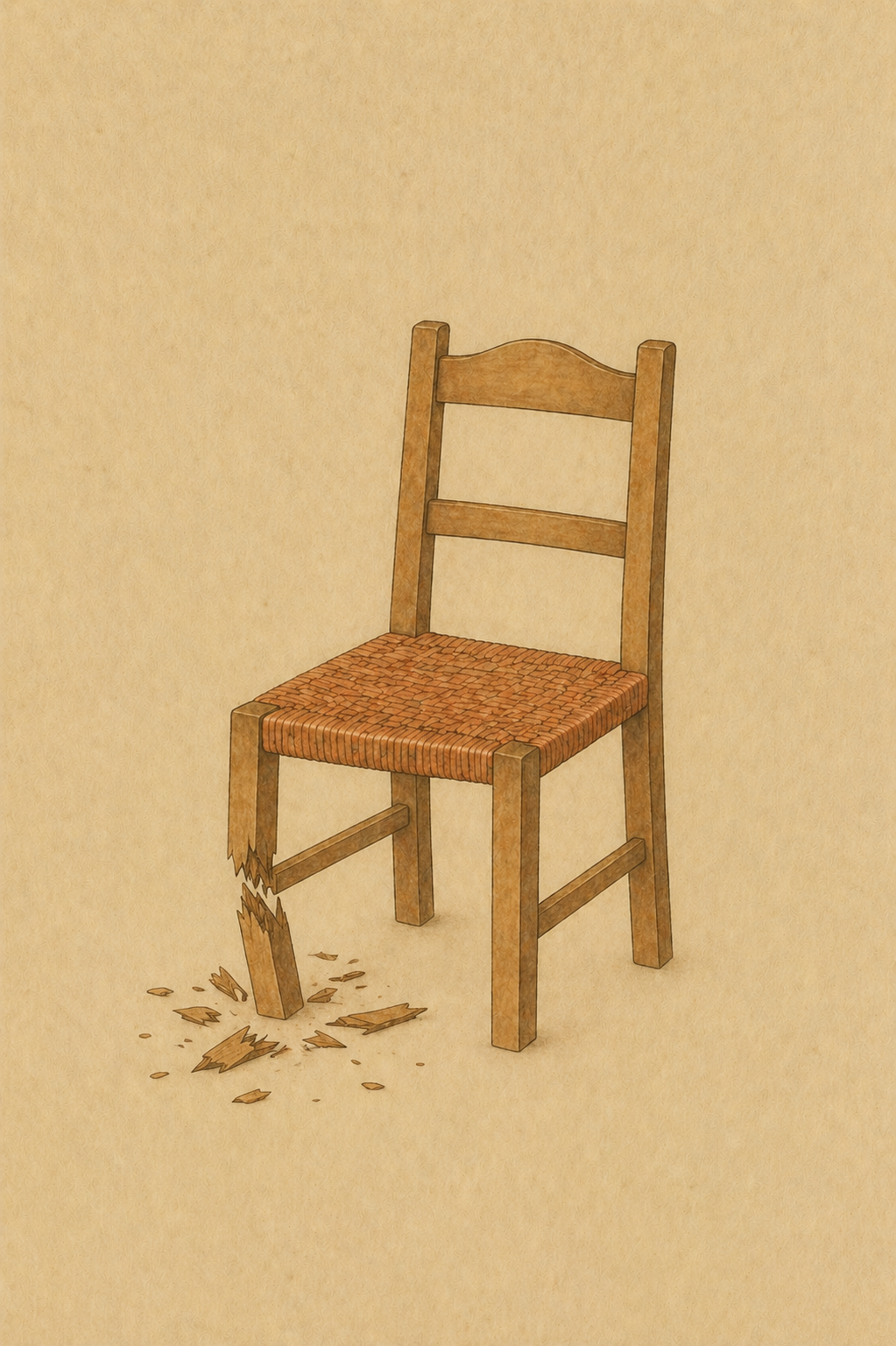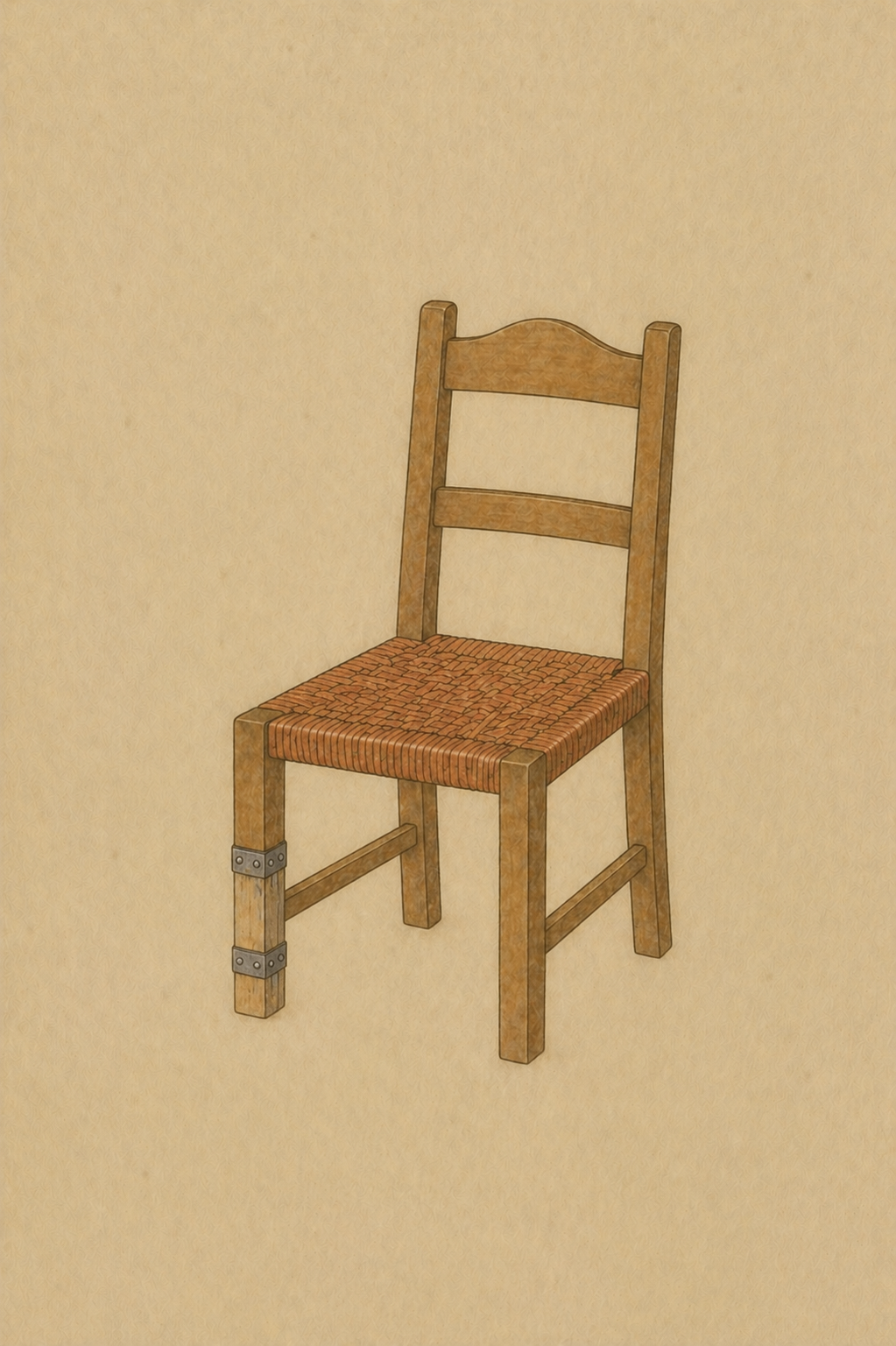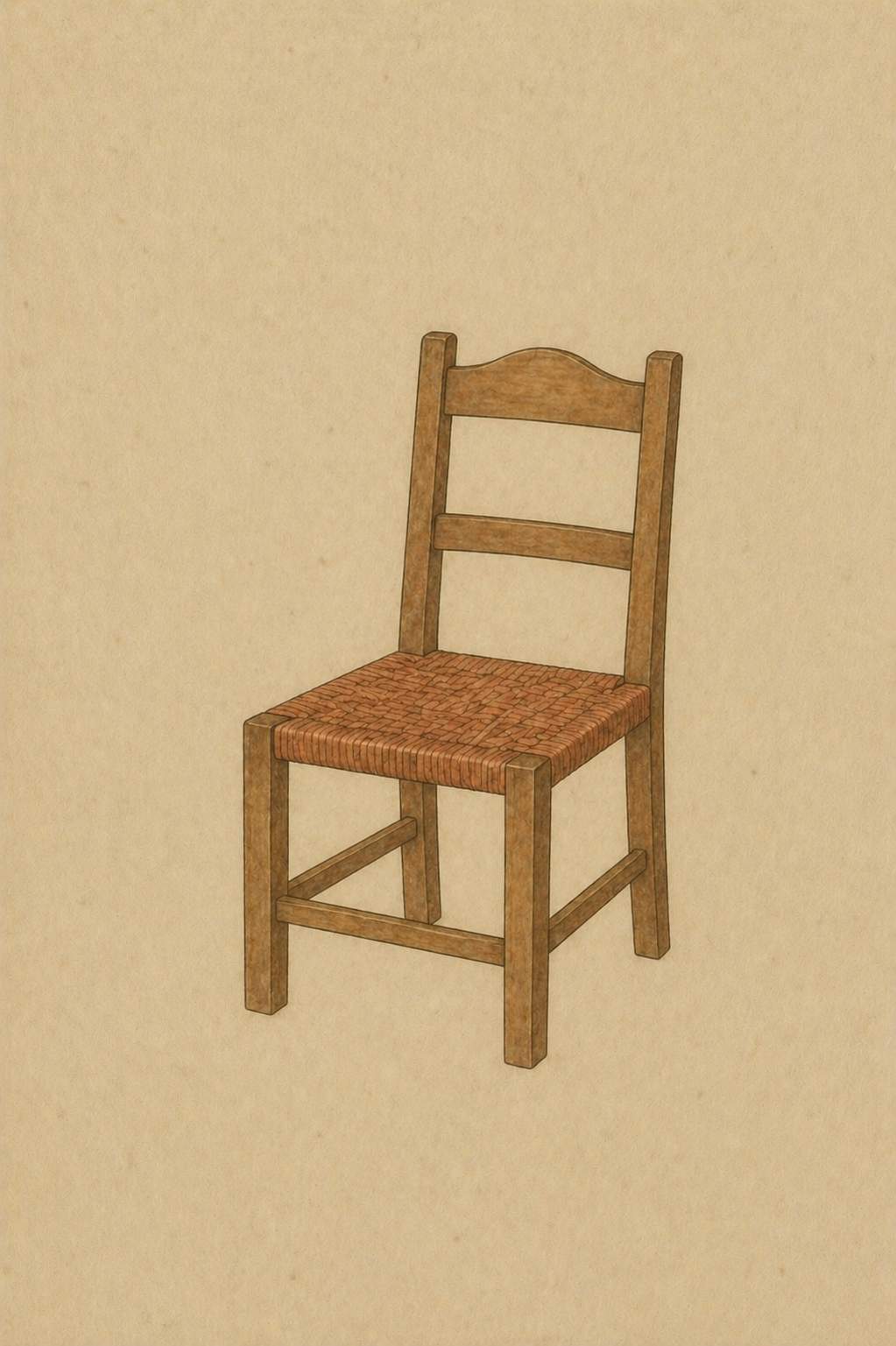
When work begins to expand into everything
Many people notice that work slowly spreads beyond its intended space.
Emails arrive after hours. Messages appear on weekends. Tasks extend into personal time. Over time, the line between work and the rest of life becomes less clear.
This gradual expansion is common in modern workplaces.
Without clear limits, work responsibilities can continue occupying attention long after the workday ends. Boundaries help prevent this expansion by defining when work begins and when recovery can happen.
What boundaries at work actually mean
Work boundaries are limits that help protect time, attention, and energy.
They are not simply rules about working hours. Boundaries also involve decisions about availability, responsibilities, and expectations.
Examples of work boundaries may include:
• defining clear work hours
• limiting work communication during personal time
• clarifying which responsibilities belong to a role
• protecting time for focused work without interruption
• deciding when to say no to additional tasks
These boundaries help maintain a balance between work demands and recovery.
Why boundaries can feel difficult
Many people understand the importance of boundaries but struggle to maintain them.
Several factors can make boundaries difficult at work.
Fear of disappointing others
People may worry that setting limits will affect how colleagues or supervisors perceive them.
Workplace culture
In some environments, long hours and constant availability are treated as normal.
Responsibility and ambition
Highly motivated individuals often want to contribute as much as possible, which can make it difficult to decline additional work.
Unclear expectations
When roles and responsibilities are not clearly defined, work can expand in unpredictable ways.
What happens when boundaries disappear
When boundaries remain unclear for long periods, several patterns may develop.
People may experience:
• difficulty switching off from work after the day ends
• constant monitoring of emails or messages
• reduced time for rest and recovery
• mental fatigue from ongoing responsibility
• increasing frustration or exhaustion
Over time, these patterns can contribute to sustained work stress or burnout.
What people often misunderstand about boundaries
Several beliefs can make work boundaries harder to establish.
Boundaries mean refusing to help others
Healthy boundaries clarify expectations rather than preventing collaboration.
Strong employees should always say yes
Consistently accepting additional work may lead to overload rather than effectiveness.
Boundaries are selfish
Protecting recovery time supports both well-being and long-term productivity.
Boundaries must be rigid
Effective boundaries often allow flexibility while still protecting essential recovery time.
What helps create healthier boundaries
Developing boundaries at work often involves small adjustments rather than dramatic changes.
Helpful approaches may include:
clarifying priorities
Understanding which tasks matter most helps guide decisions about additional responsibilities.
communicating expectations clearly
Discussing workload and availability helps reduce misunderstandings.
creating defined work hours
Consistent start and end times help separate work from recovery.
limiting constant availability
Reducing after-hours communication helps protect time away from work.
When additional support may help
Professional support may be helpful if work boundaries:
feel impossible to maintain
lead to persistent exhaustion
create ongoing conflict or stress
or contribute to symptoms of burnout
Coaches, therapists, and workplace support programs can help people develop strategies for setting boundaries while maintaining professional relationships.
References
Maslach, C., & Leiter, M. P. (2016). Burnout. Wiley.
Sonnentag, S., & Fritz, C. (2015). Recovery from job stress: The stressor–detachment model. Journal of Organizational Behavior, 36(S1).
Lazarus, R. S., & Folkman, S. (1984). Stress, Appraisal, and Coping. Springer.
World Health Organization. (2019). Burn-out an occupational phenomenon.