When work stress begins to linger
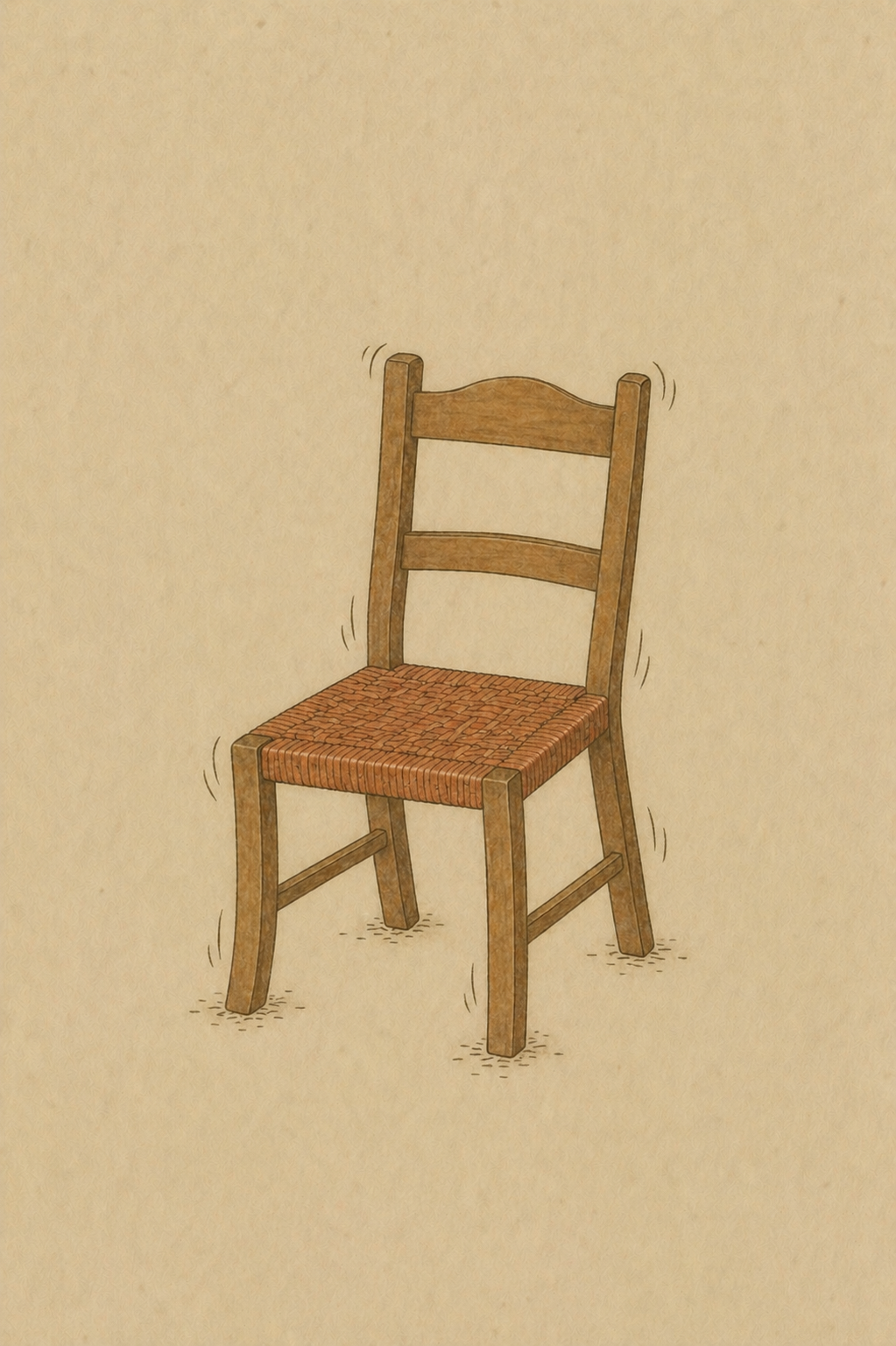
Many people experience short periods of stress at work.
Deadlines, difficult projects, or demanding weeks can create pressure that eventually fades once the situation resolves.
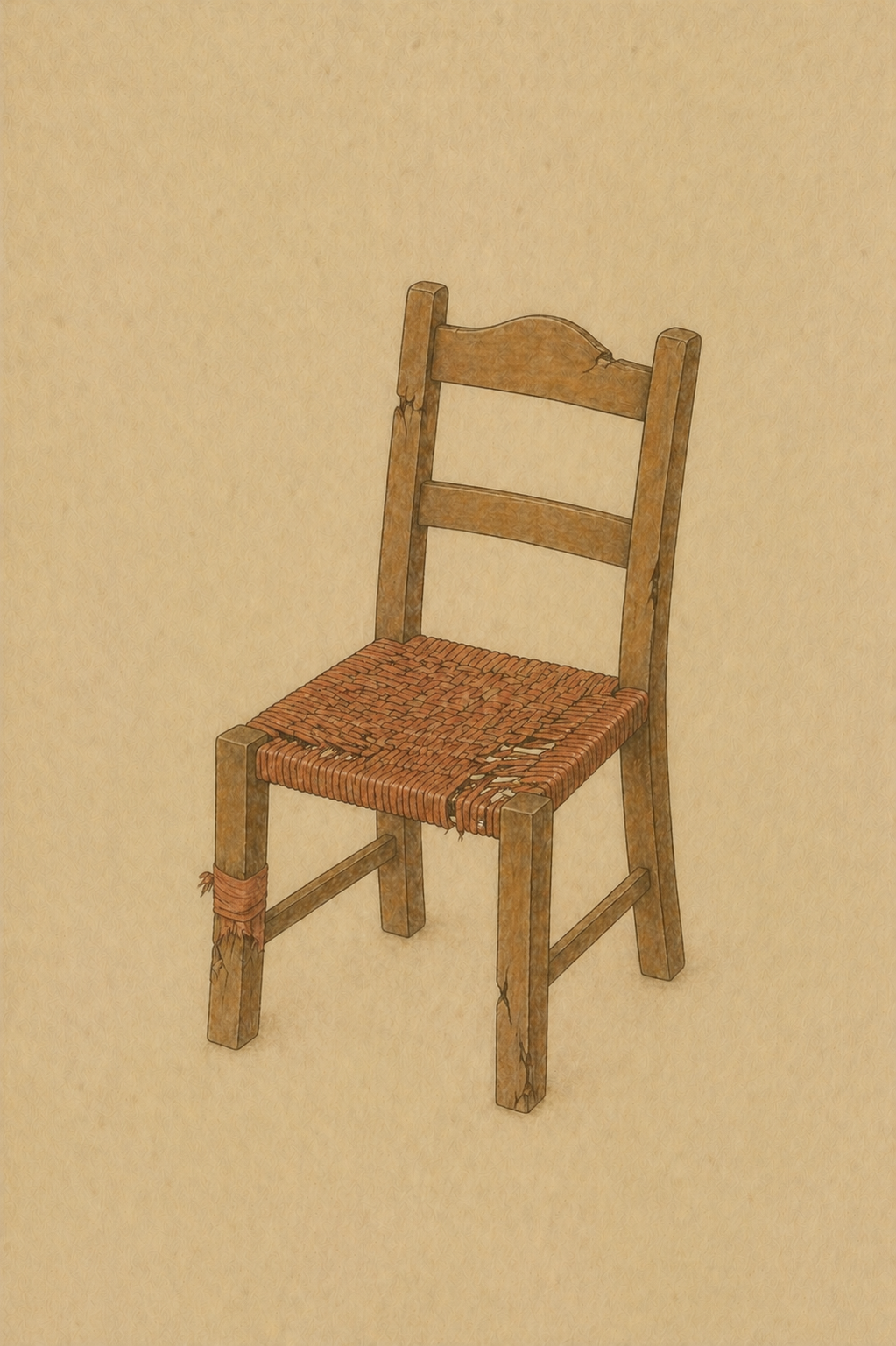
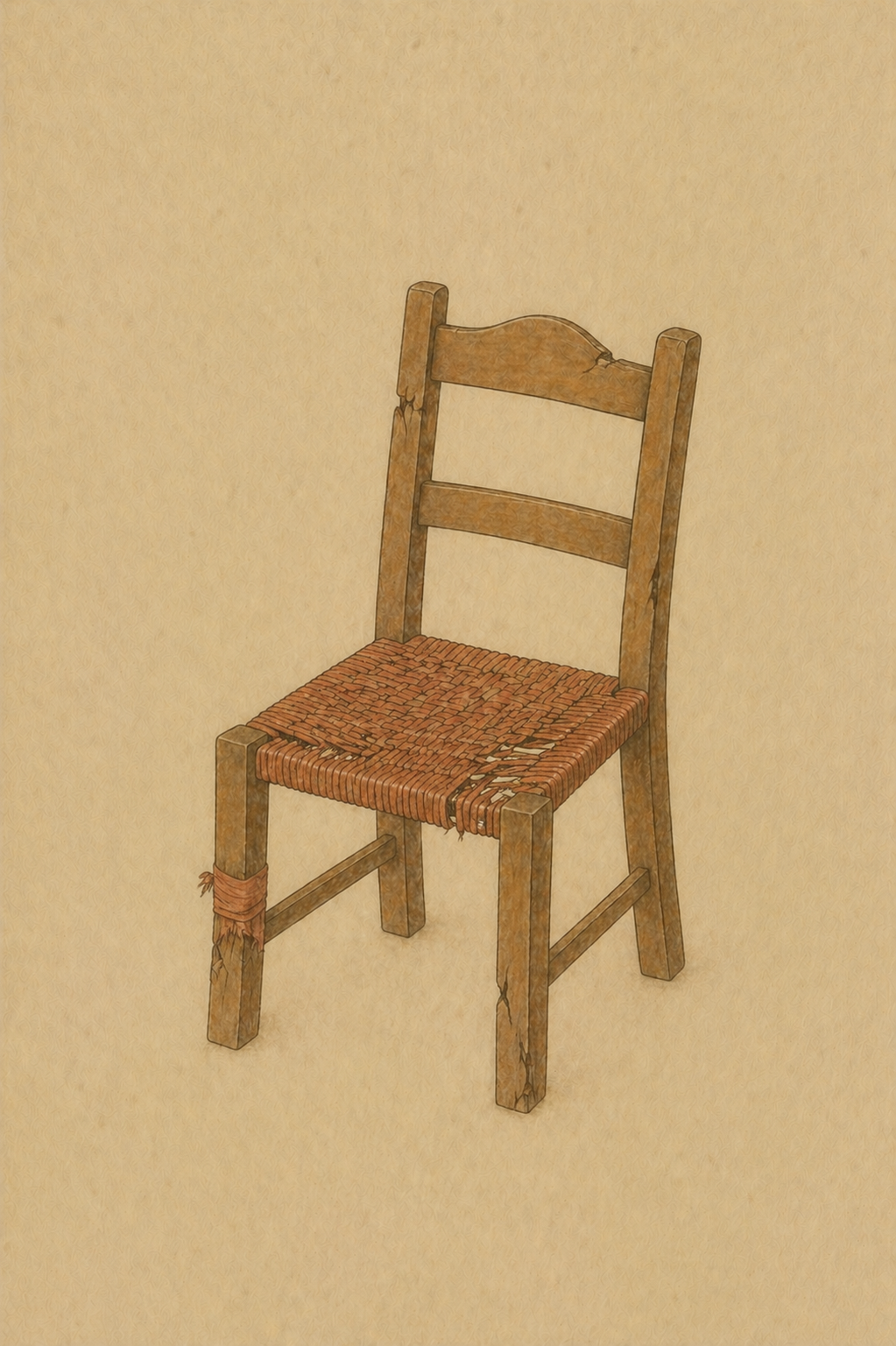
Sometimes, however, work stress continues long after the busy period ends. People may feel mentally drained, irritable, or unable to fully relax even during time away from work.
This lingering stress often happens when the body and mind have not had enough time to recover.
Recovery is not simply the absence of work. It involves restoring the mental and physical systems that sustained stress has strained.
What lingering work stress often feels like
When recovery has not yet happened, people may notice patterns such as:
• feeling tired even after sleeping
• difficulty concentrating or making decisions
• irritability or reduced patience
• losing motivation for work tasks
• feeling mentally distant or detached from work
• difficulty relaxing during time off
These experiences can appear gradually after long periods of pressure.
Why recovery from work stress takes time
Stress activates several systems in the body.
During demanding periods, the nervous system increases alertness, stress hormones rise, and attention becomes highly focused on solving problems.
These responses are useful in short bursts.
When pressure continues for long periods, the body may remain in a heightened state of alertness. Recovery involves allowing these systems to return to baseline.
This process often requires consistent rest rather than a single break.
What real recovery involves
Research on occupational stress suggests that recovery occurs when people experience psychological distance from work.
This means the mind temporarily disengages from work-related concerns.
Several experiences support this process.
mental detachment
Spending time on activities unrelated to work helps the brain shift attention away from ongoing responsibilities.
physical restoration
Sleep, movement, and relaxation allow the body to restore energy.
positive experiences
Enjoyable activities, hobbies, and social connection can help counterbalance stress.
a sense of control
Choosing how to spend time outside work can restore a feeling of autonomy.
Why recovery can feel difficult
People often struggle to recover from work stress for several reasons.
mental carryover
Unfinished tasks or responsibilities may continue occupying attention after work hours.
constant connectivity
Emails, messages, and notifications can keep work present even during personal time.
guilt about resting
Some people feel they should always remain productive.
ongoing pressure
If work demands remain high, the nervous system may not fully relax.
What people often misunderstand about recovery
Certain beliefs can make recovery more difficult.
A weekend should fix everything
After prolonged stress, recovery often takes longer than a few days.
Rest means doing nothing
Recovery can involve active experiences such as exercise, hobbies, or social time.
If I still feel tired, I must be doing something wrong
Fatigue after sustained stress is a normal response.
Productivity should return immediately
Energy and focus often return gradually as recovery continues.
What helps support recovery
People often recover from work stress more effectively when they protect time and activities that restore energy.
Helpful approaches may include:
creating clear work–life boundaries
Reducing work communication during personal time helps protect recovery.
prioritizing sleep and physical restoration
Sleep supports both mental and physical recovery.
reintroducing enjoyable activities
Engaging in hobbies or social connection can restore positive emotional experiences.
gradually adjusting workload
Reducing excessive demands where possible can help stabilize recovery.
When professional support may help
Professional support may be helpful if work stress:
continues for long periods
leads to persistent exhaustion
interferes with sleep or health
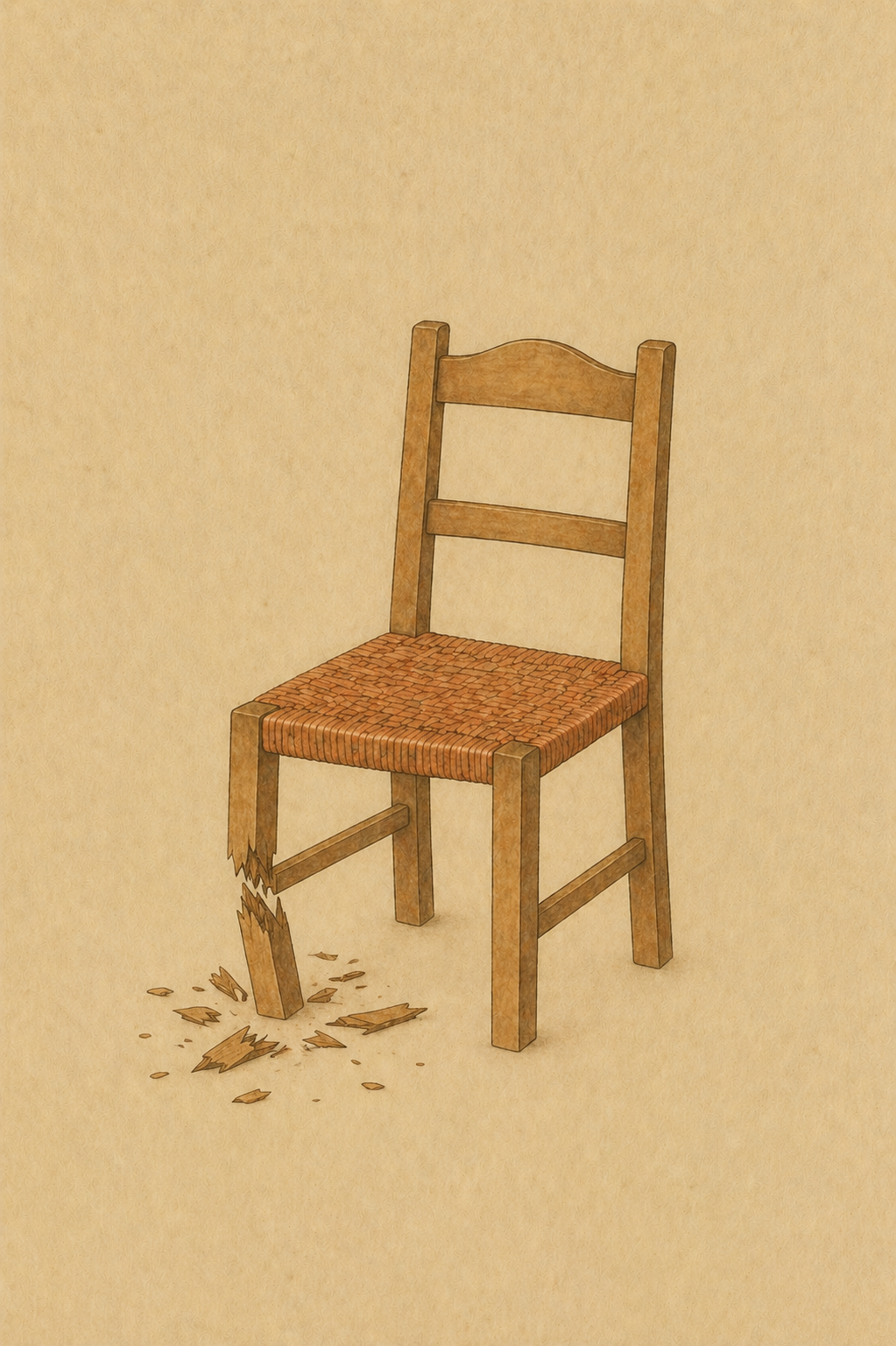
or begins to resemble burnout
Mental health professionals, coaches, and workplace support programs can help individuals develop strategies for recovering from sustained work stress.
References
Maslach, C., & Leiter, M. P. (2016). Burnout. Wiley.
Sonnentag, S., & Fritz, C. (2015). Recovery from job stress: The stressor–detachment model. Journal of Organizational Behavior, 36(S1).
Lazarus, R. S., & Folkman, S. (1984). Stress, Appraisal, and Coping. Springer.
World Health Organization. (2019). Burn-out an occupational phenomenon.