

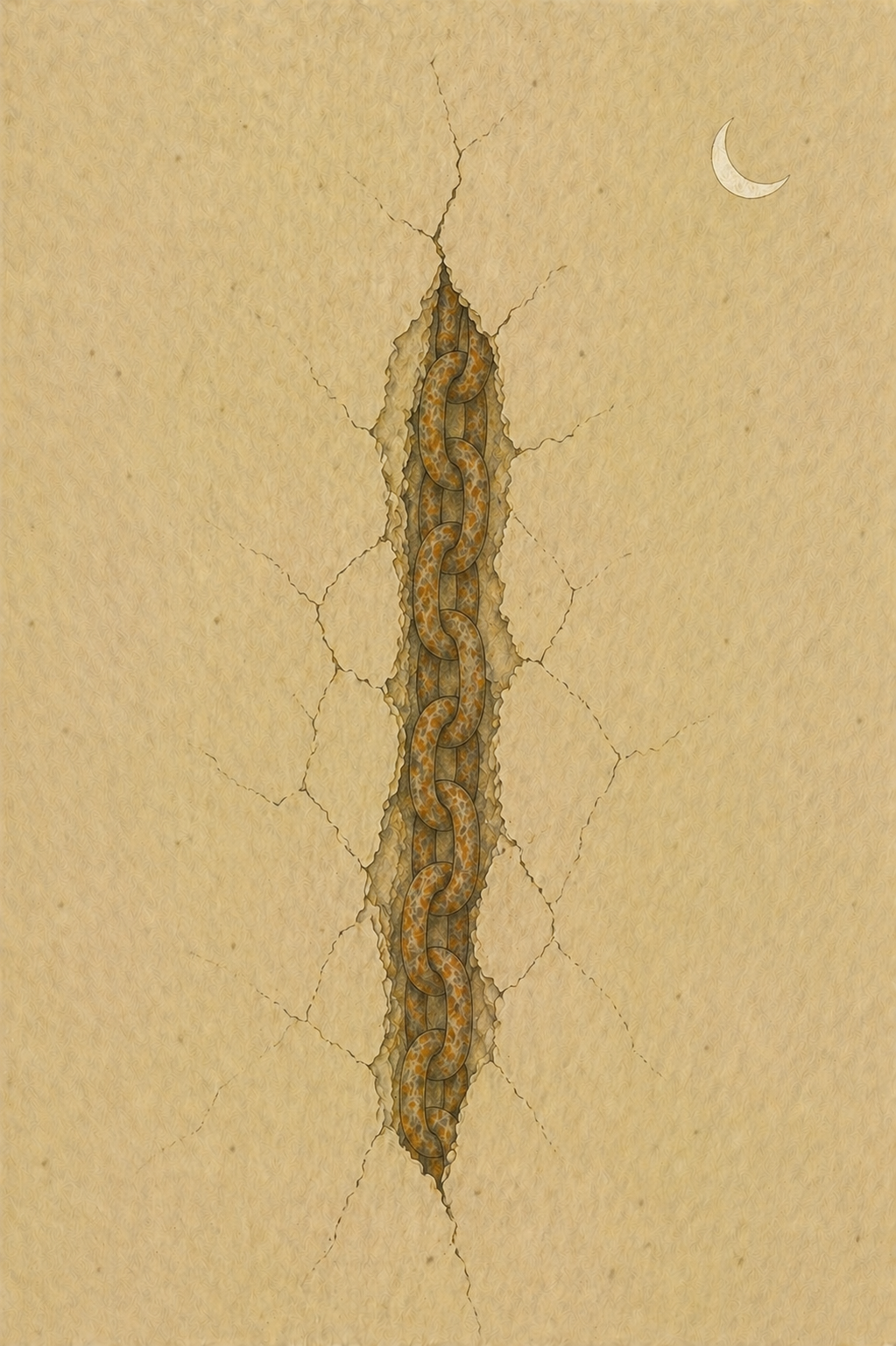
Why anxiety often appears at night
Many people notice that anxiety feels stronger at night.
During the day, attention is often occupied with work, conversations, or daily tasks. The mind has many things to focus on.
But when the day ends and the environment becomes quiet, the mind has fewer distractions. Thoughts that were pushed aside earlier may begin returning.
At the same time, the body is supposed to shift toward rest.
For people experiencing anxiety, this transition can sometimes create tension instead of calm.
Thoughts become louder, worries feel more urgent, and sleep can become difficult.
What anxiety-related sleep problems feel like
When anxiety interferes with sleep, people often notice patterns such as:
• lying awake with racing thoughts
• replaying events from the day
• imagining future problems or worst-case scenarios
• feeling physically tense in bed
• waking frequently during the night
• waking too early and being unable to fall asleep again
• feeling tired but unable to switch off mentally
The experience can become frustrating.
The more someone wants to sleep, the more pressure they may feel, which can make falling asleep even harder.
Why anxiety disrupts sleep
Sleep requires the nervous system to shift into a state of relaxation.
Heart rate slows, breathing becomes deeper, and the mind gradually disengages from active thinking.
Anxiety activates the opposite system.
When the brain believes a threat may be present, the body remains alert. This state of alertness makes it harder for the brain to move into sleep.
Several processes contribute to this pattern.
The nervous system stays activated
Anxiety keeps the stress response active.
When the body is prepared for action, it becomes difficult for the brain to enter the calm state required for sleep.
The mind begins problem solving
Quiet environments give the brain space to think.
If worries are present, the mind may begin analyzing problems or imagining possible scenarios.
The bed becomes associated with worry
When someone spends many nights lying awake with anxious thoughts, the brain can begin associating the bed with stress rather than rest.
This association can make falling asleep harder over time.
The anxiety sleep cycle
Anxiety and sleep problems often reinforce each other.
A simplified version of this cycle may look like this:
- Anxiety makes it difficult to fall asleep.
- Sleep becomes shorter or more restless.
- The body becomes more tired the next day.
- Fatigue makes stress harder to manage.
- Anxiety increases again at night.
Over time this cycle can create ongoing sleep difficulties.
What people often misunderstand about sleep and anxiety
Several beliefs can make sleep-related anxiety more frustrating.
I should be able to force myself to sleep
Sleep is not something the brain can produce through effort.
Trying to force sleep often increases tension.
If I don't sleep well, something is seriously wrong
Occasional sleep problems are common during periods of stress.
Worrying about sleep itself can sometimes make the problem worse.
My mind should stop thinking once I go to bed
Thinking is a natural process.
Expecting the mind to become completely silent can create unrealistic pressure.
Poor sleep means tomorrow will be ruined
Although fatigue can affect mood and concentration, most people can still function reasonably well after a difficult night.
What helps
Improving sleep often involves helping the nervous system shift toward relaxation.
Creating a wind-down period
Allowing time to transition from activity to rest can help the body settle before sleep.
This may involve dim lighting, quiet activities, or limiting stimulating tasks.
Moving worries out of the bedroom
Writing down concerns earlier in the evening can sometimes reduce the urge to analyze them in bed.
Regulating the body
Gentle breathing exercises, stretching, or relaxation practices can help calm the nervous system.
Building consistent sleep patterns
Going to bed and waking up at similar times each day can help stabilize the body's sleep rhythm.
Professional support
When anxiety and sleep problems persist, therapy approaches such as cognitive behavioural therapy for insomnia can help break the cycle.
When professional help may be useful
Professional support may be helpful if sleep problems:
continue for several weeks
interfere with daily functioning
occur alongside strong anxiety or panic
lead to persistent exhaustion
Mental health professionals or sleep specialists can help people understand the relationship between anxiety and sleep and develop effective strategies for improvement.
References
Barlow, D. H. (2002). Anxiety and Its Disorders. Guilford Press.
Morin, C. M., & Espie, C. A. (2003). Insomnia: A Clinical Guide to Assessment and Treatment. Springer.
LeDoux, J. (2015). Anxious: Using the Brain to Understand and Treat Fear and Anxiety. Viking.
Craske, M. G., et al. (2017). Anxiety disorders. Nature Reviews Disease Primers, 3.