When work stress stops feeling temporary
Most people experience stressful periods at work.
A demanding project, a difficult deadline, or a conflict with colleagues can create pressure for a while. In many cases, stress reduces once the situation changes or the workload stabilizes.
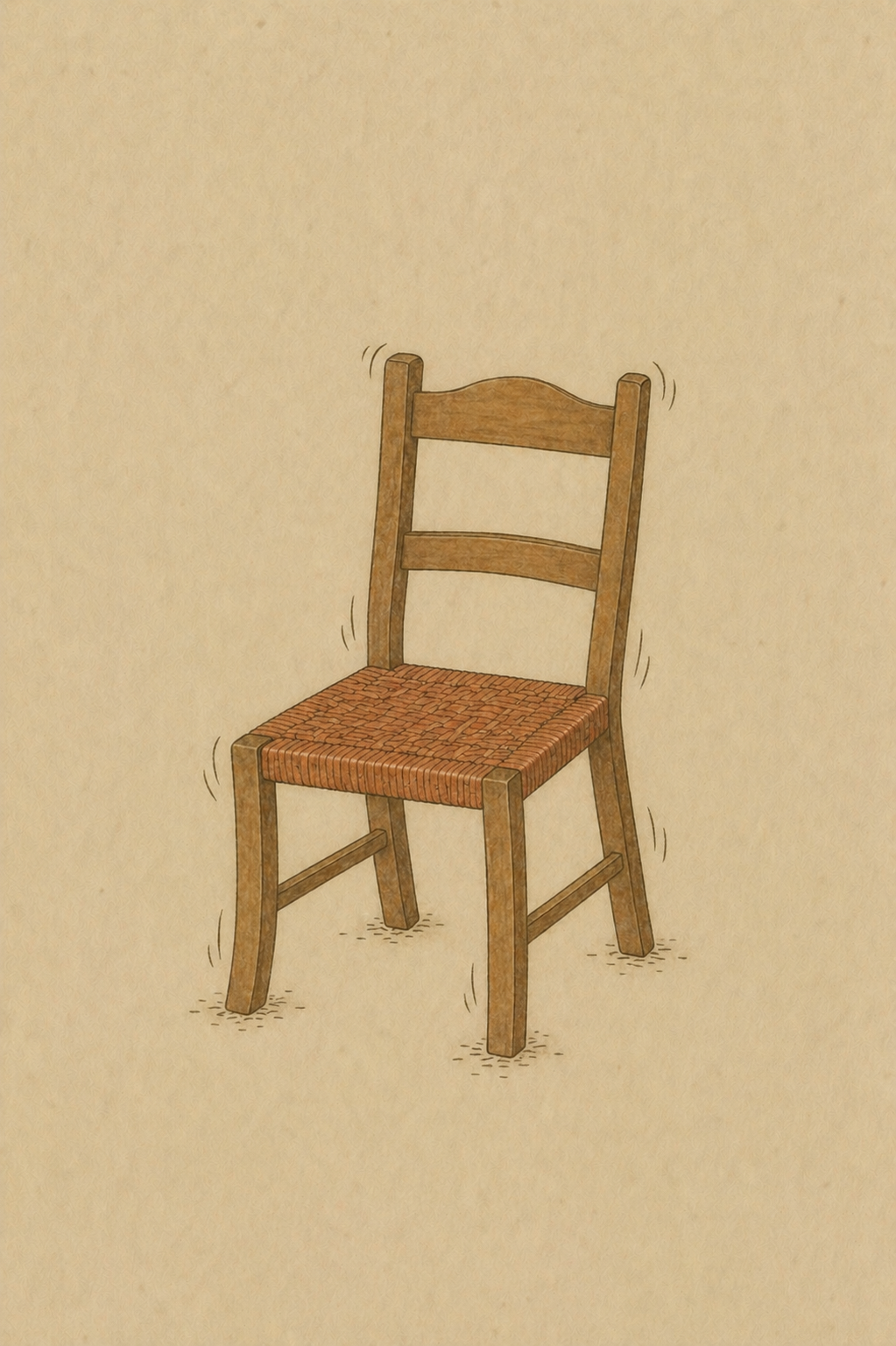
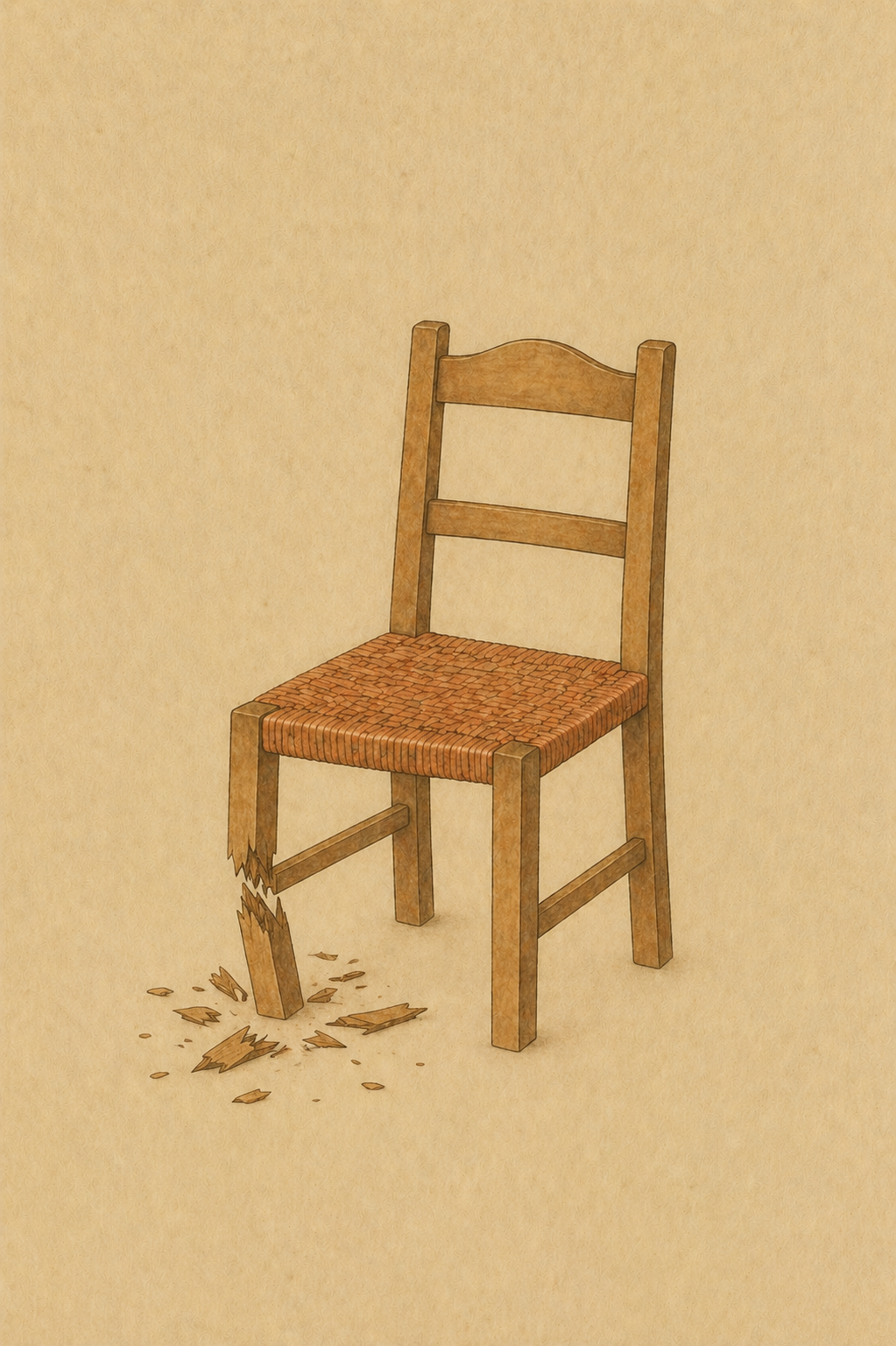
Sometimes, however, work stress continues long after the original pressure has passed.
When stress becomes persistent, it can begin affecting sleep, concentration, mood, and physical health. At this point, additional support can help people understand what is happening and explore ways to reduce the impact of stress.
Seeking support does not mean someone is unable to handle work. It often means the stress has lasted long enough to benefit from structured help.
Signs that work stress may need attention
Work stress can affect people in different ways, but certain patterns suggest it may be time to consider professional support.
These may include:
• constant mental preoccupation with work
• difficulty sleeping because of work-related thoughts
• persistent exhaustion or loss of energy
• irritability or emotional reactivity at work or at home
• loss of motivation or engagement with work
• difficulty concentrating or making decisions
• feeling trapped or overwhelmed by responsibilities
When these experiences continue for weeks or months, they can significantly affect daily functioning.
When work stress affects life outside work
Work stress does not always stay within the workplace.
Over time, it may begin to influence other areas of life, including:
• sleep patterns
• relationships with family or friends
• physical health
• emotional well-being
• ability to relax or enjoy personal time
When stress spreads into these areas, recovery may require more than simply waiting for work conditions to improve.
Types of support that can help
Professional support can take several forms depending on the situation.
therapy or counseling
Mental health professionals can help people understand how work stress is affecting their thoughts, emotions, and habits.
coaching or career guidance
Coaches and career counselors may help people clarify goals, workload expectations, or workplace challenges.
medical evaluation
In some cases, physical symptoms such as fatigue, headaches, or sleep disruption may benefit from medical assessment.
workplace support programs
Many organizations offer employee assistance programs (EAPs) or other forms of workplace support.
What people often misunderstand about seeking help
Some beliefs make people hesitate to reach out for support.
Only severe burnout requires help
Early support can often prevent stress from becoming more severe.
Asking for help means failure
Seeking support is a common and responsible step when stress becomes persistent.
Work stress should be handled alone
External perspective can make it easier to identify patterns that are difficult to see alone.
Things will improve eventually
Sometimes workplace conditions change, but ongoing stress often benefits from active support.
What professional support can offer
Professional guidance can help people:
• understand the patterns maintaining work stress
• develop strategies for managing workload and expectations
• rebuild healthy boundaries between work and personal life
• restore recovery and emotional balance
• explore long-term changes if necessary
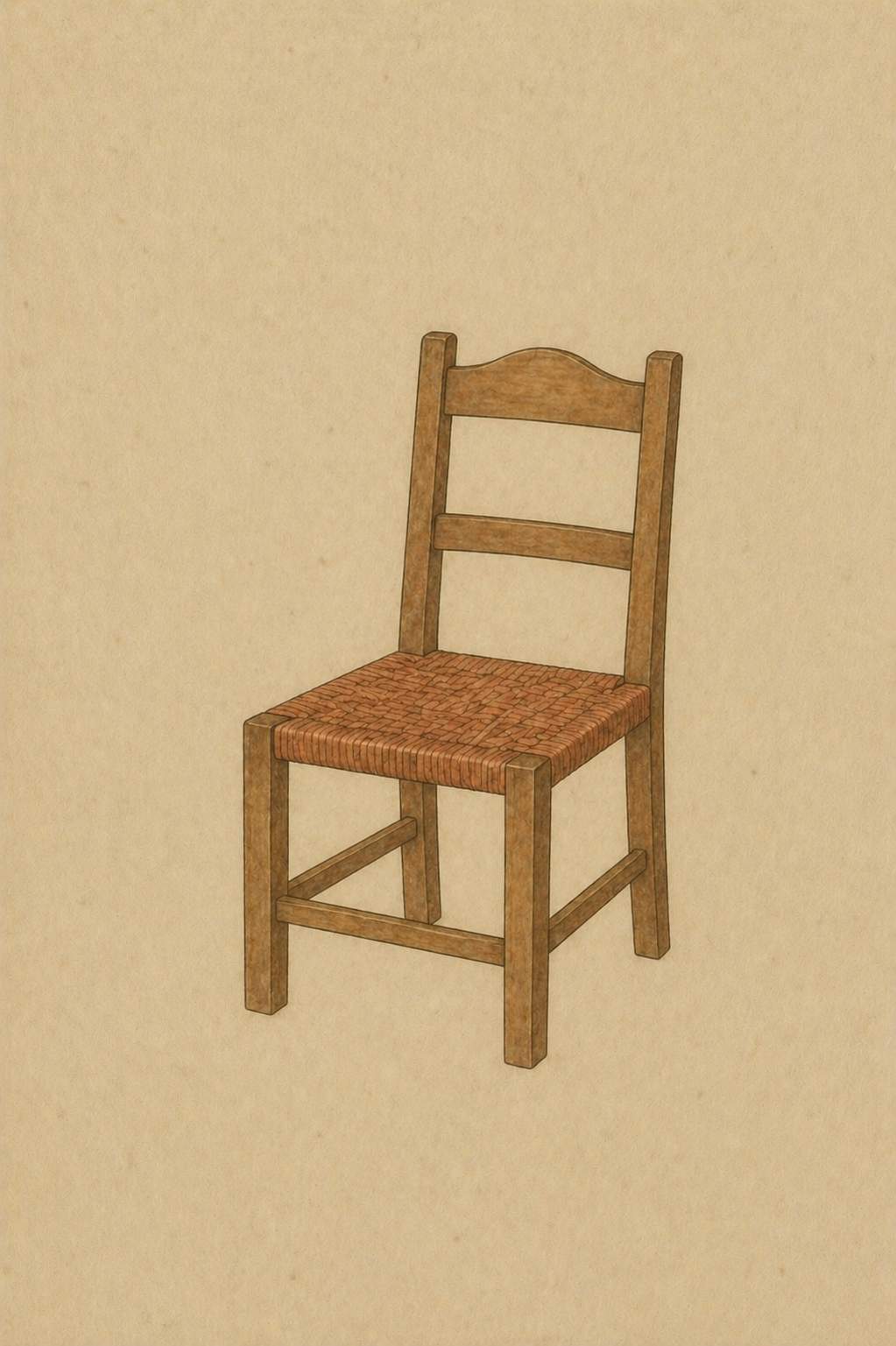
The goal is not only to reduce stress, but to restore a sustainable relationship with work.
References
Maslach, C., & Leiter, M. P. (2016). Burnout. Wiley.
Sonnentag, S., & Fritz, C. (2015). Recovery from job stress: The stressor–detachment model. Journal of Organizational Behavior, 36(S1).
Lazarus, R. S., & Folkman, S. (1984). Stress, Appraisal, and Coping. Springer.
World Health Organization. (2019). Burn-out an occupational phenomenon.