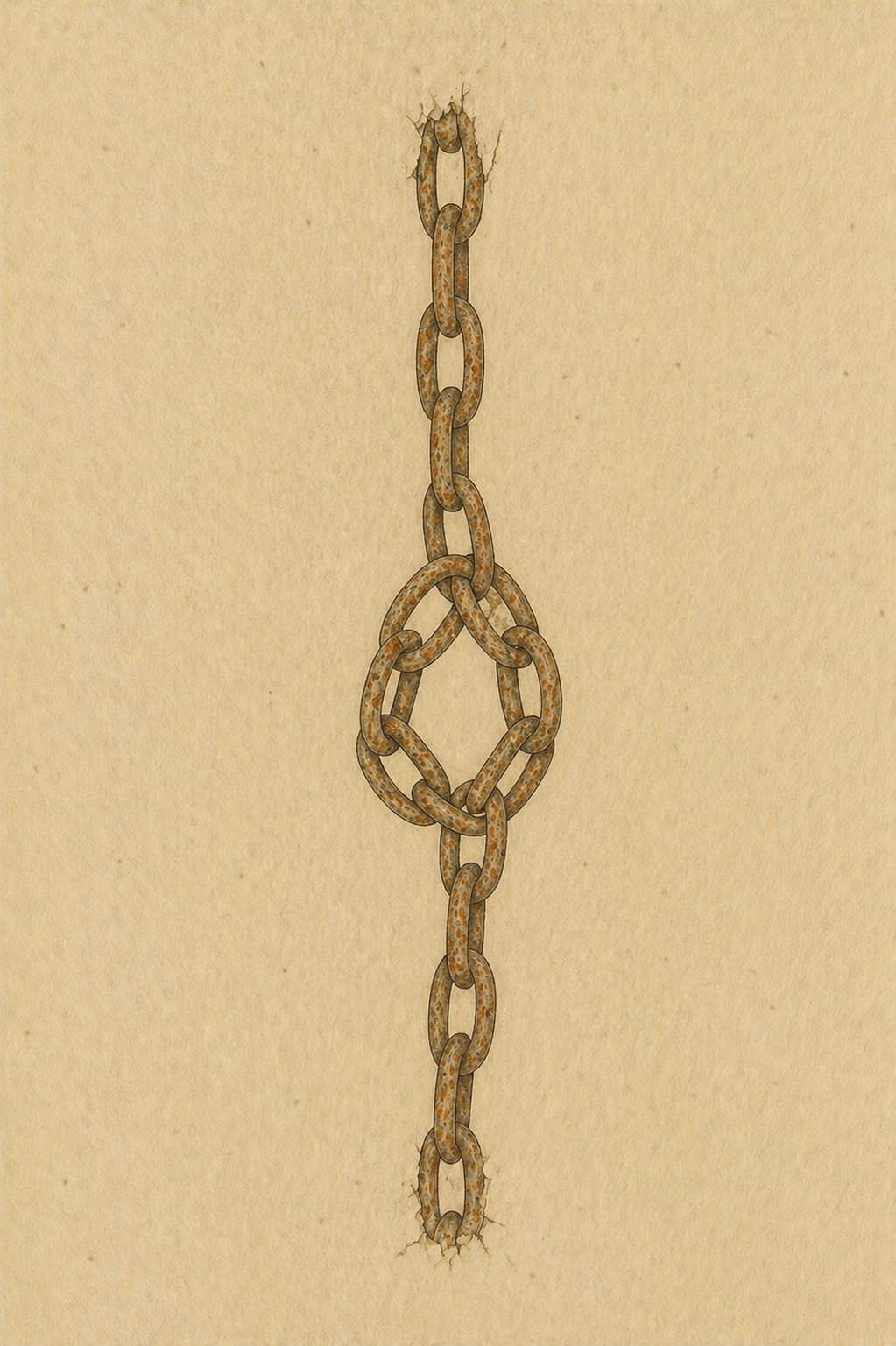
Why anxiety keeps repeating itself
Many people experiencing anxiety notice a frustrating pattern.
The anxiety appears suddenly, the mind begins racing, the body feels tense or uncomfortable, and attempts to escape the feeling sometimes make it stronger rather than weaker.
It can feel as if anxiety is happening randomly or without control.
In reality, anxiety often continues through a repeating cycle involving three connected systems:
• thoughts
• body reactions
• behaviour
These three parts constantly influence each other. When one part of the cycle activates, it often strengthens the others.
Understanding this loop helps explain why anxiety can feel so persistent and why simple reassurance often does not stop it.
What the anxiety loop feels like
When the loop is active, people may notice several things happening at the same time.
Common experiences include:
• worrying thoughts that feel difficult to stop
• physical sensations such as a racing heart or tight chest
• a strong urge to escape or avoid the situation
• temporary relief after avoiding the situation
• anxiety returning the next time the situation appears
The pattern can feel confusing because each part of the experience reinforces the others.
The three parts of the anxiety loop
Anxiety often involves interaction between three systems: the body, the mind, and behaviour.
These systems evolved to help humans detect and respond to threats.
However, when they reinforce each other repeatedly, the cycle can continue even when real danger is not present.
Body: the alarm system
The loop often begins with the body's threat detection system.
When the brain senses possible danger, it activates the stress response. This response prepares the body to react quickly.
Physical changes may include:
• faster heart rate
• shallow breathing
• muscle tension
• stomach discomfort
• heightened alertness
These sensations are meant to prepare the body for action.
However, when they appear unexpectedly, they can feel alarming.
Thoughts: interpreting the alarm
Once the body activates the stress response, the mind begins trying to interpret what is happening.
The brain searches for explanations for the physical sensations.
Thoughts may appear such as:
• something is wrong
• I might lose control
• something bad could happen
• I cannot handle this situation
These thoughts are attempts to make sense of the body's alarm signals.
However, they can increase the perception of danger.
Behaviour: trying to escape the feeling
When anxiety feels intense, people often try to reduce the discomfort quickly.
Common responses include:
• leaving the situation
• avoiding places that trigger anxiety
• seeking reassurance from others
• distracting themselves from the feeling
These behaviours often reduce anxiety in the short term.
However, they can unintentionally strengthen the anxiety loop.
How the loop reinforces itself
The anxiety loop often continues through a repeating pattern.
A simplified version may look like this:
- The body activates the stress response.
- Physical sensations appear.
- The mind interprets the sensations as dangerous.
- Anxiety increases.
- The person avoids or escapes the situation.
- Temporary relief occurs.
- The brain learns that the situation was dangerous.
Because the brain believes avoidance prevented danger, the anxiety response may become stronger the next time the situation appears.
Why the loop can feel uncontrollable
The anxiety loop often feels automatic because several parts of the process occur outside conscious awareness.
The body's threat detection system reacts quickly, sometimes before logical thinking begins.
By the time the mind becomes aware of the anxiety, the body is already activated.
This can make the experience feel sudden or overwhelming.
Understanding the loop helps people see that anxiety is not random. It follows a predictable pattern involving the body, thoughts, and behaviour.
What people often misunderstand about the anxiety loop
Several beliefs can make anxiety feel more confusing.
Anxiety is just overthinking
Thinking plays a role in anxiety, but the process also involves the body's stress response and behavioural patterns.
Avoidance is the safest response
Avoidance often reduces anxiety temporarily, but it can strengthen the brain's belief that the situation is dangerous.
Anxiety should disappear immediately once I calm my thoughts
Because the body is involved in the loop, physical sensations may take time to settle even after thoughts change.
Anxiety means the situation is actually dangerous
The anxiety system is designed to detect possible threats.
Sometimes it activates even when the situation is safe.
What helps interrupt the loop
Breaking the anxiety loop often involves changing one or more parts of the cycle.
Regulating the body
Breathing techniques, grounding exercises, and physical movement can calm the nervous system and reduce the intensity of physical symptoms.
Changing anxious thinking patterns
Therapies such as cognitive behavioural therapy help people identify thoughts that reinforce anxiety and develop alternative responses.
Gradual exposure
Facing feared situations gradually can help the brain learn that they are not actually dangerous.
Over time this reduces the strength of the anxiety response.
When professional help may be useful
Professional support may be helpful if the anxiety loop:
happens frequently
interferes with daily activities
leads to avoiding many situations
causes repeated panic attacks
Mental health professionals can help people understand their anxiety patterns and develop strategies to interrupt the cycle.
References
Barlow, D. H. (2002). Anxiety and Its Disorders. Guilford Press.
Craske, M. G., et al. (2017). Anxiety disorders. Nature Reviews Disease Primers, 3.
LeDoux, J. (2015). Anxious: Using the Brain to Understand and Treat Fear and Anxiety. Viking.
American Psychiatric Association. (2022). Diagnostic and Statistical Manual of Mental Disorders, Fifth Edition, Text Revision.