Burnout usually develops slowly
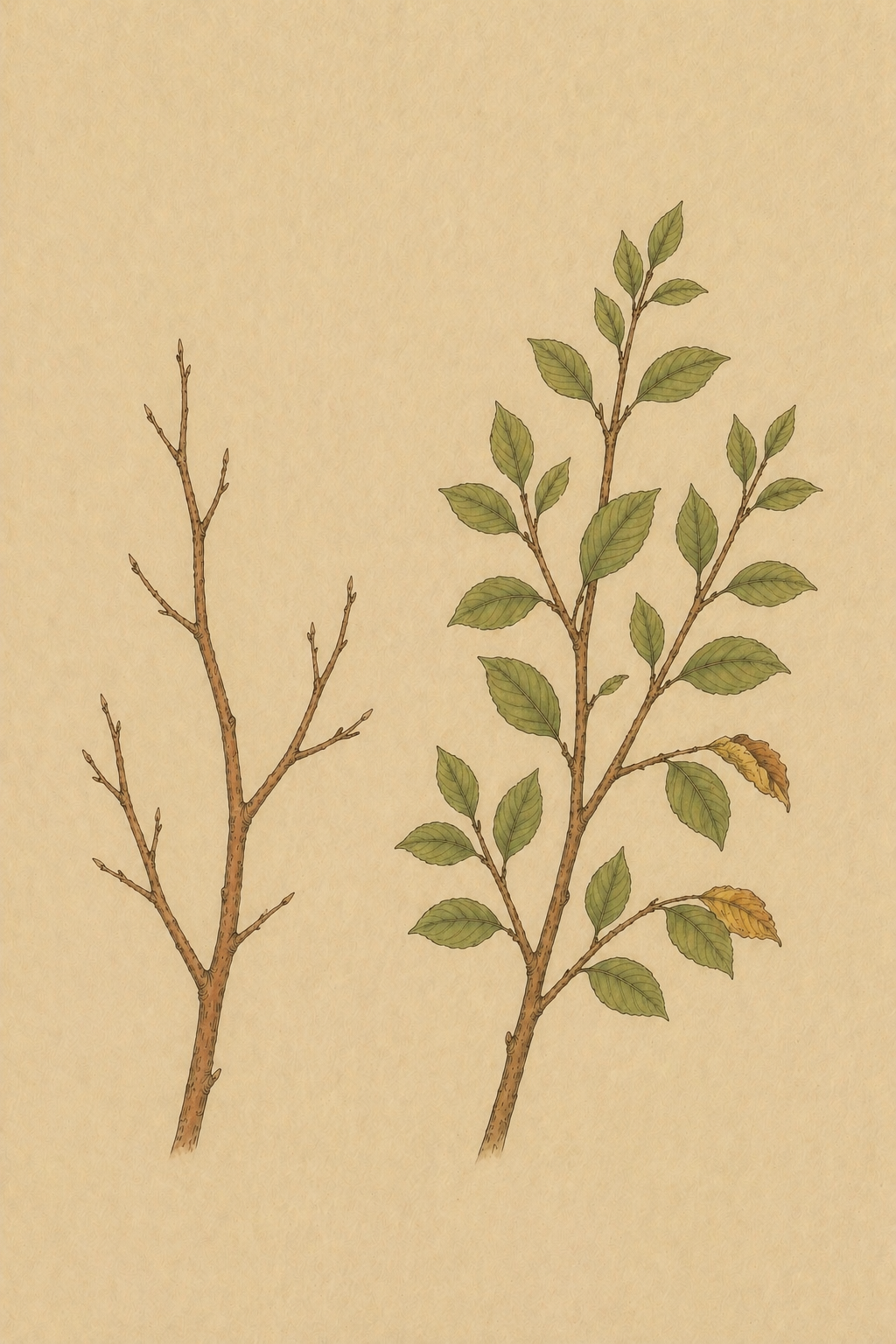
Burnout rarely begins with a sudden collapse.
In most cases it develops gradually over time. The early signs can be subtle, which is why many people do not recognize what is happening until exhaustion becomes severe.
At first the changes may appear as ordinary stress. Work may feel more demanding than usual. Energy may feel slightly lower. Tasks may begin taking more effort than before.
Because these changes happen slowly, people often adapt to them without realizing that something deeper is developing.
Recognizing the early signs of burnout can make it easier to address the problem before exhaustion becomes overwhelming.
What early burnout often feels like
The early stages of burnout usually involve small shifts in energy, motivation, and emotional engagement with work.
People often notice:
• feeling more tired at the end of the workday than usual
• needing more effort to start tasks
• feeling mentally drained after routine responsibilities
• finding it harder to concentrate for long periods
• feeling less enthusiastic about work projects
• becoming more irritable or impatient at work
• struggling to fully disconnect from work during personal time
At this stage people often assume the problem is temporary.
They may believe the workload is unusually high or that they simply need to push through a demanding period.
What early burnout actually is
Early burnout reflects the beginning stages of prolonged workplace stress.
When work demands remain high for extended periods, the body and mind begin adjusting to the ongoing pressure. The stress response may remain active for longer than usual.
Over time this can gradually reduce emotional energy.
In the early phase, people usually continue functioning normally. Productivity may remain high, and responsibilities are still completed.
The difference is that tasks begin requiring more effort than before.
This increase in effort can slowly drain emotional resources if recovery time is limited.
Why early signs are easy to miss
Several factors make the early stages of burnout difficult to recognize.
Stress is often normalized
Many workplaces treat chronic stress as part of the job.
When colleagues and supervisors also appear overwhelmed, early burnout symptoms can seem normal rather than concerning.
Performance often remains high
Many people experiencing early burnout continue performing well.
Because responsibilities are still being completed, the underlying exhaustion may go unnoticed.
Gradual change
Burnout usually develops slowly.
Small changes in energy or motivation may not feel significant at first, especially when they appear over several months.
Personal expectations
Highly motivated people often push themselves to maintain performance even when they feel exhausted.
This effort can mask early signs of burnout.
The early burnout pattern
Early burnout often develops through a gradual cycle.
A simplified version of this pattern may look like this:
- Work demands increase.
- Effort increases to meet expectations.
- Recovery time becomes limited.
- Energy slowly decreases.
- Tasks begin requiring more effort.
- Stress continues to accumulate.
At this stage many people respond by working harder to maintain their performance.
Unfortunately this additional effort can accelerate the exhaustion.
What people often misunderstand about early burnout
Several beliefs can make early burnout harder to recognize.
This is just a busy period
Short periods of intense work are common.
Burnout risk increases when high stress continues without clear periods of recovery.
I just need to work harder
Increasing effort can temporarily maintain productivity but often deepens exhaustion over time.
Everyone feels this way
Many people experience work stress, but persistent exhaustion and loss of motivation may signal something more serious.
Burnout only happens after years of stress
Burnout can develop more quickly when workload, expectations, and recovery time become severely imbalanced.
What helps in the early stages
Addressing burnout early is often easier than recovering from severe exhaustion.
Several steps may help restore balance.
Protecting recovery time
Regular breaks and time away from work responsibilities allow emotional energy to rebuild.
Consistent recovery is often more effective than occasional long breaks.
Monitoring workload
Recognizing when responsibilities exceed sustainable levels can help prevent chronic overload.
Discussing workload with supervisors may help identify adjustments.
Setting clearer boundaries
Limiting after-hours work and protecting personal time can reduce ongoing stress.
Maintaining supportive connections
Talking with colleagues, friends, or mentors about work stress can reduce isolation and provide perspective.
Seeking guidance early
Mental health professionals, career counselors, or occupational health specialists can help people evaluate burnout risk and develop strategies to prevent it from worsening.
When to seek professional help
Professional support may be helpful if early burnout signs:
persist for several months
continue worsening despite rest
begin affecting sleep, mood, or physical health
spread into other areas of life
Early support can sometimes prevent burnout from becoming more severe.
References
Maslach, C., Schaufeli, W. B., & Leiter, M. P. (2001). Job burnout. Annual Review of Psychology, 52, 397–422.
World Health Organization. (2019). Burn-out an occupational phenomenon.
Bakker, A. B., & Demerouti, E. (2017). Job demands–resources theory. Journal of Occupational Health Psychology, 22(3), 273–285.
Aronsson, G., et al. (2017). A systematic review of work environment and burnout symptoms. BMC Public Health, 17.