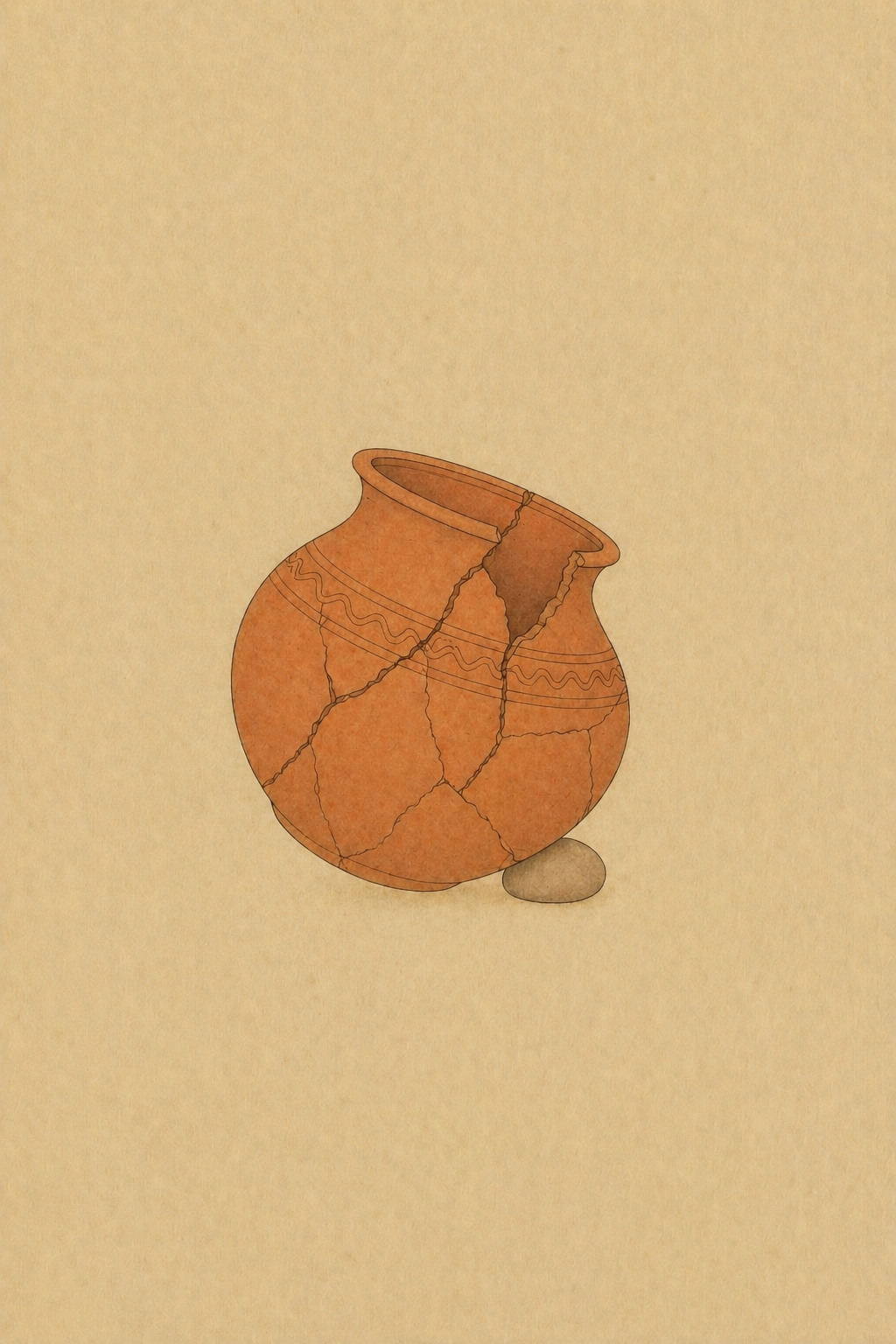

When the world suddenly feels different
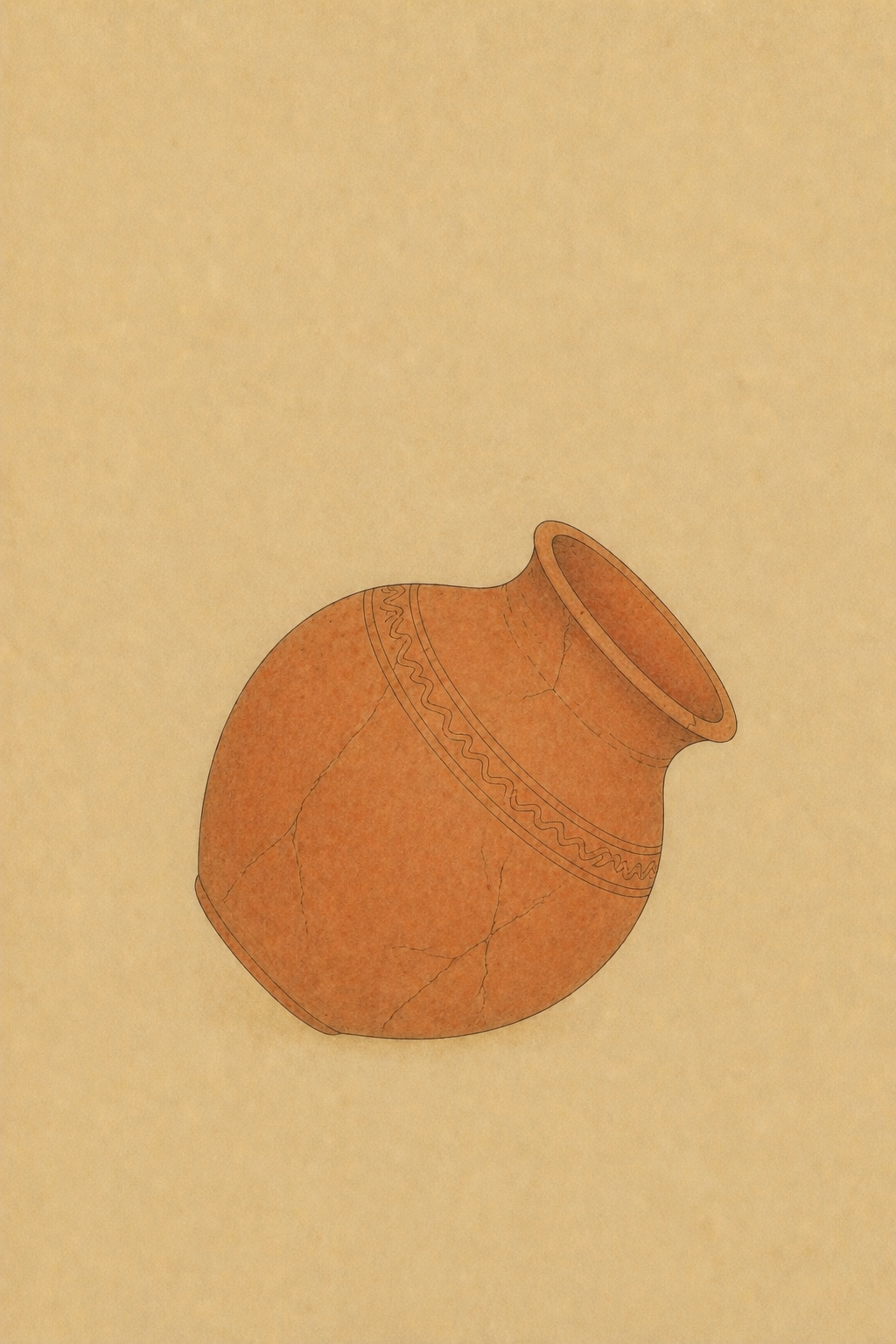
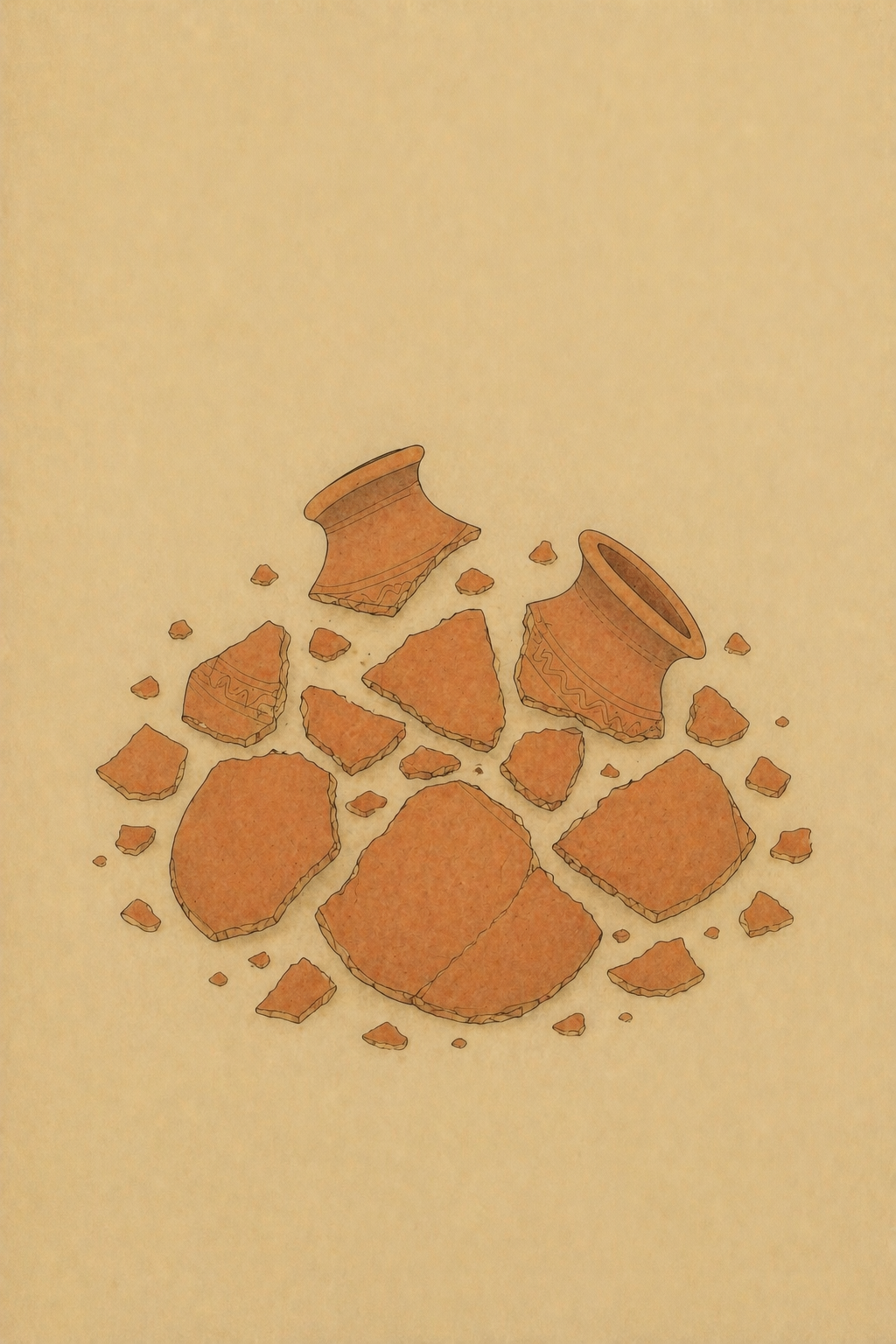
Loss changes the way the world feels.
After someone important is gone, everyday life can start to feel unfamiliar. Places, objects, and routines may carry memories that suddenly feel heavier than they used to.
You may find yourself thinking about the person or situation you lost again and again. Some moments bring strong emotion. Other moments feel strangely quiet or numb.
Many people worry that they are grieving the wrong way. They may expect grief to follow a clear emotional path that gradually moves toward acceptance.
In reality, grief rarely works like that.
Grief tends to move in waves. Understanding this can make the experience feel less confusing and less isolating.
What it feels like
Grief affects emotions, thoughts, and the body. People experience it in different ways, but several patterns are common.
You might notice:
• intense sadness or longing
• sudden emotional waves triggered by reminders
• difficulty concentrating or making decisions
• disrupted sleep or fatigue
• replaying memories of the person or situation you lost
• feeling emotionally numb at times
• questioning whether something could have been done differently
• feeling disconnected from other people
• moments when life feels strangely unreal
Grief can also change over time.
Early grief often feels overwhelming. Later grief may appear as brief moments of sadness that return unexpectedly, sometimes months or years later.
These shifts are part of how the mind gradually adjusts to loss.
What grief actually is
Grief is the mind's response to losing something meaningful.
Most people associate grief with the death of a loved one. But grief can also follow many other kinds of loss, including the end of a relationship, the loss of health, the loss of a career, or major life changes.
Psychologists often describe grief as a process of adaptation.
When someone or something important disappears, the mind must gradually adjust to a new reality. Memories, habits, and expectations built around the lost person or situation do not disappear immediately.
For a period of time the mind continues expecting the person or situation to exist. This mismatch between expectation and reality produces many of the feelings associated with grief.
Over time, most people slowly learn to carry the loss while continuing with life.
Why grief happens
Human beings form strong emotional bonds. These bonds provide safety, identity, and meaning.
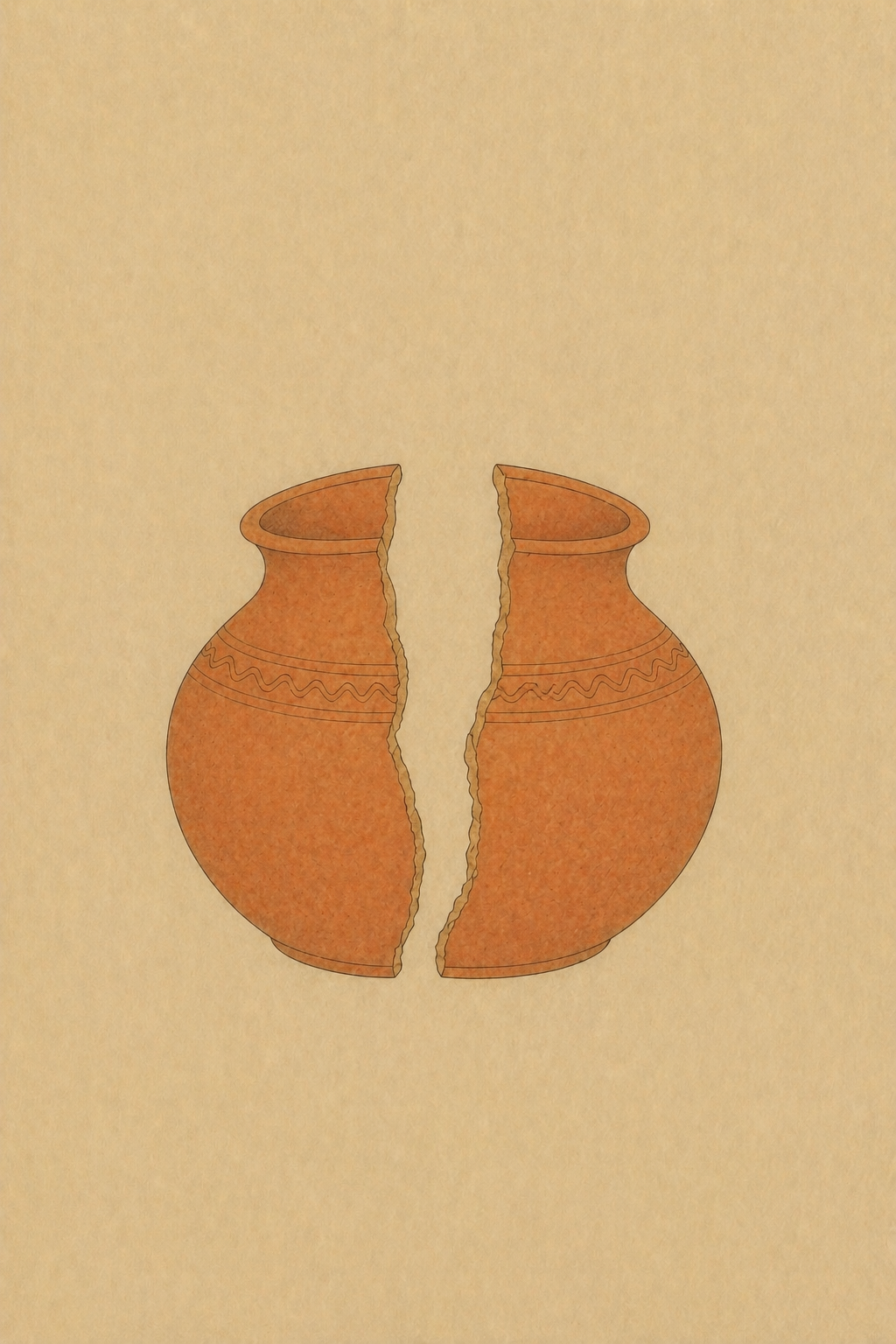
When a bond is broken, the mind struggles to reorganise itself.
Grief reflects that adjustment process.
Memories remain vivid. Daily routines may still include habits connected to the person who was lost. The brain continues searching for something that is no longer present.
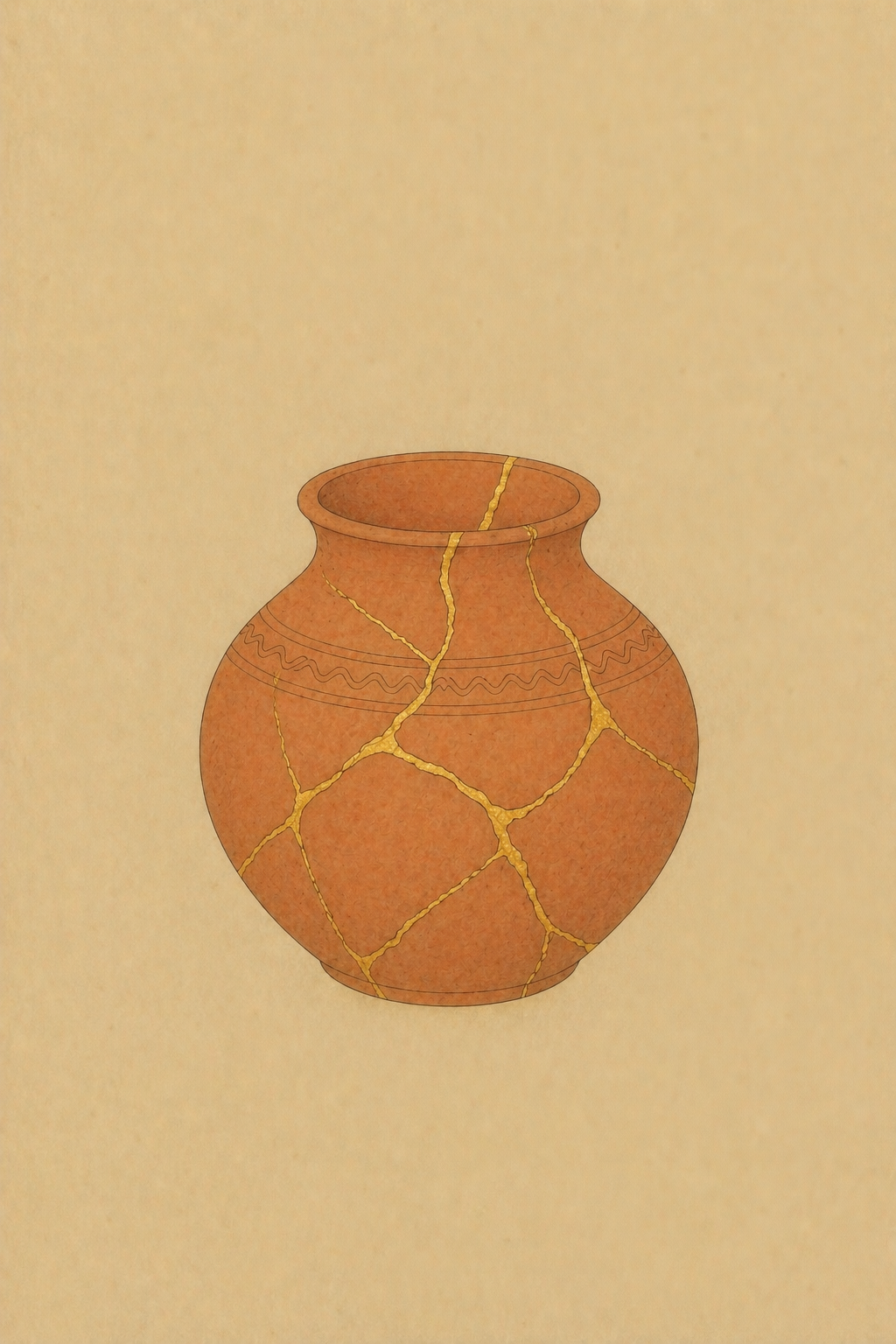
Researchers studying grief often describe it as a gradual shift from acute grief, where emotions are intense and constant, toward integrated grief, where the loss becomes part of a person's life story.
The connection with the lost person does not disappear. Instead it becomes integrated into memory and identity.
This adaptation process takes time and varies widely between individuals.
The grief cycle
Grief often appears in waves rather than as a steady emotional state.
A simplified pattern may look like this:
- A reminder of the loss appears.
- Memories and emotions rise suddenly.
- The mind revisits the relationship or what happened.
- The emotional wave gradually settles.
- Attention returns to everyday life.
These waves may occur many times.
Over time they usually become less intense and less frequent. However they may still appear during anniversaries, meaningful dates, or unexpected reminders.
Understanding this pattern can help people recognise that fluctuations in grief are normal.
What people often misunderstand about grief
Several common beliefs about grief can create confusion or unnecessary pressure.
Grief follows clear stages
Many people have heard about the idea of grief stages. While this model is widely known, research suggests grief rarely follows a fixed sequence.
People experience different emotions in different orders, and many move back and forth between them.
Grief should fade within a certain time
There is no universal timeline for grief.
Some losses take months to adjust to. Others may take years. The intensity of grief often decreases over time, but reminders of the loss may remain meaningful throughout life.
Moving forward means forgetting
Adapting to loss does not mean forgetting the person or experience.
Many people maintain an ongoing emotional connection through memories, traditions, or values associated with the person who died.
Grief should always look like sadness
Some people experience grief mainly as sadness. Others experience it as exhaustion, irritability, or emotional numbness.
There is no single correct way to grieve.
What helps
Grief cannot be rushed, but certain supports can make the adjustment process easier.
Allowing space for grief
Trying to suppress grief often prolongs emotional distress.
Allowing space for memories, emotions, and reflection can help the mind gradually process the loss.
Maintaining supportive relationships
Talking with trusted friends or family members can reduce isolation.
Supportive relationships provide emotional safety during a period that may feel unstable.
Maintaining routines
Daily routines such as regular meals, sleep, and gentle activity can help create stability during a time of emotional disruption.
These routines do not remove grief, but they can support emotional resilience.
Meaningful remembrance
Many people find comfort in remembering the person who died through rituals, storytelling, or personal reflection.
These practices help integrate the loss into ongoing life.
Professional support
Grief counselling or therapy can help people process complicated losses, especially when the circumstances of the loss were sudden or traumatic.
Professional guidance can also help when grief becomes prolonged or overwhelming.
When to seek professional help
Most people gradually adapt to loss with time and support.
Professional help may be helpful if grief:
remains intensely distressing for many months
makes daily functioning difficult
leads to strong feelings of hopelessness
causes persistent withdrawal from relationships or activities
A condition known as prolonged grief disorder can develop when intense grief continues for an extended period and disrupts daily life.
Mental health professionals trained in grief counselling can help people navigate this experience and support the adjustment process.
If grief is accompanied by thoughts of harming yourself or feeling that life is no longer worth living, seek help immediately from a doctor, emergency service, or crisis support line.
You do not have to go through that experience alone.
References
World Health Organization. (2023). Mental health and bereavement.
American Psychiatric Association. (2022). Diagnostic and Statistical Manual of Mental Disorders, Fifth Edition, Text Revision.
Bonanno, G. A. (2009). The Other Side of Sadness: What the New Science of Bereavement Tells Us About Life After Loss. Basic Books.
Shear, M. K. (2015). Complicated grief. New England Journal of Medicine, 372(2), 153–160.
Stroebe, M., & Schut, H. (1999). The dual process model of coping with bereavement. Death Studies, 23(3), 197–224.